










Team marks are trademarks of their owners.
Arvid Lindblad Salary
 Racing Bulls 2026 season
Arvid Lindblad's 2026 Formula 1 pay: a rookie Racing Bulls base salary of $500,000 to $1 million, the lowest on the grid.
2026 base salary
$500k–$1m
- Grid rank
- Joint 21st of 22
- Contract to
- 2026
- Total earnings
- $850k–$1.8m
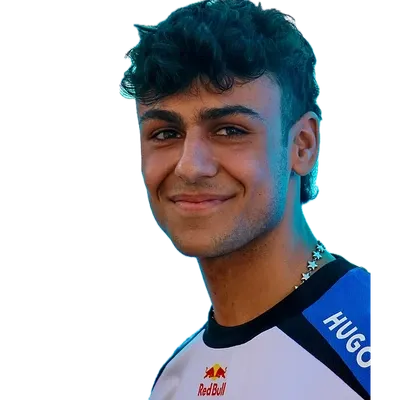

Arvid Lindblad’s 2026 Formula 1 salary consists of a base Racing Bulls contract, performance-based bonuses, and personal sponsorship income. The base salary, estimated between $500,000 and $1 million, serves as the foundation for additional earnings from bonuses and sponsorships. As a rookie in Formula 1, Lindblad’s pay is the lowest on the 2026 grid, reflecting his status as a newcomer without a proven track record. Performance bonuses and personal sponsorships augment his base salary, forming his total annual earnings. Rookie drivers like Lindblad earn far less than Formula 1’s top earners. Five drivers on the 2026 grid command $30 million or more, while Lindblad sits at the bottom of the pay scale at $500,000 to $1 million, according to RacingNews365’s 2026 salary benchmarks, reported by NBC Sports in March 2026. Teams allocate larger budgets to experienced drivers and car development, making entry-level compensation modest. Compared to his teammate Liam Lawson, who earns a higher base salary of around $1 million, Lindblad ranks at the bottom of the grid. The 2026 cost cap excludes driver salaries, allowing teams to adjust compensation freely. Race wins do not yield direct prize money from the FIA, but teams may offer bonuses. Entry-level mechanics and support staff hold the lowest-paying jobs on an F1 team. Beyond his racing income, Lindblad’s net worth includes earnings from junior racing success and brand partnerships outside Racing Bulls. His rookie season salary reflects the standard compensation structure for first-year Formula 1 drivers, positioning him at the start of a potentially lucrative career.
How Much Does Arvid Lindblad Earn in 2026?
Arvid Lindblad earns an estimated annual salary of $500,000 to $1 million in his 2026 Formula 1 season with Racing Bulls. The estimate represents his base salary, excluding performance bonuses and personal sponsorship income. His earnings are influenced mainly by his rookie status and Racing Bulls’ position as a junior team within the Red Bull family. Lindblad is the only rookie on the 2026 grid, and his estimated range sits below the $1 million mark that 20 of the season’s 22 drivers clear. The main factors affecting Lindblad’s salary include his inexperience in Formula 1 and the team’s financial structure. His total earnings potential could increase through performance-based bonuses and personal sponsorship deals that are not included in the base salary figure.
2026 base salary
- 2026 base salary$500k–$1m
Per Grand Prix
$33k
Per point scored
$20k
Per day
$2k
Per hour
$86
At that rate the retainer pays about $1 of salary every minute.
Arvid Lindblad’s Base Racing Bulls Salary
Arvid Lindblad’s base salary with Racing Bulls for the 2026 Formula 1 season is estimated to range between $500,000 and $1 million annually. The estimate places him at the entry level of the Formula 1 pay scale, typical for rookie drivers. Lindblad and Alpine’s Franco Colapinto are the only two drivers on the grid below the $1 million mark, reflecting their status as the newest entries on the 2026 grid and the need for teams to manage costs within budget limits. Lindblad’s base salary serves as the foundational component of his total compensation package, upon which performance bonuses and sponsorship income are added. The tiered compensation structure allows his earnings to increase considerably based on his achievements and marketability during the racing season.
2026 base salary
$500k–$1m
Per year, from Racing Bulls. The entry level of the 2026 pay scale.
Where it sits
Entry level
Typical for a rookie driver.
The only other driver below $1m
Franco Colapinto
The newest entries on the 2026 grid.
Arvid Lindblad’s Racing Bulls Contract Terms
Arvid Lindblad’s Racing Bulls contract for the 2026 Formula 1 season is a one-year agreement. The Racing Bulls contract, confirmed by the team in December 2025 and covered by outlets including Pit Debrief, marks Lindblad’s first full-time Formula 1 engagement. The contract carries an estimated base salary of $500,000 to $1 million, consistent with the 2026 grid’s salary benchmarks. The contract includes performance-based clauses typical of Red Bull’s junior driver program. These clauses allow for salary reviews and potential bonus escalations if Lindblad meets set performance thresholds. The agreement contains exclusivity provisions that bind Lindblad to Red Bull’s athlete management program, restricting conflicting commercial activities.
Contract length
One year
His first full-time Formula 1 engagement.
Confirmed by the team
December 2025
Marking his first full-time F1 engagement.
Exclusivity
Bound to Red Bull
Restricting conflicting commercial activities.
What Bonuses Does Arvid Lindblad Earn on Top of His Base Salary?
Arvid Lindblad’s bonus structure at Racing Bulls consists of performance-based incentives added to his base salary. These bonuses align with the standard Formula 1 performance-incentive structures described by Motor Sport Magazine, focusing on race results and championship standings. Although exact figures are not publicly disclosed, Lindblad’s likely bonus categories are listed below:
- Race Performance Bonuses: Rewards for achieving certain positions in races.
- Points Bonuses: Additional earnings for scoring points in races.
- Championship Standings Bonuses: Incentives based on his position in the championship.
These bonuses serve to motivate competitive performance while remaining a cost Racing Bulls manages independently of the sport’s cost cap, which excludes driver compensation entirely. Lindblad’s bonus package is divided between immediate race-weekend rewards and longer-term championship incentives.
Three bonus categories
Race performance bonuses
Rewards for achieving certain positions in races.
Points bonuses
Additional earnings for scoring points.
Championship standings bonuses
Incentives based on his position in the championship.
Arvid Lindblad Win and Podium Bonuses
Arvid Lindblad’s win and podium bonuses are structured based on Racing Bulls’ performance incentive framework. Although exact figures for Lindblad in 2026 are not publicly disclosed, Racing Bulls’ position as a junior team within the Red Bull group generally means smaller performance budgets than senior stablemate Red Bull Racing. Podium bonuses are estimated to range from $50,000 to $150,000 per podium finish. Race win bonuses may reach between $200,000 and $500,000, reflecting the team’s incentive strategy to reward breakthrough results. These estimates remain speculative, since Formula 1 teams do not publicly disclose individual driver bonus clauses.
Estimated bonus per result
- Per podium finish$50k–$150k
- Per race victory$200k–$500k
Arvid Lindblad Points and Championship Bonuses
Arvid Lindblad’s points and championship bonuses are performance-based incentives linked to championship points and final standings under his Racing Bulls contract. As a rookie driver, Lindblad’s bonuses are structured conservatively compared to veteran drivers, with per-point incentives at midfield teams like Racing Bulls generally estimated in the $10,000 to $25,000 range. The per-point bonus arrangement rewards consistent point-scoring rather than race wins, reflecting the competitive realities faced by midfield teams. Potential season-end bonuses may be awarded for finishing within the top ten of the Drivers’ Championship. Lindblad’s total bonus potential is estimated at a maximum of $150,000 to $300,000, contingent on his performance throughout the season.
Per championship point
$10k–$25k
Generally estimated for midfield teams like Racing Bulls.
Season-end bonus
For a top-ten finish
A potential bonus for finishing in the top ten of the Drivers' Championship.
Total bonus potential, at most
$150k–$300k
Contingent on his performance throughout the season.
Why Is Arvid Lindblad’s Pay the Lowest on the 2026 Grid?
Arvid Lindblad’s pay is the lowest on the 2026 Formula 1 grid mainly because he is a rookie driver entering the championship with no prior F1 race experience. Lindblad’s 2026 base salary of $500,000 to $1 million is the lowest confirmed figure on the grid, with 20 of the 22 drivers reportedly earning $1 million or more and five clearing $30 million. Teams assign rookie salaries based on potential rather than proven performance, creating a natural floor in the pay hierarchy. Racing Bulls, as part of the Red Bull junior team system, focuses on developing young talent rather than paying premium salaries. This approach further constrains Lindblad’s earning potential compared to drivers at top teams like Ferrari or Mercedes. His lack of championship credentials and sponsorship appeal means Racing Bulls assumes minimal financial risk while evaluating his potential for future investment. Data from the same benchmarks show the disparity between Lindblad and top earners like Max Verstappen ($70 million) and Lewis Hamilton ($60 million), illustrating the vast gulf between established champions and debutants. Even mid-tier drivers such as Lando Norris ($30 million) and Charles Leclerc ($34 million) earn considerably more, reflecting their proven track records and commercial value. Lindblad’s position at the base of this hierarchy is a direct result of his rookie status, which places him in the initial phase of a career where performance must precede pay increases.
Against the grid's established earners
 Max Verstappen$70m
 Lewis Hamilton$60m
 Charles Leclerc$34m
 Lando Norris$30m
 Arvid Lindblad$500k–$1m
How Rookie Superlicence Drivers Are Typically Paid
On the 2026 grid, the newest drivers cluster at the bottom of the pay scale. Lindblad and Colapinto are estimated between $500,000 and $1 million, while sophomore drivers Oliver Bearman and Liam Lawson have moved up to roughly $1 million. This tiered entry-level structure reflects their status as newcomers with little experience and a need to prove their capabilities at the sport’s highest level. Rookie contracts include modest performance bonuses tied to achieving set milestones, such as scoring championship points or outperforming teammates in qualifying sessions. These bonuses are capped at five-figure sums, stressing long-term development over single-event success. This compensation model allows teams to manage salary expenditures while evaluating a rookie driver’s potential for future investment.
Rookies and sophomores, base salary
- Rookies
- Arvid Lindblad$500k–$1m
 Franco Colapinto$500k–$1m
- Sophomores
 Oliver Bearman$1m
 Liam Lawson$1m
How Much Does Arvid Lindblad Make From Sponsorships and Endorsements?
Arvid Lindblad earns an estimated $200,000 to $500,000 annually from personal sponsorships and endorsements in 2026, modest compared to veteran Formula 1 drivers. As a rookie driver with Racing Bulls, his sponsorship earnings remain well below the multi-million-dollar endorsements secured by established drivers. The narrow commercial exposure associated with a first-year driver at a junior team contributes to this modest income level, consistent with the pattern for junior-team drivers, whose personal sponsorship terms are rarely disclosed in full. Lindblad’s sponsorship earnings reflect his early career stage in Formula 1, where building a commercial appeal is gradual. His endorsements mainly involve regional sponsors and performance wear brands, which seek to associate with emerging talent at competitive rates. These deals, while modest, add to his total compensation package by complementing his base salary and performance bonuses. As Lindblad’s profile grows through strong race performances, his marketability to sponsors is expected to increase, potentially leading to more lucrative partnerships in future seasons.
Sponsorship income, per year
$200k–$500k
Well below the multi-million-dollar endorsements of established drivers.
Where it comes from
Regional sponsors, performance wear
Brands seeking to associate with emerging talent at competitive rates.
As his profile grows
Expected to increase
Through strong race performances.
Arvid Lindblad’s Major Brand Partnerships
Arvid Lindblad’s 2026 brand partnerships reflect his growing presence in the Formula 1 scene. These partnerships play a key part in building his visibility and supporting his career both on and off the track. The key brands associated with Lindblad are listed below:
- Red Bull: As a primary sponsor, Red Bull supports Lindblad through its Racing Bulls team, stressing its commitment to nurturing emerging talent in motorsports.
- HUGO Eyewear: Lindblad has been featured in HUGO Eyewear’s “Red Means Go” campaign, showcasing his association with the brand’s dynamic image.
- Visa Cash App: Involved in team-related commercial activities, Visa Cash App raises Lindblad’s profile within the Racing Bulls team framework.
These partnerships, while modest for now, contribute to Lindblad’s total earnings and are expected to expand as his career progresses in Formula 1.
Major brand partnerships
 Red BullThe primary sponsor, supporting him through the Racing Bulls team
 HUGO EyewearThe eyewear brand; featured in its "Red Means Go" campaign
 Visa Cash AppInvolved in team-related commercial activities within the Racing Bulls framework
What Is Arvid Lindblad’s Total Annual Earnings?
Arvid Lindblad’s total annual earnings for 2026 are estimated to range between $850,000 and $1.8 million. The total combines his base salary from Racing Bulls, potential performance bonuses, and income from personal sponsorships. His base salary sits within the $500,000 to $1 million range, reflecting his status as a rookie driver in Formula 1. Performance bonuses could add up to approximately $300,000, depending on his success during the racing season, while personal sponsorships contribute a further $200,000 to $500,000. The total earnings figure highlights Lindblad’s entry-level position on the Formula 1 grid, where rookie drivers earn less than their more experienced counterparts. His compensation package, while modest compared to top drivers, provides a foundation for future growth through bonuses and endorsements. As Lindblad progresses in his career, these additional income streams are expected to play a role in growing his total earnings.
2026 total, against the base alone
- Total annual earnings, 2026$850k–$1.8m
- 2026 base salary$500k–$1m
Arvid Lindblad Base Salary vs Bonus vs Sponsorship Breakdown
Arvid Lindblad’s total compensation in the 2026 Formula 1 season can be broken down into key components. The components of his total compensation are listed below:
- Base Racing Bulls Salary: Lindblad’s foundational income is estimated between $500,000 and $1,000,000 annually. This base salary forms the core of his financial package as a rookie driver.
- Performance Bonuses: These bonuses are contingent on Lindblad’s success in races, including factors like points scored, podium finishes, and championship standings. They provide an additional incentive for strong on-track performance.
- Personal Sponsorship and Endorsement Income: Beyond his team salary, Lindblad earns revenue through brand partnerships and commercial endorsements. These deals are negotiated separately from his Racing Bulls contract.
- Total Annual Earnings: The combination of base salary, performance bonuses, and sponsorship income positions Lindblad at the lower end of the 2026 Formula 1 grid earnings. His rookie status and potential for growth in performance and marketability influence this figure.
How the 2026 estimate breaks down
- Base salary$500k–$1m
- Bonuses$300k
- Sponsorships and endorsements$200k–$500k
- Total annual earnings$850k–$1.8m
Why Do F1 Drivers Like Arvid Lindblad Earn Less Than the Grid Average?
Formula 1 drivers like Arvid Lindblad earn less than the grid average due to their status as rookies with little experience. Lindblad’s estimated 2026 salary with Racing Bulls is between $500,000 and $1 million, far lower than the $1 million or more that 20 of the 22 drivers on the grid reportedly earn. The pay disparity exists mainly because rookies lack a proven track record in Formula 1, which limits their negotiating power compared to veteran drivers with championship credentials. Lindblad’s position at Racing Bulls, a team focused on talent development rather than championship contention, further constrains his earning potential. Teams with a developmental focus allocate smaller budgets for driver salaries compared to top teams like Ferrari or Mercedes. Rookie drivers generally have less marketability and commercial appeal, which affects their ability to secure lucrative performance bonuses and sponsorship deals. The salary structure in Formula 1 reflects a broader hierarchy where experience, results, and commercial value dictate earning power. The financial gap between rookies and established drivers sets up a direct comparison between Lindblad and his more experienced teammate Liam Lawson.
Why rookies earn less
No track record
Limits negotiating power compared with veteran drivers.
A developmental team
Racing Bulls focuses on talent development rather than championship contention.
Less marketability
Affects his ability to secure lucrative bonuses and sponsorship deals.
How Does Arvid Lindblad’s Salary Compare to His Racing Bulls Teammate Liam Lawson?
Arvid Lindblad’s 2026 salary is well below his Racing Bulls teammate Liam Lawson’s, reflecting the typical pay gap between rookie and established Formula 1 drivers. Lindblad’s base salary is estimated between $500,000 and $1 million, while Lawson’s compensation is approximately $1 million. The pay gap highlights the standard practice in Formula 1, where experienced drivers earn more due to their proven track records and contributions to the team. The salary difference between Lindblad and Lawson is consistent with industry benchmarks. Rookie drivers like Lindblad generally earn less as they are still proving their capabilities at the highest level of motorsport. In contrast, Lawson benefits from his established status, which allows him to negotiate higher pay and potentially more favorable performance bonuses and sponsorship deals. The comparison between Lindblad and Lawson shows how experience and performance history strongly influence earning potential in Formula 1.
Base salary, 2026
- Liam Lawson$1m
- Arvid Lindblad$500k–$1m
Base Salary: Lindblad vs Lawson
Arvid Lindblad’s base salary at Racing Bulls for the 2026 season ranges from $500,000 to $1 million. The salary range reflects his status as a rookie driver entering Formula 1. In contrast, his teammate Liam Lawson’s base salary is approximately $1 million, per the same benchmarks, indicating his established position within the team. Lawson’s higher salary is attributed to his prior experience and proven track record in competitive F1 races, which justifies Racing Bulls’ investment in his skills. The disparity between their earnings highlights the typical salary structure within Formula 1 teams, where experience and performance history strongly influence financial compensation.
Why Lawson's is higher
Prior F1 experience
A proven track record that justifies the team's investment.
Lindblad's position
Rookie
Still proving his capabilities at the highest level.
Rookie Pay vs Established Teammate Pay at Racing Bulls
At Racing Bulls, the salary structure for rookie drivers like Arvid Lindblad compared to established teammates such as Liam Lawson reflects a typical Formula 1 hierarchy. Arvid Lindblad, a rookie entering his first Formula 1 season, is estimated to earn a base salary between $500,000 and $1 million. Lindblad’s base-salary range places him at the lower end of the salary spectrum within the team. In contrast, Liam Lawson, who has prior F1 race experience, commands a higher base salary of around $1 million, reflecting his established status and negotiating power. The pay disparity between rookies and experienced drivers at Racing Bulls is influenced by several factors. Established drivers bring immediate value through race experience, consistency, and sponsor appeal, justifying their higher compensation. Conversely, rookies are generally seen as investments in future talent, with their lower salaries reflecting their need to prove themselves on the track. The structured pay scale aligns with Racing Bulls’ role as a junior team within the Red Bull racing organization, where nurturing young talent is balanced against rewarding proven performance. The comparison between rookie and established pay at Racing Bulls sets up Lindblad’s position on the full 2026 grid, where he ranks among the lower-paid drivers.
Why established teammates earn more
Immediate value
Race experience, consistency and sponsor appeal.
An investment in potential
Rookies need to prove themselves on the track first.
A balanced scale
Nurturing young talent, balanced against rewarding proven performance.
Where Does Arvid Lindblad Rank Among F1’s Highest-Paid Drivers in 2026?
Arvid Lindblad ranks at the bottom of the 2026 Formula 1 salary grid. As a rookie driver with Racing Bulls, his estimated compensation is between $500,000 and $1 million. His compensation places him far below nearly the entire rest of the grid, where 20 of the 22 drivers reportedly earn $1 million or more and five command $30 million or higher. His earnings reflect his status as an 18-year-old newcomer with little experience in the sport. Lindblad’s position contrasts sharply with top earners like Max Verstappen and Lewis Hamilton, who command annual salaries of $70 million and $60 million, respectively. The disparity illustrates the typical financial trajectory for rookie drivers who have yet to establish themselves at the highest competitive level. Racing Bulls and similar teams generally prioritize development opportunities over substantial financial packages for their less experienced drivers. When compared to the full 2026 grid, Lindblad’s salary aligns him with other rookies and pay drivers, who occupy the lower ranks of F1’s earnings hierarchy. His compensation package, while modest by Formula 1 standards, is consistent with established precedents for drivers beginning their careers, where teams invest in future potential rather than immediate championship-caliber performance.
Position on the grid
Bottom of the pay scale
The lowest confirmed figure on the 2026 grid.
Drivers earning $1m or more
20/22
Out of the 22 full-time drivers.
Age
18
A newcomer with little experience in the sport.
Arvid Lindblad vs the Rest of the 2026 Grid
Arvid Lindblad’s salary in 2026 is far lower than most of his Formula 1 peers. With an estimated base salary between $500,000 and $1 million, Lindblad ranks at the bottom of the pay scale. Top drivers like Max Verstappen earn up to $70 million, while Lewis Hamilton receives around $60 million annually. The stark gap between these figures highlights the financial disparity between rookie drivers and established champions on the grid. Lindblad’s earnings reflect the typical compensation for new entrants lacking proven track records. His Racing Bulls teammate, Liam Lawson, reportedly receives a higher base salary of $1 million. The pay gap further illustrates the earnings gap within the same team, where experience and prior performance heavily influence pay. As a newcomer, Lindblad’s earnings align with the entry-level figures for rookie drivers, demonstrating Formula 1’s financial hierarchy.
Against the rest of the grid
- Max Verstappen$70m
- Lewis Hamilton$60m
- Liam Lawson$1m
- Arvid Lindblad$500k–$1m
More driver salaries
Other drivers on the 2026 grid, with how each compares to Arvid. Open one for their pay history and contract.
- #21 on the 2026 pay scale
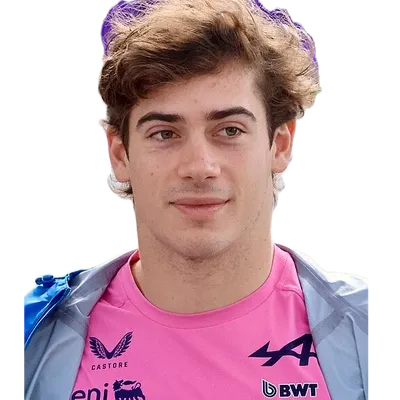 Franco Colapinto
 Alpine$500k–$1mEstimatedRead the profile
- #19 on the 2026 pay scale
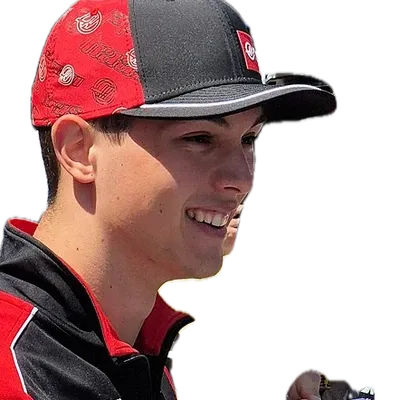 Oliver Bearman
 Haas$1mEstimatedRead the profile
- #19 on the 2026 pay scale
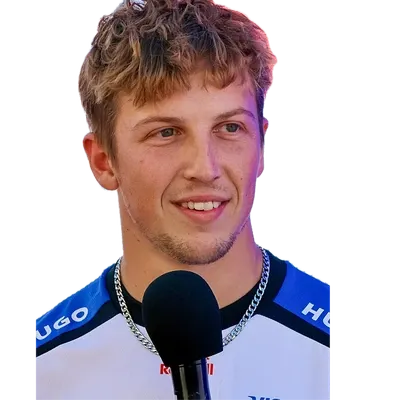 Liam LawsonRacing Bulls$1mEstimatedRead the profile
Photo and logo credits
Openly licensed via Wikimedia Commons; a driver shown with initials has no portrait yet.
- Franco Colapinto: Yu Chu Chin, CC BY-SA 4.0
- Liam Lawson: Yu Chu Chin, CC BY-SA 4.0
- Oliver Bearman: Liauzh, CC BY-SA 4.0
- Hero and alert photos: Press Service of the President of the Republic of Azerbaijan, CC BY 4.0
- Team cars, 2026 Chinese Grand Prix: Liauzh, CC BY 4.0
Trademarks of their owners, shown only to identify each team.
- Racing Bulls: The team’s own logo, via Wikipedia, Trademark of its owner, shown to identify the team
- Alpine: Alpine F1 Team, Public domain (trademarked logo)
- Haas: Haas F1 Team, Public domain (trademarked logo)
Is Arvid Lindblad’s Salary Included in F1’s $215 Million Cost Cap?
No, Arvid Lindblad’s salary is not included in Formula 1’s $215 million cost cap. According to Formula1.com’s official cost cap explainer, published in April 2026 by F1 correspondent Lawrence Barretto, driver salaries, along with the compensation for the three highest-paid team personnel, are explicitly excluded from the budget cap calculations. This exemption allows Racing Bulls to pay Lindblad his rookie wage without it affecting their annual spending limit. The cost cap mainly governs team expenditures related to car development, operations, and most staff salaries. Consequently, Lindblad’s compensation does not count against the regulated spending framework, enabling teams to invest in drivers while following financial restrictions designed to level the competitive playing field.
Counts toward the cap$215m
- Car development
- Team operations
Outside the cap$500k
- Race-driver salaries
- Salaries of a team's three highest-paid personnel
Does Arvid Lindblad Get Prize Money for Race Wins?
No, Arvid Lindblad does not receive prize money directly from Formula 1 for race wins. In Formula 1, prize money is allocated to teams based on their standings in the Constructors’ Championship, not to individual drivers. Drivers like Lindblad earn financial rewards through performance bonuses outlined in their contracts with their teams. These bonuses are negotiated separately and may include incentives for race wins, podium finishes, and points scored. Therefore, any financial gain from a race win for Lindblad would come from Racing Bulls honoring the bonus clauses in his contract, not from direct FIA prize payments.
How F1 prize money flows
- 1
Constructors' Championship
Prize money is allocated to teams based on their standings.
- 2
Not to drivers
Individual drivers do not receive it directly.
- 3
Contract bonuses
Financial rewards come through performance bonuses in his team contract.
- 4
Negotiated separately
May include incentives for wins, podiums and points.
What Is the Lowest-Paying Job on an F1 Team?
The lowest-paying job on a Formula 1 team involves roles such as hospitality staff or junior mechanics. These positions are necessary for team operations but offer lower compensation compared to more specialized roles. Hospitality staff, generally hired as contractors, earn approximately $30 to $35 per hour, providing services like food service and event support during race weekends. Junior mechanics, who are direct team employees, earn annual salaries ranging from $40,000 to $70,000, within the range Flowracers reports for entry-level F1 mechanic roles. These roles require less experience and responsibility, which contributes to their position at the lower end of the pay scale within the F1 team structure.
Hospitality staff, per hour
$30–$35/hr
Generally hired as contractors, for food service and event support.
Junior mechanics, per year
$40k–$70k
Direct team employees, in entry-level roles.
What Is Arvid Lindblad’s Net Worth Beyond His Racing Salary?
Arvid Lindblad’s net worth beyond his racing salary has not been independently verified or published. As a first-year Formula 1 driver, his financial profile remains largely undisclosed, unlike veteran drivers with diversified, publicly documented portfolios. Lindblad’s financial profile builds mainly on his junior-career results in karting, F4, F3, and F2, along with the early endorsement deals outlined above, rather than any disclosed outside investments. This absence of a published figure distinguishes his financial snapshot from his annual Racing Bulls earnings, which analysts have estimated with more confidence.
Net worth beyond racing salary
Not independently verified
Unlike veteran drivers with diversified, publicly documented portfolios.
Built mainly on
Junior-career results
Karting, F4, F3 and F2, plus early endorsement deals.
How Arvid Lindblad Racing Income Differs From Total Net Worth
Racing income for Arvid Lindblad consists of his Formula 1 earnings, including his base salary from Racing Bulls and any performance bonuses. This income is a major component of his financial profile, but it does not cover his entire net worth. Arvid Lindblad’s total net worth includes all assets accumulated over time, such as investments, property, savings, and the value of sponsorship contracts. A driver’s annual racing salary contributes to net worth but does not solely define it, since net worth reflects accumulated assets and sponsorship contract value built up over a career too. As a rookie in 2026, Lindblad’s racing income forms the primary component of his net worth, but as his career progresses, diversified income streams and asset appreciation will increasingly distinguish these two figures.
Income is a flow, net worth is a stock
Racing income
His Formula 1 earnings: base salary from Racing Bulls and any performance bonuses.
Accumulated assets
Investments, property, savings and the value of sponsorship contracts.
Net worth
As his career progresses, diversified income and asset appreciation will increasingly set the two apart.
Which Brands Sponsor Arvid Lindblad Outside of Racing Bulls?
Arvid Lindblad’s publicly confirmed sponsorship activity outside Racing Bulls centers on HUGO Eyewear, with other personal backers from his junior career not independently verifiable in public reporting. The brand confirmed to sponsor Lindblad outside of Racing Bulls is listed below:
- HUGO Eyewear: Lindblad has featured in the HUGO Eyewear Red Means Go campaign, showcasing his appeal in lifestyle and fashion sectors.
This partnership strengthens Lindblad’s visibility beyond the Racing Bulls operation. As he progresses in his rookie season at Racing Bulls, additional personal sponsors may be confirmed, reflecting his potential both on and off the track.
Brands outside Racing Bulls
- HUGO EyewearThe eyewear brand, featured in its "Red Means Go" campaign; other personal backers are not independently verifiable
How Arvid Lindblad’s 2026 Salary Reflects His Rookie Season at Racing Bulls
Arvid Lindblad’s 2026 salary, estimated between $500,000 and $1 million, reflects his status as a rookie Formula 1 driver at Racing Bulls. This salary level is typical for first-year drivers, who generally receive base pay combined with performance-based bonuses. Racing Bulls, as a junior team, allocates its budget conservatively, focusing on developing emerging talent like Lindblad while managing financial constraints. The compensation structure for rookies includes incentives for race performance, such as points and podium finishes, which are designed to motivate and reward promising new drivers. Lindblad’s earnings highlight the narrow bargaining power of newcomers in Formula 1. Without a track record in Grand Prix racing, rookie drivers generally accept foundational contracts with the potential for renegotiation based on performance. This approach allows teams to assess a driver’s potential before committing to higher salaries. His 2026 earnings signify the balance Racing Bulls seeks between nurturing talent and maintaining fiscal responsibility.
2026 base salary
$500k–$1m
Reflects his status as a rookie Formula 1 driver.
Typical for
First-year drivers
Base pay combined with performance-based bonuses.
Arvid Lindblad’s Salary in Context of His First F1 Season
Arvid Lindblad’s 2026 salary reflects the typical earnings for a rookie Formula 1 driver. His base salary with Racing Bulls ranges from $500,000 to $1 million, which is standard for newcomers in the sport. Performance bonuses and personal sponsorships may increase his total earnings to approximately $850,000 to $1.8 million. This compensation places him at the lowest salary tier on the 2026 grid, highlighting the financial challenges faced by rookie drivers compared to their more experienced peers. His total salary package illustrates the initial investment in his potential and development within Formula 1.
His first F1 season, step by step
- 1
A rookie contract
Standard for newcomers in the sport.
- 2
With bonuses
Performance bonuses and personal sponsorships could raise his total.
- 3
The lowest tier
On the 2026 grid, compared with more experienced peers.
- 4
An initial investment
In his potential and development within Formula 1.
Brand logo credits
Trademarks of their owners, shown only to identify each brand.
- Red Bull: Wikipedia
- HUGO Eyewear: Wikimedia Commons
- Visa Cash App: Wikimedia Commons