











Team marks are trademarks of their owners.
Nico Hülkenberg Salary
 Audi 2026 season
Nico Hülkenberg's 2026 Formula 1 pay: a base Audi salary of $7 million, up to $9.9 million with his per-point bonus structure.
2026 base salary
$7m
- Grid rank
- Joint 13th of 22
- Contract to
- 2027
- Total earnings
- $9.9m


Nico Hülkenberg’s 2026 Formula 1 salary from Audi is structured around a base salary of $7 million annually. Hülkenberg’s compensation package includes performance-based bonuses and personal sponsorship deals, reflecting his status as a veteran driver. The base salary serves as the foundational component of his earnings, with bonuses and sponsorship income adding to his total annual figure. His contract features a points bonus structure, offering €50,000 per championship point, raising his earnings when he performs well on the track. In 2025, for example, scoring 51 points added approximately $2.9 million to his base salary, illustrating how performance bonuses can lift his total compensation to around $9.9 million in a strong year. Personal sponsorships further supplement this income, adding to his financial standing beyond the team salary. Throughout his F1 career, Hülkenberg’s salary trajectory has evolved considerably. Starting with Williams, then Force India and Renault, he commanded peak earnings of $10 million in 2019 at Renault. His move from Haas, where he earned $2 million, to Sauber and then Audi marked a sharp salary increase, according to RacingNews365’s report “Hulkenberg set to sign for new F1 team” from April 2024, highlighting his value as an experienced driver. Despite a reduction from his Renault peak, his current salary places him above his Audi teammate Gabriel Bortoleto, who earns $2 million, and positions him in the lower-middle tier of the 2026 F1 grid, according to NBC Sports’s “How much are F1 drivers paid? Here are the reported driver salaries for 2026” (March 2026). Driver salaries are excluded from F1’s cost cap, allowing teams to invest in talent without affecting their budget for technical development. While race wins do not directly result in prize money, drivers benefit from performance bonuses built into their contracts. Beyond his racing salary, Hülkenberg’s estimated net worth is around $10 million, reflecting his career earnings, investments, and endorsements. Brands such as Admin By Request, Gebr. Heinemann, LEGO Germany, and Schuberth sponsor him outside of Audi, with Gebr. Heinemann’s partnership renewed into the 2026 season according to the Moodie Davitt Report, contributing to his financial portfolio. As one of the most experienced drivers in F1, Hülkenberg’s salary reflects his enduring value and experience in the sport.
How Much Does Nico Hülkenberg Earn in 2026?
Nico Hülkenberg’s estimated earnings for 2026 in Formula 1 are approximately $7 million, derived from his base salary with Audi. Hülkenberg’s 2026 earnings are consistent with his previous year’s earnings at Sauber and reflect his status as a veteran driver. His total potential earnings can reach up to $9.9 million when performance bonuses are included, placing him in the lower-middle tier of the 2026 grid’s pay scale. According to F1Salaries.com, Hülkenberg’s compensation package is bolstered by a points bonus structure, which can increase his income based on his on-track performance. The main components of Hülkenberg’s earnings include his base salary, performance bonuses, and personal sponsorships. The base salary serves as the foundation, with additional income generated from bonuses tied to championship points and other performance metrics. Hülkenberg’s full compensation package highlights his value to Audi as a key driver in their F1 program.
Nico Hülkenberg's 2026 earnings
- 2026 total (estimated)$9.9m
- 2026 base salary$7m
Per Grand Prix
$304k
Per point scored
$1m
Per day
$19k
Per hour
$799
At that rate the retainer pays about $13 of salary every minute.
Nico Hülkenberg’s Base Audi Salary
Nico Hülkenberg’s base Audi salary for the 2026 Formula 1 season is $7 million per year. The base salary represents his guaranteed annual compensation from the Audi F1 team, independent of any performance-based bonuses or personal sponsorship income. According to F1 Salaries, this base salary forms the foundation of his total earnings package, upon which additional performance incentives are added. Hülkenberg’s base salary reflects his standing as an experienced driver, providing financial stability while rewarding strong on-track performance. This base salary is expected to remain consistent through the end of his current contract in 2027.
2026 base salary
$7m
His guaranteed annual compensation, independent of bonuses or sponsorship income.
Contract runs through
2027
Expected to remain stable at this level through the end of the deal.
Nico Hülkenberg’s Audi Contract Length and Value
Nico Hülkenberg’s contract with Audi spans three years, extending through the end of the 2027 Formula 1 season. The contract is valued at approximately $21 million, reflecting a consistent annual base salary of $7 million. This agreement reflects Audi’s commitment to securing experienced talent as they transition into Formula 1, with Hülkenberg serving as a cornerstone driver for their team. According to RacingNews365’s report on the April 2024 signing, the agreement made Hülkenberg the first driver signed for Audi’s 2026 factory entry, keeping the base salary stable at $7 million across the deal’s three years.
Contract value
$21m
Across the three-season deal, reflecting a consistent annual base.
Base salary per year
$7m
Stable across all three years of the contract.
Contract signed
April 2024
Made him the first driver signed for Audi's 2026 factory entry.
The three-year Audi deal
- 1
April 2024
Signed as Audi's first official driver for their 2026 factory entry.
- 2
2025
First season of the deal, racing for Sauber ahead of the Audi conversion.
- 3
2026
Audi's works entry debuts in Formula 1.
- 4
2027
Final season of the three-year contract.
What Bonuses Does Nico Hülkenberg Earn on Top of His Base Salary?
Nico Hülkenberg’s compensation at Audi includes a structured bonus system that supplements his base salary. Hülkenberg’s bonus system is mainly performance-based, rewarding achievements such as points scored during the season. According to Grand Prix.com’s report “Hulkenberg’s Audi deal includes lucrative points bonus” (January 2026), Hülkenberg receives a bonus of €50,000 (approximately $57,000) for each World Championship point he earns. This incentive aligns his financial rewards with his competitive performance on the track. In addition to the points bonus, Hülkenberg’s contract is believed to feature other performance-related bonuses, potentially including incentives for race wins and podium finishes, though exact figures for those achievements are not publicly disclosed. The full bonus structure ensures Hülkenberg’s earnings remain closely tied to his success in races, providing strong financial motivation for high performance.
2026 base salary
$7m
His points bonus is layered on top of this base.
Points bonus
$57k
Per World Championship point scored.
Nico Hülkenberg Win and Podium Bonuses
Win and podium bonuses for Nico Hülkenberg have not been publicly disclosed, though his podium finish at the 2025 British Grand Prix would have added an estimated €750,000 under his points-based bonus structure, according to Grand Prix.com. Nico Hülkenberg’s Audi contract includes a structured system for performance-based bonuses. The main incentive in this structure is a points-based bonus, rewarding €50,000 (approximately $57,000) for each World Championship point earned. This points-based system forms the core of his performance incentives, potentially leading to strong earnings if Hülkenberg achieves consistent high finishes.
Points bonus rate
$57k
Win and podium bonuses are not disclosed separately from this per-point structure.
2025 British GP podium, estimated
€750,000
What his podium finish would have added under the points-based structure.
Nico Hülkenberg Points and Championship Bonuses
Nico Hülkenberg’s Audi contract includes a performance-based points bonus system designed to reward consistent scoring throughout the Formula 1 season. Grand Prix.com’s reporting on his Audi deal confirms Hülkenberg earns €50,000 (approximately $57,000) for every championship point he scores. This per-point bonus structure allows strong earnings potential, adding to his base salary with each point. In 2025, when Hülkenberg scored 51 points, this bonus added approximately $2.9 million to his income, illustrating the considerable financial impact of his performance. While exact bonuses for championship positions are not publicly disclosed, the points-based system provides immediate, measurable rewards for every points-scoring finish.
Bonus per championship point
$57k
Rewards every points-scoring finish immediately.
Bonus added in 2025
$2.9m
From scoring 51 championship points that season.
How Much Does Nico Hülkenberg Make From Sponsorships and Endorsements?
Nico Hülkenberg’s personal endorsement income is not broken out in any single public figure, though his active brand roster, renewed into the 2026 season according to the Moodie Davitt Report, confirms a steady secondary income stream. This income serves as an additional revenue stream that complements his base salary and performance bonuses in Formula 1. His endorsement income positions him in the mid-tier among the 2026 grid, reflecting his status as a respected veteran rather than a top-tier marketing icon. Hülkenberg’s sponsorship earnings remain modest next to the far larger personal partnerships held by top earners such as Max Verstappen and Lewis Hamilton. Despite this, his long tenure in the sport and reputation for consistency make him an attractive partner for brands that value reliability. His endorsement portfolio includes partnerships with cybersecurity, travel-retail, toy, and helmet brands, adding incremental value to his total compensation package.
Sponsorship income
Not publicly disclosed
His active brand roster confirms a steady secondary income stream.
Market position
Respected veteran
Rather than a top-tier marketing icon, reflecting his reputation for reliability.
Nico Hülkenberg’s Major Brand Partnerships
Nico Hülkenberg is associated with several prominent brands that add to his income beyond his Audi salary. The partnerships highlight his marketability and appeal in the motorsport world. Below is a list of his key brand collaborations:
- Admin By Request: This cybersecurity company prominently displays its logo on Hülkenberg’s helmet and race suit during the 2026 season, reflecting a renewed partnership.
- Gebr. Heinemann: As a global brand ambassador, Hülkenberg collaborates with this German travel-retail company for airport and travel-retail campaigns.
- LEGO Germany: Hülkenberg partnered with LEGO for Formula 1-related promotional activities, especially during the 2025 season.
- Schuberth: Serving as an ambassador, Hülkenberg uses Schuberth racing helmets during Grand Prix events, reinforcing his association with the German helmet manufacturer.
Major brand partnerships
 Admin By RequestCybersecurity company displaying its logo on his helmet and race suit for 2026.
 Gebr. HeinemannGlobal brand ambassador for the German travel-retail company's airport and travel-retail campaigns.
 LEGO GermanyPartnered for Formula 1-related promotional activities, especially during the 2025 season.
 SchuberthAmbassador for the German helmet manufacturer, using their helmets during Grand Prix events.
What Is Nico Hülkenberg’s Total Annual Earnings?
Nico Hülkenberg’s total annual earnings in 2026 are a combination of his base salary from Audi, performance bonuses, and sponsorship income. His base salary is $7 million, a figure consistent with his previous earnings at Sauber. Performance bonuses add considerably to his income, with a $57,000 bonus for each championship point scored, potentially adding $2.9 million if he scores 51 points, as he did in 2025. Combined, his base salary and bonuses bring his potential total earnings to approximately $9.9 million annually, according to F1Salaries.com, a figure consistent with Spotrac’s base-salary reporting. In addition to his salary and bonuses, Hülkenberg benefits from personal sponsorships, which further add to his income. Sponsorship income matters in Formula 1, where commercial partnerships can noticeably increase a driver’s earnings. Hülkenberg’s financial package reflects a common structure for experienced drivers, where guaranteed salary forms the base, and performance incentives and sponsorships provide additional income. Hülkenberg’s financial structure places him in the mid-tier among the 2026 grid, below top earners but ahead of many rookies.
Total annual earnings, 2026
$9.9m
Combines his base salary from Audi with performance bonuses.
2026 base salary
$7m
Consistent with his previous earnings at Sauber.
Bonus example
$2.9m
What his points bonus added in 2025, scoring 51 points.
Nico Hülkenberg Base Salary vs Bonus vs Sponsorship Breakdown
Nico Hülkenberg’s total annual earnings in Formula 1 are structured through three main components: base salary, performance bonuses, and sponsorship income. Each element contributes distinctly to his financial profile.
- Base Salary: Hülkenberg’s base salary at Audi is $7 million annually. This fixed payment forms the core of his income, guaranteed regardless of performance outcomes.
- Performance Bonuses: Bonuses are mainly based on a points system, offering €50,000 ($57,000) per championship point. In a strong season, this can meaningfully increase his earnings, depending on his race results.
- Sponsorship and Endorsements: Personal sponsorship deals and endorsements add an extra layer to his income. Although exact figures are not publicly disclosed, those deals meaningfully augment his total earnings beyond his base salary and bonuses.
Base salary
$7m
Fixed and guaranteed regardless of performance outcomes.
Performance bonus, per point
$57k
Can meaningfully increase his earnings in a strong season.
Sponsorships and endorsements
Not publicly disclosed
Those deals meaningfully augment his total earnings.
How Has Nico Hülkenberg’s Salary Changed Across His Long F1 Career?
Nico Hülkenberg’s salary trajectory in Formula 1 has seen considerable fluctuations, reflecting his evolving market value and team affiliations. His earnings peaked at $10 million annually during his tenure with Renault in 2019, according to F1Salaries.com’s career breakdown, marking the height of his career remuneration. After leaving Renault, Hülkenberg experienced a steep pay cut, earning approximately $2 million per season with Haas during the 2023-2024 seasons, as reported by PlanetF1. This reduction highlighted the challenges of maintaining high earnings when transitioning teams or roles within Formula 1. Hülkenberg’s move to Audi marked a recovery phase in his salary, with a base salary of $7 million annually starting in 2025. This increase positioned him in the mid-tier of the 2026 grid, demonstrating the continued value placed on his experience and consistency. The progression from his early years at Force India, through his peak at Renault, and subsequent recovery at Audi illustrates the dynamic nature of F1 salaries, influenced by team budgets, driver performance, and market conditions.
Base salary and total earnings by year
- Base salary
- 2026 estimated total range
Nico Hülkenberg’s Early Career at Force India and Renault
Nico Hülkenberg made his Formula 1 debut with Williams in 2010, taking pole position at the Brazilian Grand Prix in his rookie season, according to his Wikipedia biography. He then joined Force India in 2011 as a reserve driver before securing a full-time race seat in 2012. During his time with Force India, he earned an annual salary estimated between $4.4 million and $5.3 million, according to Spotrac’s year-by-year salary data, reflecting the standard compensation for drivers in midfield teams, which prioritize car development over driver salaries. In 2013, Hülkenberg moved to Sauber for a single season before returning to Force India from 2014 to 2016. His consistent performances and growing reputation led to a lucrative move to Renault in 2017. At Renault, his salary increased sharply, with reports suggesting earnings of up to $10 million per year by 2019. This progression highlighted Hülkenberg’s standing as a veteran driver capable of delivering strong results, laying a solid foundation for his subsequent transitions to Haas and Audi.
Force India-era annual salary
$4.4m–$5.3m
Standard compensation for drivers at midfield teams.
F1 debut with Williams
2010
Took pole position at the Brazilian Grand Prix in his rookie season.
Nico Hülkenberg’s Move From Haas to Audi
Nico Hülkenberg’s transition from Haas to Sauber for the 2025 season, ahead of that team’s planned conversion into Audi’s works entry for 2026, marked a notable career advancement. At Haas, Hülkenberg earned approximately $2 million annually, according to PlanetF1. His move to Sauber, and subsequently Audi, came with a sizable salary increase, securing a three-year contract valued at $21 million, translating to a $7 million annual base salary, as confirmed by RacingNews365’s report on the April 2024 signing. This increase reflects Audi’s strategy to draw on Hülkenberg’s wide-ranging experience and technical skill to build their inaugural Formula 1 team. The decision to sign Hülkenberg as Audi’s first official driver reflects the manufacturer’s commitment to pairing veteran experience with their ambitious F1 entry. Audi’s choice highlights the weight placed on Hülkenberg’s ability to provide key feedback and guide the team’s technical development. This strategic move from a midfield team to a manufacturer-backed operation illustrates why veteran drivers like Hülkenberg command strong salaries, as their experience and consistency are strong assets.
From Haas to Audi
- 1
Haas chapter ends
His lowest-paid seasons in recent years, at approximately $2m annually.
- 2
Sauber transition
Signed for the 2025 season, ahead of the team's planned conversion into Audi.
- 3
Audi's first driver
Chosen to pair veteran experience with the manufacturer's ambitious F1 entry.
Why Does a Veteran Driver Like Nico Hülkenberg Still Command a Strong Salary?
Nico Hülkenberg’s wide-ranging experience in Formula 1 justifies his strong salary, especially with Audi. His career, spanning over 265 Grand Prix entries, provides useful knowledge of car development and team strategy. Hülkenberg’s technical feedback, honed at teams like Williams, Force India, and Renault, is key for Audi as they transition into a full works manufacturer. This feedback allows Audi to optimize car setups and development directions, reducing costly errors and improving performance. Hülkenberg’s ability to consistently score points and his reputation as a reliable driver further add to his value. Teams investing heavily in Formula 1 programs understand that a veteran’s salary premium yields returns through reduced testing time and faster data correlation. His leadership stabilizes team dynamics, providing a benchmark for younger teammates like Gabriel Bortoleto. Hülkenberg’s career base pay of approximately $57.99 million ranks 11th-highest among the 2026 grid, according to F1Salaries.com, reflecting the sustained market valuation of his skills across multiple regulatory eras. Hülkenberg’s professionalism and strong relationships with sponsors and media add to his appeal. Unlike younger drivers, he requires minimal management oversight, allowing Audi to focus resources on car development. His $7 million salary is thus viewed as a strategic investment rather than a pure performance cost, especially when compared to his rookie teammate Gabriel Bortoleto’s compensation structure.
Grand Prix entries
265+
A career spanning multiple regulatory eras.
Career base pay
$58m
Ranks 11th-highest among the 2026 grid.
Why his experience commands a premium
Technical feedback
Honed at Williams, Force India and Renault, key for Audi's transition to a full works manufacturer.
Reduced testing time
A veteran's salary premium yields returns through faster data correlation.
Team leadership
Stabilizes team dynamics, providing a benchmark for younger teammates.
How Does Nico Hülkenberg’s Salary Compare to His Audi Teammate Gabriel Bortoleto?
Nico Hülkenberg’s salary in 2026 is considerably higher than that of his Audi teammate Gabriel Bortoleto. Hülkenberg earns a base salary of $7 million, according to F1Salaries.com, which is more than three times Bortoleto’s $2 million base salary, as reported by Brazilian outlet BNews. This disparity reflects the common Formula 1 practice of investing more in experienced drivers like Hülkenberg, who bring wide-ranging knowledge and leadership to the team. Bortoleto, as a younger and less experienced driver, earns a lower base salary but has the potential to increase his earnings through performance bonuses. Both drivers have similar performance-based bonus structures, earning approximately €50,000 ($57,000) per championship point scored. Despite this, Hülkenberg’s total potential earnings are higher due to his large base salary and additional income from personal sponsorships and endorsements. This compensation strategy allows Audi to balance their driver budget by securing proven talent with Hülkenberg while developing future potential with Bortoleto. This salary structure not only highlights the weight placed on Hülkenberg’s experience but reflects the strategic financial planning of the Audi team.
Base salary, 2026
 Nico Hülkenberg$7m
 Gabriel Bortoleto$2m
Shared bonus rate
$57k
Both drivers share an identical per-point bonus rate, despite the gap in base pay.
Base Salary: Hülkenberg vs Bortoleto
Nico Hülkenberg’s base salary at Audi for the 2026 season is set at $7 million annually, according to Spotrac. Hülkenberg’s base salary far surpasses the $2 million base salary of his Audi teammate, Gabriel Bortoleto, as reported by Brazilian portal Portal Tela. The $5 million difference highlights the premium placed on Hülkenberg’s wide-ranging experience in Formula 1, as he is a veteran driver with a proven track record. Hülkenberg’s salary reflects his role as an anchor driver for Audi’s inaugural season in Formula 1. In contrast, Bortoleto, as a rookie, earns a standard entry-level salary common for new drivers in the sport. Both drivers have identical bonus structures, earning €50,000 ($57,000) per championship point scored, aligning their performance incentives despite the disparity in base pay.
Hülkenberg's role
Anchor driver
For Audi's inaugural season in Formula 1.
Bortoleto's role
Rookie, entry-level pay
Standard for a new driver in the sport.
Veteran Pay vs Rookie Pay at Audi: Hülkenberg vs Bortoleto
In Formula 1, the pay gap between veteran and rookie drivers is wide, reflecting the value placed on experience. Nico Hülkenberg’s 2026 salary at Audi exemplifies this disparity. Hülkenberg earns a base salary of $7 million, which is considerably higher than his rookie teammate Gabriel Bortoleto, who earns $2 million, according to NBC Sports’s 2026 driver salary report. This $5 million difference highlights the premium Audi places on Hülkenberg’s wide-ranging experience and proven track record. Veteran drivers like Hülkenberg bring race data, technical feedback, and consistent performance, justifying their higher compensation. In contrast, rookies such as Bortoleto, despite their potential, start with lower salaries. This salary structure is common in F1, where teams invest more in drivers with a history of reliability and results.
What veterans bring
Race data and feedback
Consistent performance that justifies higher compensation.
What rookies offer
Future potential
Starting with lower salaries despite their promise.
Where Does Nico Hülkenberg Rank Among F1’s Highest-Paid Drivers in 2026?
Nico Hülkenberg sits in the lower-middle tier of the Formula 1 grid’s pay rankings for 2026, with a base salary of $7 million from Audi, according to NBC Sports’s “How much are F1 drivers paid? Here are the reported driver salaries for 2026” (March 2026). The $7 million salary places him well below the highest earners like Max Verstappen and Lewis Hamilton, who command salaries of $70 million and $60 million respectively. However, Hülkenberg’s compensation reflects his status as an experienced and reliable driver, positioning him comfortably above many rookies and less established drivers. When considering performance bonuses, Hülkenberg’s earnings can rise sharply. His contract includes a bonus of €50,000 ($57,000) per championship point, which can potentially add nearly $3 million to his annual income in a successful season. Hülkenberg’s bonus structure allows his total compensation to approach $9.9 million, moving him closer to the earnings of drivers at upper-midfield teams. Despite not being among the top-five earners, Hülkenberg’s salary reflects his standing as a veteran driver within the competitive field of Formula 1.
2026 grid position
Lower-middle tier
Comfortably above many rookies and less established drivers.
2026 base salary
$7m
His base salary for the 2026 season.
Total annual earnings, 2026
$9.9m
With his points bonus structure included.
Nico Hülkenberg vs the Rest of the 2026 Grid
Nico Hülkenberg’s salary in 2026 positions him in the mid-tier of the Formula 1 grid. His base salary from Audi is approximately $7 million, according to Spotrac, which places him above rookie drivers and those in backmarker teams but below the highest earners like Max Verstappen and Lewis Hamilton, who command $70 million and $60 million respectively per NBC Sports. Compared to his teammate Gabriel Bortoleto, who earns a $2 million base salary, Hülkenberg’s earnings reflect his wide-ranging experience and value as a veteran driver. Hülkenberg’s total potential earnings, including bonuses, can reach around $9.9 million if performance targets are met. Despite not being among the top earners, his compensation highlights the premium on experience in Formula 1. While drivers at top-tier teams earn far more, Hülkenberg’s pay is competitive within the middle range of the grid, highlighting the balance of experience and performance in salary negotiations.
Nico Hülkenberg vs the rest of the 2026 grid
 Max Verstappen$70m
 Lewis Hamilton$60m
- Nico Hülkenberg$7m
- Gabriel Bortoleto$2m
More driver salaries
Other drivers on the 2026 grid, with how each compares to Nico. Open one for their pay history and contract.
- #13 on the 2026 pay scale
 Esteban Ocon
 Haas$7mEstimatedSame as NicoRead the profile
- #12 on the 2026 pay scale
 Sergio Pérez
 Cadillac$8mEstimated▲ $1m above NicoRead the profile
- #15 on the 2026 pay scale
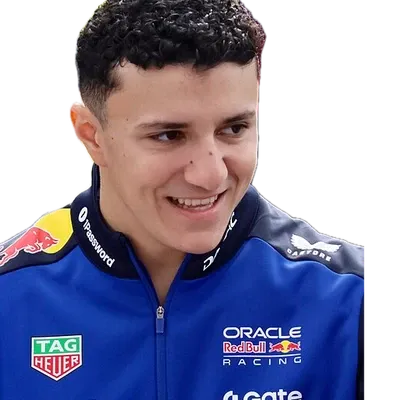 Isack Hadjar
 Red Bull Racing$5mEstimated▼ $2m below NicoRead the profile
Photo and logo credits
Openly licensed via Wikimedia Commons; a driver shown with initials has no portrait yet.
- Esteban Ocon: Rrtb505050, CC0
- Isack Hadjar: Yu Chu Chin, CC BY-SA 4.0
- Sergio Pérez: XaviYuahanda, CC BY-SA 4.0
- Hero and alert photos: Press Service of the President of the Republic of Azerbaijan, CC BY 4.0
- Team cars, 2026 Chinese Grand Prix: Liauzh, CC BY 4.0
Trademarks of their owners, shown only to identify each team.
- Red Bull Racing: The team’s own logo (Red Bull mark only, title sponsor cropped out), via Wikipedia, Trademark of its owner, shown to identify the team
- Haas: Haas F1 Team, Public domain (trademarked logo)
- Cadillac: TedNauru, CC0
Is Nico Hülkenberg’s Salary Included in F1’s $215 Million Cost Cap?
No. Nico Hülkenberg’s salary is not included in Formula 1’s $215 million cost cap. According to Formula1.com’s explainer “What is the F1 cost cap and why has it gone up?” (2026), driver salaries and retainers are explicitly classified as excluded costs under the FIA’s financial regulations. This exclusion allows teams to allocate their budgets mainly toward car development, engineering, and other operational expenses, while compensating drivers separately. The FIA’s financial rules keep driver salaries from affecting the total team budget, enabling teams to attract and retain top talent without compromising on technical investments. This approach maintains competitive balance by focusing the cost cap on areas such as aerodynamics and factory resources.
Counts toward the cap$215m
- Car development
- Team operations
Outside the cap$7m
- Race-driver salaries
- Salaries of a team's three highest-paid personnel
Why Are Driver Salaries Excluded From the Budget Cap?
Driver salaries are excluded from Formula 1’s $215 million budget cap to maintain the sport’s competitive integrity and appeal. The FIA, Formula 1’s governing body, determined that including driver salaries in the cap could limit teams’ ability to attract top talent, potentially leading to a less competitive field. The FIA’s financial regulations, as detailed by Formula1.com, classify driver compensation, along with associated travel and accommodation costs, as “Excluded Costs.” This classification allows teams to focus their capped budgets on car development and performance improvements without compromising on driver quality. Formula 1 ensures that teams can continue to offer market-competitive rates to experienced drivers like Nico Hülkenberg, whose experience contributes greatly to team success, by excluding driver salaries from the budget cap.
Why driver pay sits outside the cap
- 1
Competitive fairness
The cap is designed to level the field on what teams spend.
- 2
Talent acquisition
Teams can attract and retain top drivers without touching their operating budget.
- 3
Focus on technical costs
The market value of drivers stays independent of team spending limits, so the cap targets car development instead.
Does Nico Hülkenberg Get Prize Money for Race Wins?
No, Nico Hülkenberg does not receive direct prize money for race wins in Formula 1. Instead, the sport’s commercial rights holder distributes prize money to teams based on their performance in the Constructors’ Championship. Drivers, such as Hülkenberg, earn any race-win bonuses through performance incentives written into their contracts with their teams. For example, his contract with Audi reportedly includes a €50,000 ($57,000) bonus per point scored, according to Grand Prix.com’s reporting on the deal, which can increase his earnings considerably if he performs well. This bonus structure allows teams to benefit financially from strong results, while drivers receive their performance-related income through negotiated bonus clauses.
How F1 prize money flows
- 1
No direct prize money
Hülkenberg does not receive direct prize money for race wins.
- 2
Paid to teams
The commercial rights holder distributes prize money to teams based on the Constructors' Championship.
- 3
Via team contracts
Drivers earn any race-win bonuses through performance incentives written into their team contracts.
- 4
His points bonus
His Audi contract reportedly includes a bonus per point scored, which can increase his earnings considerably.
What Is Nico Hülkenberg’s Net Worth Beyond His Racing Salary?
Nico Hülkenberg’s net worth is estimated at $10 million as of 2026, ranking him the 16th richest driver on the current grid, according to F1Salaries.com. Hülkenberg’s net worth reflects his accumulated wealth from over 15 years in Formula 1, including salaries, bonuses, and sponsorship deals. His separate career base pay total, approximately $57.99 million, ranks 11th-highest on the grid, a distinct measure from his net worth since it does not account for taxes, living costs, and investment outcomes. In addition to his $7 million base salary with Audi, Hülkenberg’s net worth includes investment income, property holdings, and residual sponsorship agreements. This full financial portfolio highlights his careful financial management and the benefits of a sustained career in motorsport.
Net worth beyond racing salary
$10m
Ranks him the 16th richest driver on the current grid.
Years in Formula 1
15+
Reflecting his accumulated wealth from salaries, bonuses and sponsorships.
How Nico Hülkenberg Racing Income Differs From Total Net Worth
Racing income refers to the earnings Nico Hülkenberg receives directly from his Formula 1 activities, including his base salary, performance bonuses, and sponsorship deals tied to his racing career. In contrast, total net worth covers the broader scope of financial assets accumulated over time. Total net worth includes past earnings, investments, property holdings, and business ventures beyond his current racing contract. According to F1 Salaries, Hülkenberg’s estimated net worth stands at $10 million, reflecting his cumulative career earnings of $57.99 million since 2010, minus living expenses, taxes, and investments. His 2026 racing income, consisting of a $7 million base salary with potential bonuses, represents only his current-year compensation package from Audi and active sponsorships.
Racing income vs total net worth
Racing income
His base salary, performance bonuses and sponsorship deals tied to his current racing career.
Total net worth
His broader accumulated wealth: past earnings, investments, property and business ventures.
Which Brands Sponsor Nico Hülkenberg Outside of Audi?
Nico Hülkenberg, a veteran Formula 1 driver, partners with several notable brands outside his commitments with Audi. Those collaborations add to his visibility and marketability within the motorsport and broader commercial sectors. The brands that sponsor him outside Audi are listed below:
- Gebr. Heinemann: This German travel-retail company uses Hülkenberg’s international Formula 1 presence in its marketing strategies, especially in airport and cruise destinations.
- Admin By Request: A cybersecurity firm that features Hülkenberg as a brand ambassador, with its logo prominently displayed on his racing helmet.
- LEGO Germany: The partnership focuses on family-oriented motorsport campaigns, aligning with Hülkenberg’s appeal to a broad audience.
- Schuberth: As an ambassador for this German helmet manufacturer, Hülkenberg endorses their products during Grand Prix events.
Brands outside of Audi
- Gebr. HeinemannGerman travel-retail company; uses his international F1 presence in airport and cruise marketing.
- Admin By RequestCybersecurity firm; features him as a brand ambassador with his racing helmet.
- LEGO GermanyFamily-oriented motorsport campaigns, aligning with his broad appeal.
- SchuberthGerman helmet manufacturer; he endorses their products during Grand Prix events.
How Nico Hülkenberg’s 2026 Salary Reflects His Standing as One of F1’s Most Experienced Drivers
Nico Hülkenberg’s 2026 salary of $7 million, with potential earnings reaching $9.9 million including bonuses, reflects the weight placed on his wide-ranging experience in Formula 1. With over 265 Grand Prix entries, Hülkenberg offers unmatched technical knowledge and consistency, making him a strategic asset for Audi’s inaugural F1 campaign. Despite lacking a race win, his ability to provide useful feedback and maintain performance stability justifies a salary that surpasses many less-experienced drivers. His compensation reflects his role as a cornerstone in Audi’s development strategy, with the premium placed on experience over race victories. This financial recognition positions Hülkenberg as a key figure in Audi’s F1 ambitions, highlighting his career-long contributions to the sport.
A cornerstone for Audi
Strategic asset
Unmatched technical knowledge and consistency for Audi's inaugural F1 campaign.
Feedback over victories
His ability to provide useful feedback justifies a salary that surpasses many less-experienced drivers.
Development strategy
A cornerstone in Audi's approach, with experience valued over race wins.
Nico Hülkenberg’s Salary in Context of His Long F1 Career
Nico Hülkenberg’s salary in 2026 reflects the evolution of his Formula 1 career. Starting with modest earnings at Force India, his compensation increased sharply during his tenure at Renault, where he earned up to $10 million annually. Transitioning to Audi, Hülkenberg’s base salary is set at $7 million, complemented by performance bonuses that could raise his total earnings to nearly $10 million in a successful season. This salary structure highlights his standing as an experienced driver, despite not having achieved a podium finish before 2025. His career earnings of $57.99 million rank among the higher career totals on the current grid, highlighting the financial benefits of longevity and experience in Formula 1.
First career podium
2025
Despite his long career, achieved only after 15 years in Formula 1.
What his salary reflects
Longevity and experience
The financial benefits of a sustained F1 career.
Brand logo credits
Trademarks of their owners, shown only to identify each brand.
- Admin By Request: the brand’s own website
- Gebr. Heinemann: Wikimedia Commons
- LEGO Germany: Wikimedia Commons
- Schuberth: Wikimedia Commons