











Team marks are trademarks of their owners.
Max Verstappen Salary
 Red Bull Racing 2026 season
Max Verstappen's 2026 Formula 1 pay: a base Red Bull salary of about $65 million plus bonuses, for a total of $70 million to $76 million.
2026 base salary
$65m
- Grid rank
- 1st
- Contract to
- 2030
- Total earnings
- $70m–$76m


Max Verstappen’s 2026 Formula 1 salary package combines a base salary, performance bonuses, and personal sponsorship income. His base Red Bull salary, estimated at around $65 million, forms the foundation of his earnings. Performance bonuses add roughly $11 million on top of that base, while his personal sponsorship income has no reliable public value. Together, the base salary and bonuses place Verstappen’s total annual income between $70 million and $76 million, reflecting his status as a top-tier driver.
Verstappen’s salary has grown considerably since his rookie year, marked by record-setting contract extensions that reflect his exceptional talent and marketability. His earnings far exceed those of his Red Bull teammate, Isack Hadjar, which points to the experience premium and championship pedigree that Verstappen commands. Within the 2026 grid, Verstappen ranks among the highest-paid drivers, alongside figures like Lewis Hamilton. Driver salaries are excluded from the $215 million cost cap, which lets teams invest heavily in talent without affecting their budget limits.
Beyond his racing income, Max Verstappen’s net worth is bolstered by investments and endorsements from brands such as TAG Heuer, CarNext, and Heineken. Those ventures add to his financial standing, further cementing his position as F1’s benchmark driver. His 2026 salary reflects his unmatched combination of speed, consistency, and global appeal, making him a key figure in the sport.
How Much Does Max Verstappen Earn in 2026?
Max Verstappen earns an estimated $70 million to $76 million USD in 2026. His earnings include a substantial base salary from Red Bull Racing, performance-related bonuses, and income from personal sponsorship deals. Sport finance expert Rob Wilson put his base-plus-bonus earnings at up to $70 million, according to an article “Red Bull ‘crown jewel’ Max Verstappen set to earn $70-million a year from new deal” published by GrandPrix247 in August 2026. According to industry reports, Verstappen’s compensation reflects his status as a multiple-time World Champion and a dominant figure in Formula 1.
The main drivers of Verstappen’s earnings are his large base salary, bonuses tied to race wins and podium finishes, and the commercial value of his endorsements. Together, those factors place him among the highest earners on the 2026 Formula 1 grid.
2026 earnings, on one scale
- 2026 total (estimated)$70m–$76m
- 2026 base salary$65m
- Bonuses, roughly$11m
Per Grand Prix
$2.8m
Per point scored
$399k
Per day
$178k
Per hour
$7k
At that rate the retainer pays about $124 of salary every minute.
Max Verstappen’s Base Red Bull Salary
Max Verstappen’s base Red Bull salary for 2026 is reported at approximately $65 million USD per year. The base salary is the guaranteed portion of his compensation package, exclusive of bonuses and endorsements. Verstappen’s base salary reflects his status as a leading driver in Formula 1 and supports his earnings with Red Bull Racing. According to an article “Highest-paid F1 drivers in 2025: Max Verstappen still leads as Lando Norris chases” published by Motorsport.com in December 2025, Forbes estimates his base at about $65 million and his total at $76 million, the latest published figures. That base was set under his 2022 extension, which kept him with the team through the 2028 season before it was extended to 2030. Performance incentives and sponsorship income are added on top of the base, extending his value to the team and the sport.
2026 base salary
$65m
Per year, from Red Bull Racing. The guaranteed part of his package, before bonuses and endorsements.
Scope
Base only
Independent of performance bonuses and sponsorship deals.
Set under
The 2022 extension
It kept him with the team through 2028, before it was extended to 2030.
Max Verstappen’s Red Bull Contract Length and Value
Max Verstappen’s Red Bull contract extends through the 2030 Formula 1 season, according to an article “Max Verstappen signs contract extension with Red Bull until the end of 2030 ahead of Dutch Grand Prix” published by Formula1.com in August 2026. The long-term agreement builds on a previous deal that ran until 2028 and keeps him with the team for several more years. Red Bull’s commitment to Verstappen as a cornerstone of its racing strategy follows his multiple World Championship wins.
The financial details of Verstappen’s contract have not been officially disclosed, and Red Bull has not confirmed any figure for the 2027 to 2030 extension. That silence is typical of the sport, where driver pay is reported only through estimates.
Contract runs through
2030
The end of this season, agreed in August 2026 ahead of the Dutch Grand Prix.
Previous deal ran until
2028
The new agreement builds on it and keeps him with the team for several more years.
Financial terms
Not disclosed
Red Bull has not confirmed any figure for the extension years — typical of a sport where driver pay is reported only through estimates.
The deal, step by step
- 1
2022
A five-year extension through 2028, after his first world championship.
- 2
August 2026
Extended again, to the end of 2030.
- 3
2027 to 2030
The extension years. Red Bull has not confirmed a figure for them.
How Much Is Max Verstappen’s Contract Worth in Total?
Max Verstappen’s Red Bull contract runs through the 2030 season, and Red Bull has not confirmed its total value. The package combines base salary commitments with structured performance-related bonuses, and industry reports describe it as one of the most lucrative in Formula 1 history, highlighting Verstappen’s championship pedigree and commercial value. His financial terms place him among the highest-earning athletes in global motorsport, and his annual earnings can vary with on-track success and the achievement of performance milestones.
Total contract value
Not confirmed
Red Bull has not confirmed the total value of the deal.
How it is described
Among the most lucrative
Industry reports call it one of the most lucrative contracts in Formula 1 history.
What varies
Annual earnings
They move with on-track success and the performance milestones he achieves.
What Bonuses Does Max Verstappen Earn on Top of His Base Salary?
Max Verstappen earns performance bonuses from Red Bull Racing on top of his base salary. The bonuses are performance-based, rewarding his exceptional achievements on the track. According to Forbes’ latest estimate, his bonuses add roughly $11 million annually, depending on race results. Red Bull’s bonus structure includes incentives for race victories, podium finishes, and championship standings, aligning driver pay with team success and competitive outcomes.
Verstappen’s earnings are directly tied to his performance, so superior track results translate into larger financial rewards. Such incentives encourage consistent high performance and separate top-tier drivers like Verstappen from mid-grid counterparts. With his track record of multiple championships, his bonuses have consistently increased his total compensation beyond his base salary, reinforcing his status as one of Formula 1’s highest-paid athletes. Performance-based bonuses form a key part of his compensation, and the sections below break down the win, podium, and championship components.
Bonuses, roughly per year
$11m
On top of his base salary, depending on race results.
What they reward
Wins, podiums, standings
Race victories, podium finishes and championship standings.
How pay is built
Tied to performance
Better track results mean larger financial rewards, which sets top drivers apart from the mid-grid.
Max Verstappen Win and Podium Bonuses
Win and podium bonuses form a major part of Max Verstappen’s compensation package with Red Bull Racing. The bonuses reward on-track success with payments for race victories and podium finishes. No per-race amounts for wins or podiums have been publicly confirmed. Forbes’ total of $76 million against a base of roughly $65 million implies about $11 million in bonuses, according to an article “Highest-paid F1 drivers in 2025: Max Verstappen still leads as Lando Norris chases” published by Motorsport.com in December 2025. The payments are structured to align with his achievements, so his earnings rise with each successful race weekend.
Per race victory
Not confirmed
No per-race amount for a win has been publicly confirmed.
Per podium finish
Not confirmed
No per-race amount for a podium has been publicly confirmed.
Where the figure comes from
Implied by the totals
The gap between his total earnings and his base salary implies the bonus amount.
Max Verstappen Points and Championship Bonuses
Points and championship bonuses supplement Max Verstappen’s base salary as a component of his earnings. Championship points add to his earnings incrementally. Each point scored during the season adds to his financial rewards, encouraging consistent strong finishes. Winning the Drivers’ Championship triggers bonuses that can reach several million dollars, reflecting the value placed on securing the title. Performance-based incentives align his financial gains with on-track success and raise his total annual income.
Per championship point
Adds up
Each point scored adds to his rewards, encouraging consistent strong finishes.
A Drivers' Championship
Several million dollars
Winning the title triggers bonuses that can reach this level.
The effect
Pay follows results
Performance incentives align his financial gains with on-track success.
How Much Does Max Verstappen Make From Sponsorships and Endorsements?
Max Verstappen’s personal sponsorship income has no publicly reported value. Sponsorship and endorsement income sits separately from his Red Bull Racing contract, and Forbes’ earnings totals exclude external sponsorships, merchandise, and social media revenue, according to an article “Highest-paid F1 drivers in 2025: Max Verstappen still leads as Lando Norris chases” published by Motorsport.com in December 2025. His global appeal and marketability, which have grown alongside his on-track success, make him one of the most desirable athletes for commercial collaborations.
Because those totals exclude sponsorship, the share of his income that comes from endorsements cannot be calculated from published figures. His marketability rests on his status as a multiple-time world champion and his large fan base, especially in Europe. Unlike some drivers whose sponsorships are restricted by team affiliations, Verstappen maintains a portfolio of personal partnerships that complement Red Bull’s sponsor network.
The Dutch driver’s sponsorship value has risen in step with his championship victories, attracting brands that want to associate with his winning persona. Personal endorsement deals, alongside appearance fees and merchandising rights, form the basis of his off-track income, supplementing his substantial Red Bull salary.
Sponsorship income
No public value
No reliable figure has been reported for his personal sponsorships.
Published earnings totals
Leave it out
They exclude external sponsorships, merchandise and social media revenue, so the endorsement share cannot be calculated.
Marketability
Multiple-time champion
His appeal grew alongside his success, especially across Europe.
Max Verstappen’s Major Brand Partnerships
Max Verstappen’s publicly reported personal partnerships are listed below, according to an article “Who Sponsors Max Verstappen in 2025? Top Endorsements Revealed” published by Chase Your Sport in 2025.
- TAG Heuer: A personal partnership with the Swiss luxury watchmaker dating to 2016, aligning his image with precision and high performance.
- CarNext: An ambassador deal with the online used-car platform that began in 2020, drawing on his automotive know-how and European appeal.
- Heineken: A 2023 personal endorsement deal with the Dutch brewer.
- EA Sports: A 2023 deal that placed the EA SPORTS logo on his helmet and created content across the EA SPORTS portfolio, reflecting his gaming profile.
Those partnerships, along with his Red Bull salary and bonuses, contribute to his total annual income.
Major brand partnerships
 TAG HeuerThe Swiss luxury watchmaker, a personal partner since 2016
 CarNextThe online used-car platform, an ambassador deal since 2020
 HeinekenThe Dutch brewer, a personal endorsement deal from 2023
 EA SportsA 2023 deal that put its logo on his helmet and created gaming content
What Is Max Verstappen’s Total Annual Income?
Max Verstappen’s total annual income in 2026 is estimated to be between $70 million and $76 million. His total annual income combines his base salary from Red Bull Racing and performance bonuses, while personal sponsorship income is excluded because it has no reliable public value. Forbes puts his base salary from Red Bull at approximately $65 million, with performance bonuses raising his earnings to around $76 million annually, according to the 2025 list. Sport finance expert Rob Wilson, quoted by GrandPrix247 in August 2026, put the figure at up to $70 million including base and bonuses.
Verstappen’s income is spread across several channels, which is typical of elite athletes. His Red Bull contract forms the foundation of his compensation, while performance bonuses reward his success on the track. Sponsorship deals add to his financial standing and show the commercial appeal of his brand. His combined package places Verstappen among the highest-paid drivers in Formula 1, driven by both his racing achievements and his global marketability.
Verstappen’s total income places him at the top of the sport’s financial hierarchy, illustrating the lucrative opportunities open to drivers who excel both on and off the track.
Total annual earnings, 2026
$70m–$76m
Estimated: base salary and performance bonuses together. Sponsorship income is excluded.
The foundation
Base salary
His Red Bull contract forms the foundation, with bonuses rewarding success on the track.
Sponsorship income
Left out
It has no reliable public value, so it is not part of the total.
Max Verstappen Base Salary vs Bonus vs Sponsorship Breakdown
The three components of Max Verstappen’s total annual income in 2026 are listed below:
- Base Red Bull Salary: Max Verstappen’s base salary from Red Bull Racing is approximately $65 million annually. The base salary is the guaranteed portion of his earnings, providing a stable financial foundation.
- Performance Bonuses: Performance incentives add an estimated $11 million to his annual income. Bonuses reward achievements such as race wins, podium finishes, and championship points, reflecting his on-track success.
- Sponsorship and Endorsements: Personal partnerships with TAG Heuer, CarNext, Heineken, and EA Sports add to his earnings beyond the track, but no reliable public figure has been reported for them.
How 2026 breaks down
2026 total earnings$76m
- Base salary$65m
- Bonuses$11m
How Has Max Verstappen’s Salary Changed Over His Red Bull Career?
Max Verstappen’s salary at Red Bull Racing has risen from rookie-level pay to a dominant position in Formula 1. In 2016, his salary was modest, estimated at €500,000 (roughly $550,000) annually. His on-track performance quickly raised his status, leading to large salary increases. In 2022, Verstappen secured a contract extension reportedly worth up to €50 million per year, reflecting his championship successes and marketability.
In 2026, Verstappen’s compensation package, including base salary and bonuses, was estimated at $70 million to $76 million annually. That increase reflects Red Bull’s commitment to retaining a driver of his caliber and the value of his contributions to the team. His salary growth shows how his achievements and influence in the sport have translated into one of the highest earnings in Formula 1 history.
Base salary and total earnings by year
- Base salary
- Estimated salary
- 2026 estimated total
Max Verstappen’s Rookie-Year Red Bull Deal in 2016
Max Verstappen’s rookie-year Red Bull deal in 2016 was a turning point in his Formula 1 career. The rookie-year contract reflected his status as a promising yet unproven young driver. After his promotion from Toro Rosso to Red Bull Racing, Verstappen’s base salary was estimated at €500,000 (approximately $550,000), according to an article “F1 2016 Driver salaries - who earned most?” published by Crash.net in 2016. Verstappen’s 2016 salary was modest by Formula 1 standards but typical for a teenager entering a top-tier team.
Despite that modest starting pay, Verstappen’s immediate impact on the team was undeniable. His victory at the Spanish Grand Prix, where he became the youngest-ever Grand Prix winner, showed Red Bull’s strategic investment in his potential. That result laid the groundwork for the record-setting contract extensions that followed, establishing him as a top driver in the sport.
2016 base salary
€500,000
Estimated, per year — roughly $550,000, modest but typical for a teenager at a top team.
His promotion
Toro Rosso to Red Bull
The step up to the senior team marked a turning point in his career.
His first win
Youngest-ever winner
At the Spanish Grand Prix, which showed Red Bull's investment in his potential.
Max Verstappen’s Record-Setting Contract Extensions
Max Verstappen’s record-setting contract extensions with Red Bull Racing have shaped his career and earnings. In March 2022, Verstappen signed a five-year extension that runs through 2028, reported at up to €50 million a year, according to an article “Verstappen finalises deal worth up to €50m a year - report” published by The Race in March 2022. The deal followed his first world championship win in 2021, establishing him as one of the highest-paid athletes in motorsport.
Red Bull’s commitment to securing Verstappen’s talents amid interest from rival teams shows in his contract extensions. His ability to perform consistently at a championship-winning level, combined with his global marketability, justifies the exceptional compensation he commands.
Up to, per year
€50M
Reported value of the March 2022 extension, in euros.
Runs through
2028
A five-year extension signed in March 2022.
It followed
His first world title
The 2021 championship made him one of the highest-paid athletes in motorsport.
Why Do F1 Drivers Like Max Verstappen Earn So Much?
Formula 1 drivers like Max Verstappen earn substantial salaries because of their exceptional skills and the sport’s immense commercial value. Formula 1 is among the most-watched sports worldwide, and the series estimates its global fanbase at 827 million, according to an article “F1 2025 in numbers: Epic title battle delivers record audience growth and commercial gains” published by BlackBook Motorsport in 2026. That viewership generates revenue for teams through broadcasting rights, sponsorships, and merchandise sales. Elite drivers like Verstappen are valued both for securing race wins and championships and for raising team visibility and attracting sponsors.
Scarce top-tier driving talent further inflates salaries. Only 20 seats are available in Formula 1, and drivers capable of consistently competing for championships are even rarer. Teams invest heavily in drivers who can deliver measurable returns, such as prize money from constructors’ championships and increased sponsor interest. Verstappen’s salary reflects both his on-track performance and his off-track marketability, making him a strategic asset rather than an expense.
The combination of performance and marketability strongly shapes driver pay. Performance bonuses tied to wins and podium finishes, along with personal sponsorship deals, raise a driver’s total earnings. Marketability, built on a strong public profile and global fan base, lets drivers like Verstappen command higher salaries than less commercially appealing rivals.
Global F1 fanbase
827M
The series' own estimate. That audience drives broadcasting, sponsorship and merchandise revenue.
Seats on the grid
20
And drivers who can consistently contend for titles are rarer still.
What he is to a team
A strategic asset
Valued for wins and titles and for raising visibility and attracting sponsors.
Why top drivers are paid so much
- 1
A huge audience
Broadcasting rights, sponsorship and merchandise generate revenue for teams.
- 2
Scarce talent
Few seats, and fewer drivers who can contend for championships.
- 3
Measurable returns
Prize money from the constructors' championship and more sponsor interest.
- 4
An asset, not an expense
His salary reflects both his performance and his marketability.
How F1 Driver Pay Reflects Performance and Marketability
Formula 1 driver salaries are shaped by both on-track performance and off-track marketability. On-track performance covers championship titles, race victories, and consistent podium finishes. Those results demonstrate a driver’s skill and contribute to a team’s success in the Constructors’ Championship. Off-track marketability covers a driver’s global fan base, media presence, and ability to attract sponsors. Drivers like Max Verstappen use their on-track success to build a personal brand, which raises their appeal to sponsors and fans alike. According to an article “F1 prize money: How much do GP teams and drivers really make?” published by Motor Sport Magazine in May 2025, driver contracts are based mainly on experience and reputation, with performance bonuses stacked on top. Performance and marketability together explain why top drivers command premium salaries, and sporting success plus commercial appeal creates a wide earnings gap between top-tier drivers and their peers.
What driver pay rests on
On-track performance
Titles, wins and podiums show skill and lift a team in the Constructors' Championship.
Off-track marketability
Fan base, media presence and the ability to attract sponsors, built from success into a personal brand.
How contracts are built
Mainly on experience and reputation, with performance bonuses stacked on top.
How Does Max Verstappen’s Salary Compare to His Red Bull Teammate Isack Hadjar?
Max Verstappen’s 2026 salary far surpasses that of his Red Bull teammate, Isack Hadjar. Verstappen’s total compensation package is estimated at $70 million to $76 million, which includes his base salary and performance bonuses. In contrast, Hadjar’s 2026 base salary is reported at about €6.6 million (roughly $7.7 million), according to an article “Isack Hadjar’s Red Bull F1 salary will be FIVE times bigger than current deal” published by GPFans in December 2025. Verstappen’s status as an established champion and Red Bull’s lead driver accounts for the difference, while Hadjar, as a newer entrant, receives a more modest package.
Differing career stages and achievements explain the salary gap between Verstappen and Hadjar. Verstappen’s earnings are bolstered by his role as a multiple-time World Champion with a proven track record, while Hadjar’s contract aligns with his position as a developing driver from Red Bull’s junior program. Industry reports consistently place Verstappen at the top of the salary rankings, whereas Hadjar’s earnings place him outside the top tier of the grid.
Marketability and performance are key factors in Formula 1 driver pay, which justifies Verstappen’s higher salary. His ability to attract sponsorships and deliver consistent race results supports his substantial earnings. Hadjar’s contract structure, by contrast, focuses on growth and potential, with financial incentives tied to performance milestones.
Why the gap
Experience and titles
Verstappen is an established champion and Red Bull's lead driver.
Career stage
Different paths
Hadjar is a developing driver from Red Bull's junior programme, on a growth-focused deal.
On the salary table
Top against outside the top tier
Reports place Verstappen at the top; Hadjar's earnings sit outside the top tier.
Base Salary: Verstappen vs Hadjar
Max Verstappen’s base salary with Red Bull Racing for the 2026 Formula 1 season is reported to be approximately $65 million annually, reflecting his position as a four-time World Champion and the team’s lead driver. In contrast, Isack Hadjar, Verstappen’s teammate and a newcomer to Formula 1, earns a base salary of about €6.6 million, roughly five times what he earned at Racing Bulls. The difference reflects the gap in experience and achievement between the two drivers. Red Bull’s investment in Verstappen’s proven track record shows in his salary, while Hadjar’s pay reflects his position as a first-season driver in the main team.
Base salary, 2026
 Max Verstappen$65m
 Isack Hadjar$7.7m
Experience Premium: Verstappen vs Hadjar
The experience premium in Formula 1 is visible in Verstappen’s estimated annual earnings of $70 million to $76 million, which contrast sharply with Hadjar’s base salary of approximately €6.6 million (roughly $7.7 million). Max Verstappen, an established driver and multiple-time world champion, earns far more than his less experienced teammate. The gap is attributed to Verstappen’s proven track record, his central role in Red Bull’s success, and his commercial appeal. On those figures, Verstappen’s estimated income is roughly nine to ten times Hadjar’s base salary, which underlines the financial rewards tied to experience and championship success in Formula 1.
Verstappen's income against Hadjar's base
9–10×
Roughly nine to ten times, on the estimated figures.
What explains it
Track record
His proven record, central role in Red Bull's success and commercial appeal.
Hadjar's base salary
€6.6M
About €6.6 million, roughly five times what he earned at Racing Bulls.
Where Does Max Verstappen Rank Among F1’s Highest-Paid Drivers in 2026?
Max Verstappen holds the top spot as the highest-paid Formula 1 driver in 2026. His earnings, estimated between $70 million and $76 million annually, place him ahead of all other drivers on the grid. Verstappen’s ranking reflects his exceptional performance, including four consecutive world championships, and his substantial commercial appeal. His compensation package, which includes his base salary and performance bonuses, surpasses those of other top earners like Lewis Hamilton and Charles Leclerc.
According to an article “Highest-paid F1 drivers in 2025: Max Verstappen still leads as Lando Norris chases” published by Motorsport.com in December 2025, Forbes’ annual F1 salary rankings put his total earnings above those of his rivals. His financial standing underlines the value he brings to Red Bull Racing and the sport as a whole.
Highest-paid driver, 2026
First
Ahead of every other driver on the grid, including Lewis Hamilton and Charles Leclerc.
World championships
4
Four in a row, behind a ranking that reflects his performance and commercial appeal.
Is Max Verstappen Richer Than Lewis Hamilton?
No, Max Verstappen, despite earning a substantial annual salary in Formula 1 for 2026, does not surpass Lewis Hamilton in net worth. Hamilton’s career in Formula 1, which spans close to two decades, has enabled him to amass a much larger net worth. The seven-time world champion has earned top-tier salaries since the mid-2000s and has grown his wealth through lucrative endorsements and business ventures beyond racing. While Verstappen’s current annual income might rival or even exceed Hamilton’s 2026 earnings, Hamilton’s accumulated wealth from racing salaries, bonuses, sponsorships, and investments gives him a higher total net worth.
Richer than Hamilton?
No
Despite his 2026 income, he does not surpass Hamilton in net worth.
Hamilton's career
Close to two decades
Top-tier salaries since the mid-2000s built a much larger net worth.
Hamilton's world titles
7
Plus endorsements, business ventures and investments beyond racing.
Max Verstappen vs the Rest of the 2026 Grid
Max Verstappen’s salary in 2026 places him as the highest-paid driver on the Formula 1 grid. His compensation package, estimated at $70 million to $76 million annually, far exceeds that of most competitors. Forbes’ 2025 list puts Lewis Hamilton at $70.5 million and Lando Norris at $57.5 million, while Charles Leclerc earns $30 million and mid-tier drivers such as Lance Stroll and Carlos Sainz earn $13.5 million and $13 million. Rookie drivers and those in junior positions usually earn well below the leaders, which shows the wide income gap. Verstappen’s earnings position him as a benchmark driver, reflecting both his multiple world championships and consistent performance dominance.
Against the rest of the grid
- Max Verstappen$70m–$76m
 Lewis Hamilton$70.5m
 Lando Norris$57.5m
 Charles Leclerc$30m
 Lance Stroll$13.5m
 Carlos Sainz$13m
More driver salaries
Other drivers on the 2026 grid, with how each compares to Max. Open one for their pay history and contract.
- #2 on the 2026 pay scale
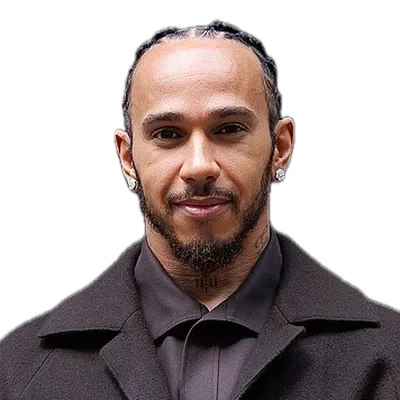 Lewis Hamilton
 Ferrari$60mEstimated▼ $5m below MaxRead the profile
- #3 on the 2026 pay scale
 Charles LeclercFerrari$34mEstimated▼ $31m below MaxRead the profile
- #3 on the 2026 pay scale
 George Russell
 Mercedes$34mEstimated▼ $31m below MaxRead the profile
Photo and logo credits
Openly licensed via Wikimedia Commons; a driver shown with initials has no portrait yet.
- Charles Leclerc: Gabriel Hutchinson, CC BY-SA 4.0
- George Russell: Raph_PH, CC BY 2.0
- Lewis Hamilton: Lauren Hurley / No 10 Downing Street, Open Government Licence v3.0
- Hero and alert photos: Press Service of the President of the Republic of Azerbaijan, CC BY 4.0
- Team cars, 2026 Chinese Grand Prix: Liauzh, CC BY 4.0
Trademarks of their owners, shown only to identify each team.
- Ferrari: The team’s own logo (shield only, partner mark removed), via Wikipedia, Trademark of its owner, shown to identify the team
- Mercedes: Mercedes-AMG Petronas F1 Team, Public domain (trademarked logo)
Is Max Verstappen’s Salary Included in F1’s $215 Million Cost Cap?
No, Max Verstappen’s salary is not included in Formula 1’s $215 million cost cap. According to an article “F1 Cost Cap: What’s Included and Excluded?” published by PaddockIntel in September 2026, driver salaries and the pay of the three highest-paid eligible individuals are excluded from the budget cap calculation. That exclusion lets teams like Red Bull pay their drivers without those amounts affecting their spending limits. The rule lets teams still invest in car development, engineering staff, and race operations without compromising their competitive edge. Red Bull can therefore offer Verstappen a lucrative annual package while staying within the $215 million threshold for other team expenses.
Counts toward the cap$215m
- Car development
- Team operations
Outside the cap$65m
- Race-driver salaries
- Salaries of a team's three highest-paid personnel
Why Are Driver Salaries Excluded From the Budget Cap?
Driver salaries are excluded from Formula 1’s $215 million cost cap to maintain the sport’s competitive balance and attract top talent. According to PaddockIntel’s review of the 2026 rules, driver compensation is treated as an excluded cost, which lets teams invest in elite drivers without affecting the cap on car development and team operations. The exemption keeps driver salaries out of the technical and operational budget, helping teams retain star drivers who are key marketing assets. The rules exclude the pay of the three highest-paid eligible individuals, which often includes the team principal and chief technical officer, reflecting their role in generating commercial value beyond the engineering budget.
Why driver pay sits outside the cap
- 1
Competitive balance
Excluding driver pay keeps the cap about car development and operations.
- 2
What is excluded
Driver compensation is treated as an excluded cost.
- 3
And top staff
The pay of the three highest-paid eligible individuals, often the team principal and chief technical officer.
- 4
The effect
Teams can retain star drivers, who are key marketing assets, without touching the technical budget.
Does Max Verstappen Get Prize Money for Race Wins?
No, Max Verstappen does not receive direct prize money from Formula 1 for winning races. In Formula 1, prize money goes to teams based on their performance in the Constructors’ Championship, not to individual drivers. According to an article “F1 prize money: How much do GP teams and drivers really make?” published by Motor Sport Magazine in May 2025, the pot is divided between all ten teams at the end of the season, and drivers earn performance bonuses through their own contracts instead. Verstappen’s earnings from race wins usually come from performance bonuses in his contract with Red Bull Racing, rather than direct prize money from Formula 1.
How F1 prize money flows
- 1
The prize pot
Divided between all ten teams at the end of the season.
- 2
By constructors' standing
Each team's share depends on its Constructors' Championship position.
- 3
Not to drivers
Race winners do not receive prize money directly.
- 4
Driver contracts
Drivers earn performance bonuses through their own contracts instead.
What Is Max Verstappen’s Net Worth Beyond His Racing Salary?
Max Verstappen’s net worth beyond his racing salary has not been reliably reported, so no verified range can be given. His net worth draws on several sources beyond the track, including investments, real estate holdings, and business ventures. His annual earnings from Red Bull and endorsements form the basis of his wealth, but his net worth further includes returns from diversified investments and luxury real estate properties. Verstappen’s assets, accumulated since his Formula 1 debut in 2015, reflect his success both on and off the track.
Net worth
Not reliably reported
So no verified range can be given.
Where it draws from
Beyond the track
Investments, real estate holdings and business ventures, on top of Red Bull and endorsement earnings.
Formula 1 debut
2015
His assets have accumulated since then.
How Max Verstappen Racing Income Differs From Total Net Worth
Racing income refers to the annual earnings Max Verstappen receives from his Red Bull salary, performance bonuses, and sponsorship deals. Those earnings contribute to his immediate financial liquidity but do not cover his entire financial status. In contrast, Verstappen’s total net worth includes the cumulative value of all his assets, such as investments, real estate, and other financial interests accumulated over his career. Verstappen’s net worth is likely higher than his annual racing income because of those additional assets and investments, though no verified total has been published.
Income and net worth are different things
Racing income
Annual earnings from his Red Bull salary, bonuses and sponsorship deals.
Net worth
The cumulative value of all his assets: investments, real estate and other financial interests.
Likely higher
Net worth is likely higher than his annual racing income, though no verified total has been published.
Which Brands Sponsor Max Verstappen Outside of Red Bull?
The personal partners that Max Verstappen has publicly been linked with outside Red Bull Racing are listed below, according to an article “Who Sponsors Max Verstappen in 2025? Top Endorsements Revealed” published by Chase Your Sport in 2025.
- TAG Heuer: The Swiss luxury watchmaker has been a partner since 2016, aligning his image with precision and performance.
- CarNext: The online used-car platform has used Verstappen as an ambassador since 2020, tapping into his large fanbase across Europe.
- Heineken: A 2023 personal endorsement deal with the Dutch brewer.
- EA Sports: A 2023 deal that placed the EA SPORTS logo on his helmet and created gaming content with him.
The partnerships highlight Verstappen’s marketability and global appeal, adding to his commercial profile and his standing as Formula 1’s benchmark driver.
Brands outside Red Bull
- TAG HeuerThe Swiss luxury watchmaker, a partner since 2016, aligned with precision and performance
- CarNextThe online used-car platform, with Verstappen as ambassador since 2020
- HeinekenA 2023 personal endorsement deal with the Dutch brewer
- EA SportsA 2023 deal with the EA SPORTS logo on his helmet and gaming content
How Max Verstappen’s 2026 Salary Reflects His Standing as F1’s Benchmark Driver
Max Verstappen’s 2026 salary package highlights his position as the benchmark driver in Formula 1. His compensation, estimated between $70 million and $76 million annually, is built on a base salary of about $65 million, supplemented by performance bonuses and endorsements. The package shows his dominance in the sport, evidenced by his four consecutive World Championships. Verstappen’s marketability adds to his value and makes him a key figure in Red Bull’s competitive and commercial strategy. His salary reflects both his on-track achievements and his contribution to Red Bull’s global brand presence.
Verstappen’s earnings are indicative of a driver whose performance and market appeal justify such a high level of compensation. His ability to consistently deliver championship-winning results secures Red Bull’s continued investment in him, while his global appeal drives substantial sponsorship revenues. Verstappen is both the highest-paid driver on the grid and a key asset in Formula 1’s wider commercial structure.
2026 package, estimated
$70m–$76m
A base salary supplemented by performance bonuses and endorsements.
World championships
4
Consecutive world championships, the evidence of his dominance.
His standing
Benchmark driver
The highest-paid on the grid and a key asset in Formula 1's wider commercial structure.
Max Verstappen’s Salary in Context of His Red Bull Career
Max Verstappen’s salary reflects his evolution from a promising rookie to a cornerstone of Red Bull Racing. Since joining the team in 2016, his compensation has risen sharply, in step with his ascent to becoming a multiple-time world champion. Successive contract extensions have solidified his position as one of the highest-paid drivers in Formula 1. His current salary package, which includes a base salary and performance bonuses, shows his value to Red Bull and his status as a benchmark driver in the sport. His financial trajectory highlights his central role in Red Bull’s success and his influence within the F1 community.
His Red Bull career
- 1
2016
He joins Red Bull as a promising rookie.
- 2
The rise
His pay climbs in step with his ascent to multiple-time world champion.
- 3
Extensions
Successive contract extensions make him one of the highest-paid drivers in Formula 1.
- 4
Today
A base salary plus bonuses, and a benchmark status that shows his value to Red Bull.
Brand logo credits
Trademarks of their owners, shown only to identify each brand.
- TAG Heuer: Wikimedia Commons
- CarNext: the brand’s own website
- Heineken: Wikimedia Commons
- EA Sports: Wikimedia Commons