











Team marks are trademarks of their owners.


Esteban Ocon’s 2026 Formula 1 salary is a full compensation package from Haas, consisting of a base salary, performance bonuses, and personal sponsorship income. The base Haas salary is set at $7 million, forming the core of his earnings, according to Spotrac’s 2026 driver salary data, as reported by NBC Sports. The foundational salary is then augmented by performance-related bonuses, which can add up to an additional $2 million, bringing his total estimated earnings to approximately $9 million; personal sponsorship income sits alongside that estimate but has no publicly disclosed dollar value of its own.
Ocon’s financial trajectory has evolved since his transition from Alpine to Haas. At Alpine, his salary was estimated at around $6 million, reflecting his status as an experienced driver with a race victory. His move to Haas in 2025 represents a shift from a works team to a customer operation, yet his salary reflects his credentials, including over 490 career championship points and a Grand Prix victory. A driver of Ocon’s caliber commands such a salary due to his proven race-winning ability and consistent performance, which are key assets for a team aiming to compete in the midfield.
In comparison to his Haas teammate Oliver Bearman, Ocon’s $7 million base salary far exceeds Bearman’s $1 million, highlighting the experience premium Ocon holds. Within the broader 2026 grid, Ocon’s salary places him in the midfield, below top earners like Max Verstappen and Lewis Hamilton but above many rookies. Under F1’s cost cap regulations, driver salaries are excluded, allowing teams to compensate drivers based on market value. Ocon does not come from a wealthy background; his family made sacrifices to support his career. Beyond racing, his net worth, estimated at $21 million, is bolstered by sponsorships from brands outside Haas.
How Much Does Esteban Ocon Earn in 2026?
Esteban Ocon earns an estimated $7 million in base salary for the 2026 Formula 1 season, with potential performance bonuses raising his total compensation to around $9 million. The $7 million estimate is based on Spotrac’s 2026 driver salary data, as reported by NBC Sports, and reflects Ocon’s base salary at Haas F1 Team, a key factor in his total earnings. Ocon’s pay is influenced by his experience, including his Grand Prix victory and nearly 500 career championship points, which position him as a key asset for Haas.
According to F1 Salaries, Ocon’s salary places him in the middle tier among the 2026 grid earners, highlighting his role as an experienced driver in a competitive market. His compensation package is structured to include base salary, performance incentives, and personal sponsorship income.
Esteban Ocon's 2026 earnings
- 2026 total (estimated)$9m
- 2026 base salary$7m
Per Grand Prix
$304k
Per point scored
$1m
Per day
$19k
Per hour
$799
At that rate the retainer pays about $13 of salary every minute.
Esteban Ocon’s Base Haas Salary
Esteban Ocon’s base Haas salary for the 2026 Formula 1 season is set at $7 million per year. The $7 million figure represents the guaranteed annual compensation that forms the foundation of his total earnings package before any performance-related bonuses or personal sponsorship income is added. The base salary reflects his status as an experienced driver with a proven track record in Formula 1, commanding far more than his rookie teammate Oliver Bearman, who earns a base of $1 million, according to Spotrac’s 2026 driver salary data as reported by NBC Sports.
Ocon’s $7 million base salary marks a substantial evolution from his earliest days in the sport: he earned $185,000 in his rookie 2017 season with Force India, a figure far below even today’s lowest-paid drivers, who earn around $2 million, according to a 2017 Formula 1 driver salary ranking reported by La Libre. The base salary figure serves as the contractual foundation upon which his performance bonuses and additional incentives are structured, establishing the minimum guaranteed income Ocon will receive regardless of on-track results throughout the 2026 season.
2026 base salary
$7m
The guaranteed annual compensation before bonuses or sponsorship income.
2017 rookie salary at Force India
$185,000
The starting point of his Formula 1 earnings.
Esteban Ocon’s Haas Contract Length and Value
Esteban Ocon’s current contract with Haas spans two years, covering the 2025 and 2026 Formula 1 seasons. The agreement positions Ocon as a key driver for Haas during this period, reflecting his experience and the team’s strategic needs. The contract is valued at approximately $14 million over its duration, equating to a base salary of around $7 million per season, a deal Haas confirmed in July 2024, according to an article published by GrandPrix.com.
The $14 million contract value places Ocon among the mid-tier earners on the Formula 1 grid, highlighting the premium on his proven capabilities as a race winner. Compared to his teammate Oliver Bearman, whose contract is valued at $2 million, Ocon’s agreement underscores the importance of his experience and leadership within the team. While the exact terms of Formula 1 contracts are generally kept confidential, these figures are based on industry estimates reported by sources like F1 Salaries.
Contract value
$14m
Across the two-season deal, equating to his per-season base.
Base salary per year
$7m
Confirmed by Haas in July 2024.
Bearman's contract value
$2m
For comparison, his rookie teammate's contract.
The two-year Haas deal
- 1
July 2024
The two-year contract with Haas is confirmed.
- 2
2025
First season at Haas, after his Alpine tenure ends.
- 3
2026
Second season of the contract.
What Bonuses Does Esteban Ocon Earn on Top of His Base Salary?
Esteban Ocon earns performance-based bonuses on top of his $7 million base salary, with payouts tied to race results and championship standing that can raise his total compensation to approximately $9 million, an increase of around $2 million.
Ocon’s bonus structure revolves around his on-track achievements. The performance bonuses tied to his results include championship points, race finishes, podium placements, and potential race victories. While the exact thresholds and payouts are not publicly detailed, Formula 1 driver contracts commonly layer a points-based incentive system on top of the base salary, according to Motor Sport Magazine’s analysis of how driver pay is structured.
Ocon’s bonus framework aligns driver motivation with team objectives, so that Ocon benefits directly from strong performances. As a result, his earnings potential is closely linked to his ability to achieve high results on the track.
2026 base salary
$7m
Performance bonuses are layered on top of this, tied to race results and championship standing.
Potential bonus addition
$2m
Raises his total compensation toward $9m in a strong season.
Esteban Ocon Win and Podium Bonuses
Esteban Ocon’s win and podium bonuses are not publicly disclosed, but midfield Formula 1 contracts commonly pay drivers up to roughly $10,000 per championship point scored, which would put a 25-point race win at around $250,000 and a podium finish in the tens of thousands of dollars, according to Motor Sport Magazine’s analysis of F1 prize money and driver pay. The win and podium bonuses serve as motivational tools, rewarding exceptional performances in races. According to F1 Salaries, Ocon’s total earnings, including potential bonuses, could reach up to $9 million, indicating a bonus pool of approximately $2 million above his $7 million base salary.
Win and podium bonuses
- Per championship point$10k
- Estimated 25-point race win$250k
- Per podium finishTens of thousands, no specific figure disclosed
Esteban Ocon Points and Championship Bonuses
Esteban Ocon’s points and championship bonuses add an estimated $2 million to his earnings, designed to reward consistent point-scoring and strong championship finishes, though exact figures remain confidential. F1 Salaries reports that mid-tier drivers like Ocon commonly see their base salary increased by 20-30% through such performance bonuses. The incentive structure rewards on-track success, directly linking Ocon’s performance to his financial rewards.
Points and championship bonus pool
$2m
Rewards consistent point-scoring and strong championship finishes.
Base salary increase
20%–30%
Typical for mid-tier drivers through performance bonuses.
How Much Does Esteban Ocon Make From Sponsorships and Endorsements?
Esteban Ocon’s sponsorship and endorsement income has no publicly disclosed dollar value, a gap common among midfield Formula 1 drivers whose personal deals are rarely broken out from team pay; Forbes, for instance, excludes external sponsorship and endorsement income from its published Formula 1 earnings estimates for this reason. Ocon’s endorsements stem from his rise from a humble background to becoming a Grand Prix winner, increasing his attractiveness to brands targeting the European market.
The sponsorship income sits alongside his base salary and performance bonuses rather than inside the $9 million Haas estimate, forming a complete but only partly disclosed financial picture. Ocon’s commercial partnerships provide both monetary compensation and increased visibility, adding to his marketability for future contract negotiations.
Sponsorship income
Not publicly disclosed
Common among midfield F1 drivers, whose personal deals are rarely broken out from team pay.
Why it's undisclosed
Rarely broken out from team pay
Most published F1 earnings estimates exclude external sponsorship income for this reason.
Esteban Ocon’s Major Brand Partnerships
Esteban Ocon’s major brand partnerships, which strengthen his public profile and commercial earnings, are listed below:
- Bianchet: As a Swiss luxury watchmaker, Bianchet appointed Ocon as its official brand ambassador in 2025, aligning with his sophisticated image and international appeal.
- Tiffany & Co.: This luxury jewelry house has featured Ocon in a joint campaign with his partner, Flavy Barla, since October 2024, strengthening his association with high-end fashion and elegance.
- Guess: Since 2024, Guess has utilized Ocon as a global brand ambassador, integrating his stylish persona into their fashion marketing campaigns.
- Ubigi: In 2026, this travel eSIM and connectivity brand named Ocon its global ambassador, using his international racing schedule to support worldwide connectivity.
Major brand partnerships
 BianchetThe Swiss luxury watchmaker named him its official brand ambassador in 2025.
 Tiffany & Co.Featured in a joint campaign with his partner, Flavy Barla, for the luxury jewelry house since October 2024.
 GuessGlobal brand ambassador for the fashion company since 2024.
 UbigiNamed global ambassador for the travel eSIM and connectivity brand in 2026.
What Is Esteban Ocon’s Total Annual Earnings?
Esteban Ocon’s total annual earnings for 2026 are estimated to be around $9 million, according to Spotrac’s driver salary data as reported by NBC Sports and F1 Salaries’ 2026 grid rankings. The $9 million figure combines his base salary from Haas with performance-related bonuses; his personal sponsorship income sits outside that estimate because, as with most midfield F1 drivers, no outlet has published a dollar figure for it. The base salary of $7 million forms the core of his earnings, with potential bonuses of up to $2 million depending on his race performance, including points scored and podium finishes.
Ocon’s total earnings place him in the middle tier among Formula 1 drivers for 2026. While far higher than rookie salaries, such as his Haas teammate Oliver Bearman’s potential $1.5 million, they remain below the sport’s highest earners like Max Verstappen and Lewis Hamilton.
Total annual earnings, 2026
$9m
Combines his base salary from Haas with performance-related bonuses.
2026 base salary
$7m
The core of his earnings.
Potential bonuses
$2m
Depending on his race performance, including points scored and podium finishes.
Esteban Ocon Base Salary vs Bonus vs Sponsorship Breakdown
Esteban Ocon’s earnings at Haas are structured across three primary financial components. Each contributes to his total income, reflecting both guaranteed and performance-based parts of his pay.
- Base Salary: Esteban Ocon receives a base salary of $7 million from Haas. The fixed amount forms the core of his compensation, providing financial stability.
- Performance Bonuses: Ocon can earn up to an additional $2 million through performance bonuses. The bonuses are contingent on achieving defined race results, such as podium finishes and championship standings.
- Sponsorship and Endorsements: Beyond his Haas contract, Ocon benefits from personal sponsorships and endorsements with brands such as Bianchet, Guess, and Tiffany & Co. While the exact figures are not publicly disclosed and sit outside the $9 million Haas estimate, the deals add to his total income and marketability.
Base salary vs bonus vs sponsorship
- Base salary$7m
- Bonuses$2m
- On-track total (base + bonuses)$9m
- Sponsorships and endorsementsNot publicly disclosed
How Has Esteban Ocon’s Salary Changed Since Joining Haas?
Esteban Ocon’s salary has increased by $1 million since he joined Haas for the 2025 Formula 1 season, rising from a $6 million base at Alpine to a $7 million base at Haas. During his tenure at Alpine, Ocon’s salary was approximately $6 million in his final year, confirming the $1 million increase upon moving to Haas. The salary growth reflects his greater value and experience in Formula 1 racing.
Ocon’s financial progression reflects his consistent performance and marketability as a driver. Ocon’s salary trajectory began with a modest amount during his early years with Force India, where he earned $185,000 in his 2017 rookie season. His financial ascent continued through his Alpine years, where his earnings increased from $5 million annually in 2021 and 2022 to $6 million in 2023 and 2024, according to Spotrac’s historical driver salary data. The progression highlights the common path of a mid-tier driver gaining recognition and reward for his achievements, including a Grand Prix victory.
Ocon’s salary evolution at Haas reflects his established reputation and the team’s confidence in his capabilities. His current contract with Haas, valued at $14 million through 2026, positions him as a key player within the team.
Base salary and total earnings by year
- Base salary
- 2026 estimated total range
Esteban Ocon’s Alpine Years
Esteban Ocon’s tenure with Alpine, once known as Renault, marked a defining period in his Formula 1 career. During his Alpine years, Ocon secured his first Formula 1 victory at the 2021 Hungarian Grand Prix, establishing himself as a reliable driver in the midfield pack. His contract with Alpine was structured to reflect his growing reputation, with a base salary reportedly ranging from $5 million in the initial years to around $6 million by the end of his tenure in 2024. The salary increase reflected his value as a consistent points scorer and his potential as a race winner, according to Spotrac’s historical salary data for the driver.
The Alpine years provided Ocon with financial stability and a platform to showcase his skills, which later supported his move to Haas with a more lucrative contract. His performance and experience gained during this period were central to negotiating a higher salary package with Haas, highlighting his progression as a competitive Formula 1 driver.
His Alpine years
- 1
First F1 victory
The 2021 Hungarian Grand Prix, establishing him as a reliable midfield driver.
- 2
Growing reputation
Salary rising through his Alpine years as a consistent points scorer.
- 3
A platform for Haas
Financial stability that supported negotiating a more lucrative contract.
Esteban Ocon’s Move to Haas and New Salary
Esteban Ocon’s new salary at Haas is a $7 million annual base, secured when he transitioned to the team for the 2025 Formula 1 season after his Alpine tenure concluded at the end of 2024, a move Haas confirmed in July 2024 according to GrandPrix.com. The move marked a substantial increase from his earlier earnings. Ocon’s entry into Formula 1 with Force India in 2017 saw him earning $185,000, one of the lowest salaries on the grid that season.
The contract with Haas provided Ocon financial stability and included performance bonuses, potentially raising his earnings to $9 million per year. His contract, valued at $14 million over two seasons, extends through the 2026 season. Despite the financial gains, Ocon’s performance in the 2026 season has been challenging, with only seven points so far this season compared to his teammate Oliver Bearman’s 20 points in the same period. The performance disparity has led to speculation about his future with Haas, although Ocon remains committed to improving his results.
2026 points so far
7
His season total through the period described in the article.
Bearman's 2026 points
20
In the same period, fuelling speculation about Ocon's future at Haas.
Why Do F1 Drivers Like Esteban Ocon Earn So Much?
Formula 1 drivers like Esteban Ocon earn large salaries because of their rare combination of elite driving skills and substantial commercial value. F1 is a global motorsport industry worth billions, where drivers are key assets that influence team performance and attract sponsors. The sport’s global audience, with a cumulative television audience of 1.83 billion in 2025 according to Nielsen Sports data reported by Formula1.com, generates vast revenue streams shared with drivers who deliver on-track results. Only 20 drivers hold an F1 seat at any time, making their talent exceptionally rare and highly compensated.
The financial system of Formula 1 supports substantial driver salaries through team budgets, manufacturer investments, and shared commercial rights revenue. Teams invest heavily in drivers because their performance directly impacts constructor championship standings, influencing prize money distribution and sponsorship appeal. A driver’s market value is built on years of training, racecraft, and the ability to extract performance from complex machinery. Ocon’s progression from a $185,000 rookie salary to a $7 million annual contract illustrates how proven results and consistency raise a driver’s earning power.
Beyond driving ability, F1 drivers function as brand ambassadors, extending a team’s marketing reach and commercial partnerships. A driver’s marketability, including nationality, personality, and social media presence, adds value beyond lap times. The dual role of performance and marketability explains why drivers like Ocon can command substantial salaries.
2025 cumulative TV audience
1.83bn
Generates vast revenue streams shared with drivers who deliver on-track results.
F1 seats available
20
Making driver talent exceptionally rare and highly compensated.
Why F1 drivers like Ocon earn so much
- 1
Rare combination
Elite driving skills paired with substantial commercial value.
- 2
A global industry
F1 is a motorsport business worth billions, with drivers as key assets.
- 3
Team investment
Performance directly impacts constructor standings, prize money and sponsorship appeal.
- 4
Brand ambassadors
Drivers extend a team's marketing reach beyond lap times.
How F1 Driver Pay Reflects Performance and Marketability
Formula 1 driver salaries are determined by a balance between on-track performance and off-track marketability. Performance metrics such as race wins, podium finishes, and championship standings form the foundation of a driver’s value to a team. The achievements directly influence base salary negotiations and bonus structures. Marketability, measured through media presence, social following, and sponsor appeal, adds a second, defining dimension. Teams view drivers as brand ambassadors who raise the team’s profile and open additional revenue streams.
For drivers like Esteban Ocon, salaries reflect both proven track records and marketability. Ocon’s salary at Haas is justified by his Grand Prix victory and consistent performance. His French nationality and multilingual skills strengthen his marketability, contributing to his total value proposition. The dual valuation explains why drivers with similar on-track results can command different salaries based on factors like nationality and media training. The performance and marketability combination positions Ocon favorably in financial comparisons with teammates like Oliver Bearman.
Nationality
France
His French nationality and multilingual skills strengthen his marketability.
Valuation
Performance and marketability
A Grand Prix victory and consistent performance, paired with media appeal.
How Does Esteban Ocon’s Salary Compare to His Haas Teammate Oliver Bearman?
Esteban Ocon’s salary at Haas far surpasses that of his teammate Oliver Bearman. In 2026, Ocon earns a base salary of $7 million, which is far higher than Bearman’s $1 million. The disparity highlights the premium placed on Ocon’s experience and achievements in Formula 1. Including performance bonuses, Ocon’s potential earnings could reach $9 million, while Bearman’s maximum earnings are capped at $1.5 million. The seven-to-one pay ratio underscores the financial gap between an established driver and a rookie in their first full season, based on Spotrac’s salary data as reported by NBC Sports.
The difference in their salaries reflects their contrasting career stages and the value of Ocon’s proven track record. Ocon’s net worth of $21 million further emphasizes his financial advantage over Bearman, whose net worth is estimated at $1 million. Ocon’s role as a team leader at Haas, coupled with his race-winning credentials, justifies the higher investment in his contract. In contrast, Bearman’s lower salary aligns with his status as an emerging talent expected to develop over time.
Total potential earnings, 2026
- Total annual earnings, 2026
 Esteban Ocon$9m
 Oliver Bearman$1.5m
- Base salary, 2026
- Esteban Ocon$7m
- Oliver Bearman$1m
- Net worth
- Esteban Ocon$21m
- Oliver Bearman$1m
Base Salary: Ocon vs Bearman
Esteban Ocon’s base salary at Haas in 2026 is $7 million, far higher than Oliver Bearman’s $1 million. The $6 million difference highlights the premium placed on Ocon’s experience and track record in Formula 1. Ocon’s salary reflects his established career, which includes notable achievements such as a Grand Prix victory and multiple podium finishes. In contrast, Bearman, as a rookie, earns a lower salary due to his brief experience in the sport. The salary disparity is common in Formula 1, where veteran drivers generally command higher pay than their less experienced teammates, according to Spotrac’s driver salary database as reported by NBC Sports.
Ocon's career
Established, race-winning
Includes a Grand Prix victory and multiple podium finishes.
Bearman's career
Rookie, brief experience
Earns a lower salary reflecting his early career stage.
Experience Premium: Ocon vs Rookie-Era Teammate Bearman
Esteban Ocon’s experience premium over his rookie-era teammate Oliver Bearman amounts to a $6 million base-salary gap: Ocon earns $7 million annually, while Bearman receives $1 million. The difference highlights Ocon’s established presence in Formula 1 since 2016, which includes a Grand Prix victory and 490 career championship points. Bearman, having joined Haas as a full-time rookie in 2025, represents a high-potential talent at entry-level compensation, with 68 career points. Ocon’s salary reflects his ability to deliver consistent performance, guide technical development, and fulfill sponsor obligations, justifying his premium pay. The salary structure reflects the value teams place on experienced drivers who contribute to both competitive success and commercial demands, according to Spotrac’s driver salary data as reported by NBC Sports.
Ocon's career points
490
Since 2016, including a Grand Prix victory.
Bearman's career points
68
Since his 2025 rookie debut.
Where Does Esteban Ocon Rank Among F1’s Highest-Paid Drivers in 2026?
Esteban Ocon ranks joint 13th among Formula 1’s highest-paid drivers in 2026. He shares this position with Nico Hülkenberg from Audi, both earning a reported base salary of $7 million. The joint-13th ranking places Ocon in the mid-tier range of F1 salaries, far below the top earners like Max Verstappen and Lewis Hamilton, who command $70 million and $60 million respectively, according to Spotrac’s 2026 driver salary rankings as reported by NBC Sports.
Ocon’s position reflects his status as an experienced mid-field driver with proven race-winning capabilities. His total potential earnings, including bonuses, can reach up to $9 million. The compensation structure aligns with his role at Haas, where he is expected to lead the team’s development and consistently score points rather than compete for podium finishes.
2026 grid rank
13th
Tied with Nico Hülkenberg.
2026 base salary
$7m
His reported base salary for the 2026 season.
Total annual earnings, 2026
$9m
Once performance bonuses are included.
Tied for 13th with Nico Hülkenberg
- Esteban Ocon$7m
 Nico Hülkenberg$7m
Esteban Ocon vs the Rest of the 2026 Grid
Esteban Ocon’s 2026 salary positions him in the mid-tier of the Formula 1 earnings hierarchy. His base salary of $7 million, as reported by F1 Salaries, places him well above the lower-paid drivers but well below the top earners like Max Verstappen, who commands an estimated $70 million, and Lewis Hamilton, who earns $60 million with Ferrari. Ocon’s total compensation, potentially reaching $9 million with bonuses, underscores his experience and status as a race-winning driver, yet it reflects Haas’s smaller budget compared to leading teams, based on Spotrac’s driver salary rankings as reported by NBC Sports.
The salary distribution across the 2026 grid highlights considerable disparities driven by factors such as team budgets and driver experience. While Ocon earns $7 million, his Haas teammate Oliver Bearman receives a base salary of just $1 million, illustrating the premium placed on Ocon’s experience. In contrast, drivers like Isack Hadjar at Red Bull earn $7.5 million, and Mercedes rookie Kimi Antonelli, despite leading the championship, receives only $3.4 million. Ocon’s earnings reflect his established reputation and performance capabilities within the constraints of Haas’s financial framework, according to Spotrac’s 2026 grid-wide salary data as reported by NBC Sports.
Esteban Ocon vs the rest of the 2026 grid
 Max Verstappen$70m
 Lewis Hamilton$60m
 Isack Hadjar$7.5m
- Esteban Ocon$7m
 Kimi Antonelli$3.4m
- Oliver Bearman$1m
More driver salaries
Other drivers on the 2026 grid, with how each compares to Esteban. Open one for their pay history and contract.
- #13 on the 2026 pay scale
 Nico Hülkenberg
 Audi$7mEstimatedSame as EstebanRead the profile
- #12 on the 2026 pay scale
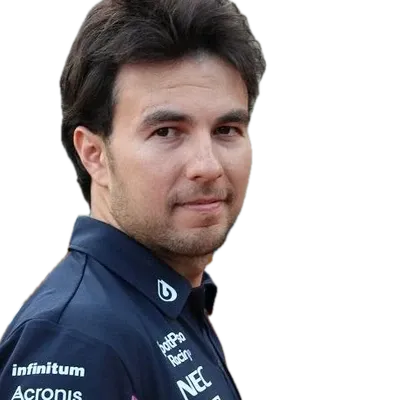 Sergio Pérez
 Cadillac$8mEstimated▲ $1m above EstebanRead the profile
- #15 on the 2026 pay scale
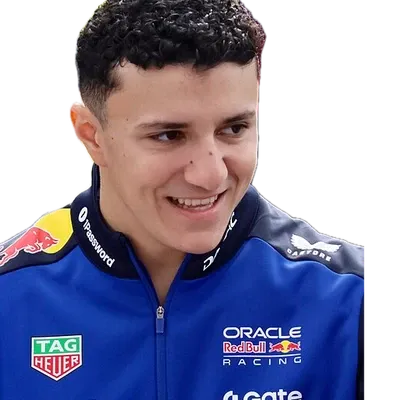 Isack Hadjar
 Red Bull Racing$5mEstimated▼ $2m below EstebanRead the profile
Photo and logo credits
Openly licensed via Wikimedia Commons; a driver shown with initials has no portrait yet.
- Isack Hadjar: Yu Chu Chin, CC BY-SA 4.0
- Nico Hülkenberg: Marc Alvarado, CC BY-SA 2.0
- Sergio Pérez: XaviYuahanda, CC BY-SA 4.0
- Hero and alert photos: Press Service of the President of the Republic of Azerbaijan, CC BY 4.0
- Team cars, 2026 Chinese Grand Prix: Liauzh, CC BY 4.0
Trademarks of their owners, shown only to identify each team.
- Red Bull Racing: The team’s own logo (Red Bull mark only, title sponsor cropped out), via Wikipedia, Trademark of its owner, shown to identify the team
- Cadillac: TedNauru, CC0
- Audi: Audi Revolut F1 Team / Sauber Motorsports AG, Public domain (trademarked logo)
Is Esteban Ocon’s Salary Included in F1’s $215 Million Cost Cap?
No, Esteban Ocon’s salary is not included in Formula 1’s $215 million cost cap. According to the FIA’s financial regulations, driver salaries are explicitly excluded from the team budget cap. The exclusion applies to all F1 drivers, allowing teams like Haas to pay Ocon his $7 million base salary without impacting their capped operational expenditure. The regulatory framework ensures that while technical development costs are capped, driver compensation remains flexible, preserving the sport’s competitive balance and talent attraction, according to Formula1.com’s own explainer on why the cost cap increased for 2026.
Counts toward the cap$215m
- Car development
- Team operations
Outside the cap$7m
- Race-driver salaries
- Salaries of a team's three highest-paid personnel
Why Are Driver Salaries Excluded From the Budget Cap?
Driver salaries are excluded from Formula 1’s $215 million budget cap to maintain the sport’s competitive balance and attract top talent. According to the FIA’s financial regulations, the cap mainly controls spending on car development and operations rather than driver compensation. The approach allows teams to invest in elite drivers without compromising their financial resources for car development. Formula 1 ensures that teams can compete for top talent based on commercial success and brand value by exempting salaries from the cap, preserving the sport’s competitive integrity and financial stability.
Why driver pay sits outside the cap
- 1
Competitive fairness
The cap is designed to level the field on what teams spend.
- 2
Talent acquisition
Teams can attract and retain top drivers without touching their operating budget.
- 3
Focus on technical costs
The market value of drivers stays independent of team spending limits, so the cap targets car development instead.
Does Esteban Ocon Get Prize Money for Race Wins?
No, Esteban Ocon does not receive direct prize money for winning races in Formula 1. The sport’s prize fund is allocated to teams based on their position in the Constructors’ Championship, not to individual drivers. The distribution system is outlined in F1’s financial regulations, which state that commercial revenue is paid to constructor entities. Drivers like Esteban Ocon earn through their contracts, which include base salaries and performance bonuses for achievements such as race wins, podium finishes, and points scored. The bonuses are privately negotiated and can vary widely between drivers, offering financial incentives for individual performance without direct prize money from race victories.
How F1 prize money flows
- 1
No direct prize money
Ocon does not receive prize money directly from Formula 1 for winning races.
- 2
Paid to teams
F1's prize fund is allocated to teams based on their Constructors' Championship position.
- 3
Commercial revenue, not drivers
F1's financial regulations state that commercial revenue is paid to constructor entities.
- 4
Bonuses instead
Any reward for a win or podium comes through his privately negotiated contract bonuses, not direct prize money.
Does Esteban Ocon Come From a Wealthy Family?
No, Esteban Ocon does not come from a wealthy family. Esteban Ocon’s background involved serious financial challenges and family sacrifices. His parents, Laurent and Sabrina Ocon, managed a small garage in Normandy and faced financial constraints during his early racing career. To support Ocon’s karting ambitions, his family sold their home and lived in a caravan, traveling to races with his father working as his mechanic. The family’s dedication proved central to sustaining his racing career, eventually leading to external support from programs like the Gravity Academy. The humble beginning distinguishes Ocon from many of his peers who come from affluent backgrounds, marking the remarkable path he took to reach Formula 1.
A humble beginning
- 1
A small garage in Normandy
His parents, Laurent and Sabrina Ocon, faced financial constraints during his early racing career.
- 2
Selling their home
The family sold their home and lived in a caravan to support his karting ambitions.
- 3
His father as mechanic
Traveling to races with his father working on the car.
- 4
External support
Programs like the Gravity Academy later helped sustain his career.
What Is Esteban Ocon’s Net Worth Beyond His Racing Salary?
Esteban Ocon’s net worth is estimated at approximately $21 million, according to Celebrity Net Worth. The $21 million figure covers more than just his annual racing salary from Haas. His total valuation includes accumulated earnings from his entire Formula 1 career, dating back to 2016, investment income, property holdings, and the cumulative value of his personal sponsorship and endorsement deals. While his current $7 million base salary at Haas represents his annual racing income, his net worth reflects the financial legacy of his years at Manor, Force India/Racing Point, and Alpine, combined with prudent wealth management and commercial partnerships outside the cockpit.
Ocon’s rise from a $185,000 rookie salary in his first F1 season at Force India to building a $21 million net worth demonstrates substantial financial growth, even for a driver who has competed mainly for midfield teams rather than the sport’s highest-paying outfits. The accumulated wealth positions Ocon comfortably within the middle tier of F1 driver net worths, though it remains modest compared to the sport’s elite earners like Lewis Hamilton, whose net worth is estimated at $300 million, and Max Verstappen, at $200 million according to Celebrity Net Worth, highlighting how racing income contributes to but does not solely define a driver’s total net worth.
Net worth beyond racing salary
$21m
Includes accumulated F1 earnings, investments, property and endorsement deals.
Career earnings since
2016
Dating back to his debut with Manor in 2016.
Net worth vs the sport's elite earners
- Lewis Hamilton$300m
- Max Verstappen$200m
- Esteban Ocon$21m
How Esteban Ocon Racing Income Differs From Total Net Worth
Racing income differs from Esteban Ocon’s total net worth in scope and timeframe: racing income reflects his annual Formula 1 earnings, estimated at $9 million for 2026, including his $7 million base Haas salary, performance bonuses, and racing-related sponsorship deals, while net worth captures his entire accumulated wealth, estimated at $21 million. Esteban Ocon’s total net worth is a broader measure of his accumulated wealth, covering all career earnings, investments, property holdings, and endorsement deals beyond racing. His net worth reflects years of financial growth through asset appreciation and prudent financial management beyond a single season’s compensation. The distinction highlights how annual racing income represents current cash flow, while net worth captures the broader financial position built over time, according to Celebrity Net Worth’s estimate and Spotrac’s 2026 salary data as reported by NBC Sports.
Racing income vs total net worth
Racing income
His annual Formula 1 earnings for 2026, including base salary, bonuses and racing-related sponsorships.
Total net worth
His entire accumulated wealth: career earnings, investments, property and endorsement deals beyond racing.
Which Brands Sponsor Esteban Ocon Outside of Haas?
Esteban Ocon’s sponsors outside of Haas, spanning the luxury and lifestyle sectors, are listed below:
- Bianchet: This Swiss luxury watchmaker has partnered with Ocon, who became a brand ambassador in 2025.
- Guess: Ocon serves as a global brand ambassador for this fashion company, extending his influence in the fashion industry.
- Tiffany & Co.: Ocon has featured in a joint campaign for the luxury-jewelry house since October 2024, alongside his partner, Flavy Barla.
- Charles Pozzi: As a brand ambassador, Ocon represents this French Ferrari dealer, extending his connection to high-end automotive brands.
Brands outside of Haas
- BianchetSwiss luxury watchmaker; he became a brand ambassador in 2025.
- GuessGlobal brand ambassador for the fashion company.
- Tiffany & Co.Featured in a joint campaign for the luxury jewelry house since October 2024.
 Charles PozziBrand ambassador for the French Ferrari dealer.
How Esteban Ocon’s 2026 Salary Reflects His Standing at Haas
Esteban Ocon’s 2026 salary of $7 million reflects his status as the lead driver for Haas. The substantial base pay highlights the team’s reliance on his long experience and proven track record in Formula 1. His earnings, which can rise to $9 million with bonuses, reflect Haas’s commitment to drawing on his knowledge in car development and team leadership. Despite a challenging start to the season, with Ocon scoring fewer points than his teammate Oliver Bearman, his compensation package positions him as a mid-tier earner on the 2026 grid.
The salary gap between Ocon and Bearman, who earns $1 million, emphasizes Haas’s strategic investment in Ocon’s capabilities. His compensation reflects both his race-winning potential and his role in guiding the team through regulatory transitions. Ocon’s salary aligns with his career trajectory, from a $185,000 rookie salary to his current position, illustrating his progression through merit and skill.
His standing at Haas
Lead driver
His substantial base pay reflects the team's reliance on his experience.
Experience over results
Despite scoring fewer points than Bearman this season.
Long-term value
His role in car development and guiding the team through regulatory transitions.
Esteban Ocon’s Salary in Context of His F1 Career
Esteban Ocon’s salary in the context of his Formula 1 career illustrates a notable financial evolution. Beginning with a $185,000 salary during his debut year at Force India, Ocon’s earnings have increased by a wide margin. His base salary with Haas reaches $7 million by 2026, with potential bonuses raising his total earnings to approximately $9 million. The progression reflects his path from a rookie driver to an experienced competitor, highlighting his achievements and value within the sport. Ocon’s current salary marks the pinnacle of his financial success and aligns with his status as a proven race winner and experienced driver.
Salary growth since 2017
≈38×
From his Force India rookie salary to his current Haas base.
F1 debut season
2017
His rookie year with Force India.
Brand logo credits
Trademarks of their owners, shown only to identify each brand.
- Bianchet: the brand’s own website
- Tiffany & Co.: Wikimedia Commons
- Guess: Wikimedia Commons
- Ubigi: the brand’s own website
- Charles Pozzi: the brand’s own website