











Team marks are trademarks of their owners.
Isack Hadjar Salary
 Red Bull Racing 2026 season
Isack Hadjar's 2026 Formula 1 pay: a base Red Bull salary of about $5 million, about $7.5 million in total with bonuses, after his promotion from Racing Bulls.
2026 base salary
$5m
- Grid rank
- Joint 15th of 22
- Contract to
- 2027
- Total earnings
- $7.5m
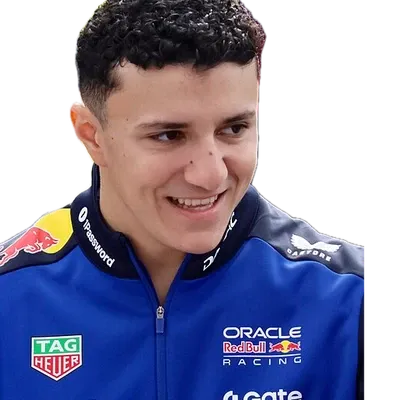

Isack Hadjar’s 2026 Formula 1 salary is a Red Bull compensation package made up of a base salary, performance-based bonuses, and personal sponsorship income. Isack Hadjar’s base salary rose sharply after his promotion from Racing Bulls to the main Red Bull Racing team. Hadjar’s base salary serves as the foundation on which performance bonuses and additional sponsorship earnings are layered.
Isack Hadjar’s salary structure is intentionally high-risk and performance-based, typical of rookie promotion contracts in Formula 1. Under that structure, a relatively modest guaranteed base salary is supplemented by substantial bonus opportunities that reward podium finishes, race wins, and championship points. Hadjar’s pay aligns the driver’s financial incentives with team performance while managing Red Bull’s financial exposure during a driver’s proving phase. Compared to the wider Red Bull roster, Hadjar sits far below Max Verstappen’s earning level, reflecting the industry practice of rewarding proven performance and marketability over potential.
When placed against teammate Max Verstappen, Hadjar’s earnings represent a fraction of the established champion’s compensation. Forbes estimated Verstappen’s 2025 total at $76 million, while Hadjar’s estimated total is about $7.5 million. Under F1’s $215 million cost cap regulations, driver salaries are explicitly excluded from budget calculations, allowing teams to compensate their drivers without constraint. Race wins do not bring direct prize money to drivers, because Formula 1’s commercial revenue distribution flows to teams rather than individual competitors. Beyond racing income, no verified source publicly reports a net worth figure for Hadjar.
How Much Does Isack Hadjar Earn in 2026?
Isack Hadjar’s 2026 earnings with Red Bull Racing are estimated at about $7.5 million including base salary and potential bonuses. His 2026 total is put at €6.6 million including bonuses, according to an article “Combien gagne Isack Hadjar ?” published by L’Essentiel de l’Éco. A base salary of about $5 million forms the core of Hadjar’s compensation package, reflecting a sharp increase from his previous earnings as a rookie. That base figure matches the $5 million cap hit listed by Spotrac.
Performance-based bonuses make up the gap between Hadjar’s base salary and his total. These bonuses are designed to incentivize high performance, aligning with Red Bull’s strategy to reward results and potential. The bonus terms in his contract are not public, so the bonus value is an inference: the difference between the roughly $5 million base and the roughly $7.5 million total implies about $2.5 million in bonus income, which is an estimate rather than a reported figure. The next section breaks down the base salary that makes up most of that total.
2026 earnings, on one scale
- 2026 total (estimated)$7.5m
- 2026 base salary$5m
Per Grand Prix
$217k
Per point scored
$58k
Per day
$14k
Per hour
$571
At that rate the retainer pays about $10 of salary every minute.
Isack Hadjar’s Base Red Bull Salary
Isack Hadjar’s base salary with Red Bull Racing in 2026 is estimated at approximately $5 million, according to Spotrac’s profile for the driver. In 2025, his Racing Bulls base was estimated between €500,000 and €1 million, according to the same L’Essentiel de l’Éco article. His move to Red Bull marked a substantial salary jump, with the 2026 base roughly five to ten times his 2025 pay. The base salary forms the foundation of his compensation package, and performance bonuses and sponsorship deals add to it.
The increase in Hadjar’s salary upon joining Red Bull highlights the team’s commitment to investing in emerging talent. Hadjar’s pay provides a stable income and incentivizes performance, because additional earnings depend on success on the track.
2026 base salary
$5m
Per year, from Red Bull Racing. The foundation of his package, before bonuses and endorsements.
2025 Racing Bulls base
€500K–€1M
Estimated as a range, in euros, before his promotion.
Rise on 2025
5–10×
The 2026 base is roughly this many times his 2025 pay.
Isack Hadjar’s Red Bull Contract and the 5x Salary Jump
The Red Bull contract for the 2026 Formula 1 season marks a major advance in Isack Hadjar’s racing career and brings a sharp salary increase. Before joining the main Red Bull Racing team, Hadjar’s earnings as a Racing Bulls driver were estimated between €500,000 and €1 million annually. His promotion to a full-time Red Bull Racing seat lifted his base to about $5 million, reflecting Red Bull’s confidence in his potential.
The jump reflects Hadjar’s talent and matches Red Bull’s approach of offering competitive rookie contracts. The contract features performance-based incentives that let Hadjar earn additional bonuses based on achievements during the season. Hadjar’s earnings can grow considerably if he meets or exceeds expectations. The contract includes a 1+1 deal that gives a firm commitment for the 2026 season and an option for 2027, contingent on performance. The performance clause shapes both Hadjar’s future team placement and potential earnings.
How the promotion deal works
- 1
Racing Bulls
He raced for the junior team, on a base estimated between €500,000 and €1 million.
- 2
Red Bull promotion
A full-time Red Bull Racing seat lifts his base to about $5 million.
- 3
A 1+1 deal
Firm for 2026, with an option for 2027 that depends on performance.
What Is the Performance Clause in Hadjar’s New Contract?
The performance clause in Isack Hadjar’s new Red Bull contract is a provision that directly ties his salary and seat security to on-track results. The clause requires Hadjar to consistently score points and maintain competitive performance levels relative to teammate Max Verstappen. Failure to meet these benchmarks could result in a demotion back to the junior team or a reduction in pay to approximately €4.2 million if he is moved to Racing Bulls, according to an article “Combien gagne Isack Hadjar ?” published by L’Essentiel de l’Éco. The one-plus-one deal makes Hadjar’s performance decisive for his position and salary in subsequent seasons. The clause reflects Red Bull’s data-driven strategy in evaluating and rewarding driver performance.
Pay if moved back to Racing Bulls
€4.2M
A demotion could cut his pay to about this level.
Contract shape
1+1
One firm season plus a performance-dependent option.
The benchmark
Points against Verstappen
He must score consistently and stay competitive with his teammate.
What Bonuses Does Isack Hadjar Earn on Top of His Base Salary?
The bonuses Isack Hadjar earns on top of his base salary include payments for race wins, podium finishes, and contributing to Red Bull’s success in the constructors’ championship. Hadjar’s bonus structure at Red Bull is designed to reward performance and results. Those bonuses are based mainly on reaching set milestones during the racing season. The exact amounts for each bonus category are not publicly disclosed. For scale, Max Verstappen earned $15 million in performance bonuses in 2024 on top of a $60 million base, according to an article “F1 prize money: How much do GP teams and drivers really make?” written by Cambridge Kisby for Motor Sport Magazine, May 2025.
Red Bull’s focus on performance-based bonuses aligns with Formula 1’s broader industry practices, where drivers are incentivized to deliver consistent results. Such bonuses encourage drivers like Hadjar to push their efforts on the track, knowing that exceptional performance directly affects their total annual compensation. The sections below cover the win, podium, and points bonuses in turn.
Implied bonuses
$2.5m
The gap between base and total. An inference, not a reported figure.
Bonus amounts
Not published
The exact amounts for each category are not public.
Paid for
Results
Race wins, podium finishes and Red Bull's constructors' championship success.
For scale: Max Verstappen in 2024
Verstappen, 2024
- Base salary$60m
- Bonuses$15m
Isack Hadjar Win and Podium Bonuses
Win and podium bonuses form part of Isack Hadjar’s performance-based compensation at Red Bull Racing in 2026. These bonuses reward top finishes, but Hadjar’s specific win and podium amounts are not public. As a market reference, some midfield drivers could be paid as much as $10,000 for every point scored, which would mean about $250,000 for a shock race win, according to the same Motor Sport Magazine article by Cambridge Kisby, May 2025. That figure describes the market, not a confirmed term of Hadjar’s contract. Bonus structure varies by team, which means his terms will differ from that example.
His bonuses, and a market reference
- Hadjar, per winNot published
- Hadjar, per podiumNot published
- Market reference, per point$10k
- Market reference, a shock win$250k
Isack Hadjar Points and Championship Bonuses
Points and championship bonuses for Isack Hadjar are performance-based incentives. These bonuses are not fixed but depend on his achievements throughout the Formula 1 season. No verified figures for his points or final-standings bonuses are published, so this article does not estimate them. Because each team sets its own driver bonus clauses, the points and championship terms in his Red Bull contract can only be confirmed by the team.
Per championship point
Not published
No verified figure is published.
Final standings
Not published
No verified figure is published, so none is estimated.
Who can confirm it
The team
Each team sets its own driver bonus clauses.
Why Is Isack Hadjar’s Pay Structured as High-Risk, Performance-Based?
Isack Hadjar’s pay is high-risk and performance-based because Red Bull takes a strategic approach to emerging talent. The contract sets a base salary of about $5 million, which sits well above the $500,000 to $1 million that RacingNews365 reports for the 2026 rookies Arvid Lindblad and Franco Colapinto, according to NBC’s 2026 driver salary coverage. Hadjar’s base is still modest next to established drivers such as Max Verstappen, whose reported base is $65 million. Red Bull incentivizes performance through substantial bonuses that can raise Hadjar’s earnings if he achieves strong results on the track.
Performance-based pay aligns Hadjar’s financial rewards with his contributions to Red Bull’s championship goals. Red Bull gains financial flexibility to reward exceptional performance while minimizing risk if expectations are unmet. The contract includes clauses that could adjust Hadjar’s salary if his performance declines or if he is reassigned within the team, which raises the stakes of his earnings.
Hadjar’s pay follows the pattern of rookie promotion contracts in Formula 1, where teams balance financial prudence with the need to motivate and develop young talent.
Base salary, rookies against the benchmark
 Arvid Lindblad$500k–$1m
 Franco Colapinto$500k–$1m
 Isack Hadjar$5m
 Max Verstappen$65m
How Rookie Promotion Contracts Typically Work
Rookie promotion contracts in Formula 1 are designed as high-risk, performance-based agreements. The lowest 2026 base salaries reported, $500,000 to $1 million for Arvid Lindblad and Franco Colapinto, show how far entry-level pay can sit below the grid’s established drivers. The contracts include substantial performance incentives to motivate drivers to achieve results, and individual drivers receive performance bonuses structured differently by team, according to the Motor Sport Magazine article by Cambridge Kisby, May 2025. For instance, drivers must secure points, podiums, or race wins to access higher earnings. Rookie promotion contracts minimize financial risk for teams while pushing young drivers to demonstrate their value quickly. Contracts of this kind often feature clauses that adjust compensation based on performance, so that only successful drivers receive substantial financial rewards.
How rookie promotion contracts work
- 1
Performance incentives
Substantial bonuses motivate drivers to achieve results.
- 2
Targets
Points, podiums or race wins unlock higher earnings.
- 3
Clauses
Pay can be adjusted based on performance.
- 4
Low risk for teams
Only successful drivers receive substantial rewards.
How Much Does Isack Hadjar Make From Sponsorships and Endorsements?
Isack Hadjar’s sponsorship income is not publicly disclosed, so this article does not estimate a figure for it. Sponsorship and endorsement income forms a part of Hadjar’s off-track earnings in 2026. Sponsorship income matters given Hadjar’s performance-based salary, because it adds income that does not depend on race results.
Rookie drivers like Hadjar usually earn most of their income from base team salary, with personal sponsorships making up a smaller share. Hadjar’s marketability is still developing. As he gains experience, wins, and public recognition throughout the 2026 season, his appeal to sponsors could increase. His known partners are listed below.
Sponsorship income
Not published
Not publicly disclosed, so no figure is estimated.
Share of income
Smaller than salary
Rookies usually earn most from their base team salary.
Marketability
Still developing
It could grow with experience, wins and public recognition.
Isack Hadjar’s Major Brand Partnerships
Isack Hadjar, a rising Formula 1 driver, has secured several brand partnerships that raise his profile beyond the racing circuit. The partnerships reflect growing appeal and marketability within the motorsport industry. The key brands associated with Hadjar include:
- Devialet: Isack Hadjar serves as the first Global Brand Ambassador for this French audio company, under a two-year partnership announced in April 2026, according to an article “Devialet Turns to Formula 1 with Isack Hadjar Ambassador Deal” published by Stereonet, April 2026.
- NH Expertises: A French insurance company listed as a partner on Hadjar’s own website.
- Swing One: A Paris-based IT agency that sponsors Hadjar.
- Moteur & Sens: A French luxury car retailer associated with Hadjar.
These partnerships add to his income alongside his Red Bull salary and bonuses, though their values are not disclosed.
Major brand partnerships
 DevialetThe French audio company; Hadjar is its first global brand ambassador, on a two-year deal from April 2026
 NH ExpertisesA French insurance company, listed as a partner on his own website
 Swing OneA Paris-based IT agency that sponsors him
 Moteur & SensA French luxury car retailer associated with him
What Is Isack Hadjar’s Total Annual Earnings?
Isack Hadjar’s total annual earnings for 2026 are estimated at about $7.5 million, or €6.6 million including bonuses, according to L’Essentiel de l’Éco’s citation of Business Book GP and Spotrac’s $5 million base listing. The estimate covers his Red Bull base salary and bonuses. Sponsorship income is not publicly reported and may not be included. Hadjar’s contract reflects a sharp increase on his previous rookie-level compensation and relies heavily on performance. The high-risk, high-reward setup is typical for rookie promotions in Formula 1, where bonuses and sponsorships raise total earnings considerably.
Hadjar’s earnings place him below elite earners like teammate Max Verstappen but above the lowest-paid drivers on the grid. Red Bull’s pay system is top-heavy, with Verstappen commanding a much larger deal. Hadjar’s earnings do not count toward the F1 cost cap, because driver salaries are excluded. Race wins do not generate separate prize money for drivers, which separates team championship rewards from individual earnings.
Total annual earnings, 2026
$7.5m
Estimated: his Red Bull base salary plus bonuses.
Reported in euros
€6.6M
The same total including bonuses, as first reported.
Sponsorship income
May not be included
Not publicly reported, so the total may leave it out.
Isack Hadjar Base Salary vs Bonus vs Sponsorship Breakdown
Isack Hadjar’s 2026 Formula 1 earnings are made up of several components, each adding to his financial package. The breakdown is as follows:
- Base Red Bull Salary: Hadjar’s foundational income from Red Bull is about $5 million annually, serving as the primary financial pillar of his contract.
- Performance Bonuses: Variable bonus income is contingent on Hadjar’s race performance, including podium finishes and accumulated points. The amount is not disclosed, and the gap to the total estimate implies roughly $2.5 million.
- Sponsorship and Endorsements: Hadjar’s off-track income includes personal partnerships such as NH Expertises and Devialet. Their values are not disclosed.
- Total Annual Earnings: Hadjar’s total earnings for 2026 are estimated at about $7.5 million, or €6.6 million including bonuses.
How 2026 breaks down
2026 total earnings$7.5m
- Base salary$5m
- Bonuses (implied)$2.5m
How Does Red Bull’s Pay Structure Compare Across Its Driver Roster?
Red Bull’s pay structure is distinctly stratified, reflecting both performance hierarchy and market value. Max Verstappen, the four-time world champion, leads with a base salary of about $65 million in 2026, showcasing Red Bull’s investment in proven talent. In contrast, rookie driver Isack Hadjar earns an estimated base salary of about $5 million annually, a gap of roughly 13:1. The gap exemplifies Red Bull’s strategy of rewarding championship-caliber drivers while managing financial risk with newer, unproven talent.
The performance-based bonus system further widens salary differences within the team. Forbes estimated Verstappen’s 2025 total at $76 million, with the balance above his base coming from performance bonuses, according to Forbes’ 2025 estimate as reported by Motorsport.com. Rookies like Hadjar must rely on performance clauses to raise their compensation considerably. Meritocratic pay allows drivers to increase earnings quickly through results, while Red Bull maintains cost control on unproven talent.
Red Bull’s compensation philosophy aligns with the broader Formula 1 principle that driver pay correlates directly with on-track performance and off-track marketability. Driver pay bands separate rookies, midfield veterans, and championship contenders across the Red Bull driver lineup.
Verstappen's base against his
13:1
Roughly this gap in 2026 base salary.
How pay is set
Stratified bands
Rookies, midfield veterans and champions sit in separate pay bands.
What Red Bull gains
Cost control
Bonuses reward results while unproven talent costs less up front.
How F1 Driver Pay Reflects Performance and Marketability
F1 driver salaries are structured around performance and marketability. Drivers who consistently win races and earn championship points frequently receive higher pay due to their ability to contribute to team success. Marketability shapes pay as drivers with strong personal brands attract sponsorships, which increases their earning potential. Drivers with proven track records and global appeal, such as Max Verstappen, command top-tier salaries. Pay of this kind rewards performance and commercial value, which lets drivers negotiate lucrative contracts. In contrast, Isack Hadjar’s earnings potential is tied to his on-track success and market presence.
What a driver's pay rests on
Performance
Wins and championship points feed base salary and bonuses.
Marketability
Strong personal brands attract sponsorship.
Hadjar's case
His earnings potential is tied to his results and market presence.
How Does Isack Hadjar’s Salary Compare to His Red Bull Teammate Max Verstappen?
Isack Hadjar’s salary in 2026 is far lower than that of Red Bull teammate Max Verstappen. Hadjar earns an estimated base salary of about $5 million, while Verstappen commands a base salary of about $65 million, making Verstappen’s base roughly 13 times greater than Hadjar’s. The gap highlights the difference between rookie and established champion pay within Formula 1, where experience and proven success command higher salaries.
When total earnings are considered, including bonuses, the gap widens further. Forbes estimated Verstappen’s 2025 total at $76 million, while Hadjar’s estimated total is about $7.5 million. Verstappen’s status as a four-time world champion and Red Bull’s flagship driver reflects that gap. In contrast, Hadjar’s pay is designed to incentivize performance, typical of a rookie contract that aims to nurture emerging talent.
Total earnings against his teammate
- Max Verstappen$76m
- Isack Hadjar$7.5m
Base Salary: Hadjar vs Verstappen
Isack Hadjar’s base salary at Red Bull for 2026 is approximately $5 million, positioning him as a rookie in the Formula 1 hierarchy. In contrast, Max Verstappen, a four-time world champion, commands a base salary of about $65 million with the same team. The stark difference illustrates the large financial gap between a newcomer and an established elite driver within the same organization. Verstappen’s salary reflects his status and achievements, while Hadjar’s compensation aligns with typical rookie contracts in the sport. The disparity shows Red Bull’s tiered compensation strategy, rewarding proven success while incentivizing emerging talent to perform.
Verstappen's base, against his
13×
Roughly this many times larger.
Verstappen's world titles
4
Part of why his pay is set where it is.
Hadjar's status
Rookie contract
Pay aligned with typical rookie deals in the sport.
Rookie Pay vs Established Star Pay at Red Bull
Rookie pay at Red Bull is far lower than the compensation for established star drivers. Isack Hadjar, a rookie in 2026, has a base salary estimated at about $5 million. That figure contrasts sharply with Max Verstappen’s base salary of about $65 million, highlighting the substantial pay gap within the team. Red Bull’s compensation model pairs a guaranteed salary with performance-linked bonuses. These contracts offer potential for earnings growth through performance bonuses, aligning with Red Bull’s strategy to incentivize emerging talent. Hadjar’s earnings sit well below Verstappen’s, illustrating the broader economic gap between rookies and star drivers in Formula 1.
Guaranteed pay, then results
- 1
A guaranteed salary
A steady base income for the driver.
- 2
Performance-linked bonuses
Extra pay that depends on results.
- 3
Room to grow
Earnings can rise through performance, in line with Red Bull's strategy.
Where Does Isack Hadjar Rank Among F1’s Highest-Paid Drivers in 2026?
Isack Hadjar ranks well below the sport’s top earners, with an estimated total compensation of about $7.5 million. His 2026 salary sits outside the top tier of earners in the sport. That position places Hadjar well below Max Verstappen, who leads the field with a reported $76 million total in Forbes’ 2025 estimates. The gap highlights the difference between rookie-tier contracts and those of established champions.
Hadjar’s earnings reflect Red Bull’s performance-based pay structure, which rewards results but starts with a modest base salary. Compared to drivers like Lewis Hamilton, who reportedly has a $60 million base salary at Ferrari and a $70.5 million total in Forbes’ 2025 ranking, Hadjar’s earnings show the wide financial gap between newcomers and established drivers. Hadjar’s financial position illustrates the typical trajectory for emerging talent in Formula 1, where initial salaries are bolstered by performance incentives and sponsorship deals.
Hadjar’s salary, while sizeable for a rookie, remains far from the top earners, which shows the competitive nature of F1’s financial hierarchy.
Position among earners
Outside the top tier
Well below the sport's highest-paid drivers.
Leads the field
Max Verstappen
The highest total on the 2025 estimates.
Why the gap
Rookie-tier contract
A modest base, built up through performance incentives and sponsorship.
How Isack Hadjar’s Pay Compares to Kimi Antonelli’s Rookie Deal
Isack Hadjar’s pay in 2026 is estimated at about $5 million in base salary, which places him above Kimi Antonelli’s rookie base. Antonelli, driving for Mercedes, earns a base salary of about $2 million before bonuses, although some reports put his base higher at about €3 million. Total earnings with bonuses have been reported at up to about $15 million, according to Milano Finanza’s June 2026 report on his pay. The gap highlights Red Bull’s approach of offering a stronger base salary to Hadjar after his rapid promotion. While Hadjar’s pay is more front-loaded, Antonelli’s contract offers substantial bonus potential tied to performance outcomes. The two approaches reflect the varying philosophies of Red Bull and Mercedes regarding rookie compensation, with Red Bull focusing on guaranteed salary and Mercedes stressing performance incentives.
Against Antonelli's rookie deal
- Base salary
- Isack Hadjar$5m
 Kimi Antonelli$2m
- Total earnings
- Isack Hadjar$7.5m
- Kimi Antonelli$15m
Isack Hadjar vs the Rest of the 2026 Grid
Isack Hadjar’s salary in 2026 positions him among the lower earners on the Formula 1 grid. Hadjar’s estimated base salary is about $5 million, which is modest compared with the top of the grid. Hadjar sits below the sport’s top earners, such as Max Verstappen and Lewis Hamilton, whose Forbes 2025 totals were $76 million and $70.5 million, respectively. The gap between Hadjar and the highest-paid drivers highlights the large difference within the grid’s pay scale. While Hadjar’s earnings are competitive for a new entrant, they remain modest compared to established stars. However, performance bonuses and sponsorship deals could raise his total earnings, allowing him to climb the financial ranks as his career progresses.
Against the top of the grid
- Max Verstappen$76m
 Lewis Hamilton$70.5m
- Isack Hadjar$7.5m
More driver salaries
Other drivers on the 2026 grid, with how each compares to Isack. Open one for their pay history and contract.
- #15 on the 2026 pay scale
 Valtteri Bottas
 Cadillac$5mEstimatedSame as IsackRead the profile
- #13 on the 2026 pay scale
 Nico Hülkenberg
 Audi$7mEstimated▲ $2m above IsackRead the profile
- #13 on the 2026 pay scale
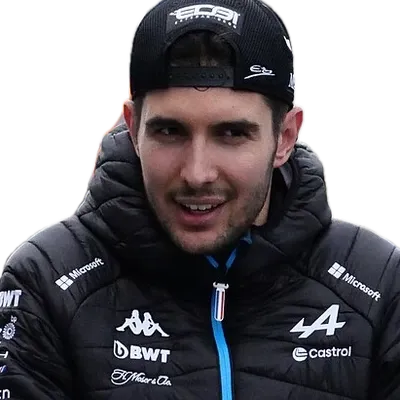 Esteban Ocon
 Haas$7mEstimated▲ $2m above IsackRead the profile
Photo and logo credits
Openly licensed via Wikimedia Commons; a driver shown with initials has no portrait yet.
- Esteban Ocon: Rrtb505050, CC0
- Nico Hülkenberg: Marc Alvarado, CC BY-SA 2.0
- Valtteri Bottas: Yu Chu Chin, CC BY-SA 4.0
- Hero and alert photos: Press Service of the President of the Republic of Azerbaijan, CC BY 4.0
- Team cars, 2026 Chinese Grand Prix: Liauzh, CC BY 4.0
Trademarks of their owners, shown only to identify each team.
- Haas: Haas F1 Team, Public domain (trademarked logo)
- Cadillac: TedNauru, CC0
- Audi: Audi Revolut F1 Team / Sauber Motorsports AG, Public domain (trademarked logo)
Is Isack Hadjar’s Salary Included in F1’s $215 Million Cost Cap?
No, Isack Hadjar’s salary is not included in Formula 1’s $215 million cost cap. According to Formula1.com’s explainer of the cap, driver salaries and retainers are excluded from the budget calculations, and the 2026 cap is set at $215 million. The exemption allows teams like Red Bull to negotiate driver contracts without impacting their operational spending limits. The exclusion further covers the salaries of each team’s three highest-paid staff, so that investments in drivers do not reduce the budget available for car development or race operations. The regulations let Red Bull offer Hadjar a competitive package while keeping full spending capacity on technical development.
Counts toward the cap$215m
- Car development
- Team operations
Outside the cap$5m
- Race-driver salaries
- Salaries of a team's three highest-paid personnel
Why Are Driver Salaries Excluded From the Budget Cap?
Driver salaries are excluded from Formula 1’s $215 million cost cap because the financial regulations specifically categorize driver compensation as an excluded expense. Formula1.com lists driver salaries and retainers among the excluded costs, alongside legal, HR, finance and marketing costs. The exclusion lets teams focus capped spending on car development and operational efficiency without limiting their ability to attract top driving talent. The separation lets teams compensate drivers based on their performance and marketability without impacting the budget allocated for technical advancements and team operations.
Why driver pay sits outside the cap
- 1
A listed exclusion
Driver salaries and retainers are named among the excluded costs.
- 2
Alongside other costs
Legal, HR, finance and marketing costs are excluded too.
- 3
Talent stays free
Teams can pay drivers on performance and marketability without touching the technical budget.
Does Isack Hadjar Get Prize Money for Race Wins?
No, Isack Hadjar does not receive prize money directly for race wins in Formula 1. Instead, any financial reward for a race victory comes through performance bonuses stipulated in his Red Bull contract. According to an article “F1 prize money: How much do GP teams and drivers really make?” written by Cambridge Kisby for Motor Sport Magazine, May 2025, drivers do not get a cut of F1’s prize money directly. Formula 1 allocates prize money to teams based on their position in the Constructors’ Championship standings, not to individual drivers. The same article notes that a driver can negotiate a share of the team’s prize money, a point made by F1 contract lawyer Dan Chapman. Driver earnings come from their contracts with teams, which can include base salaries and performance-based bonuses. These bonuses are negotiated directly with the team and are not part of a standard prize pool from the sport’s governing bodies.
How F1 prize money flows
- 1
Formula 1
Allocates prize money to teams, not to individual drivers.
- 2
Constructors' standings
A team's position decides its share.
- 3
The driver's contract
Base salary and performance bonuses, negotiated with the team.
- 4
A possible share
A driver can negotiate a share of the team's prize money.
Who Is the Lowest-Paid Driver on the 2026 F1 Grid?
Arvid Lindblad, who joined Racing Bulls for 2026, is tied with Franco Colapinto at the bottom of the reported 2026 salaries. Both earn between $500,000 and $1 million annually, according to RacingNews365’s reported figures, as carried by NBC. Their entry-level pay highlights the gap between rookie drivers and experienced champions like Max Verstappen, whose reported base salary is about $65 million per year. The financial gap shows Formula 1’s practice of compensating rookies modestly while reserving substantial salaries for proven talents.
Lowest paid
Arvid Lindblad
Joined Racing Bulls for 2026.
Tied with
Franco Colapinto
Level at the bottom of the reported 2026 salaries.
Reported base
$500K–$1M
A range, per year, for both drivers.
What Is Isack Hadjar’s Net Worth Beyond His Racing Salary?
No verified source publicly reports a net worth figure for Isack Hadjar beyond his racing salary, so this article does not estimate one. His known income comes from his Red Bull salary, which is reported at about $5 million for 2026, and from the personal partnerships listed below, whose values are not disclosed. As a rookie in Formula 1, his accumulated wealth is limited by a short earning history, which reflects the initial stage of his career.
Hadjar’s net worth is distinct from his racing income, which represents the annual cash flow from salary, bonuses, and race-related compensation. Net worth, on the other hand, measures total accumulated assets minus liabilities, including investments, property, savings, and endorsement earnings over time. The distinction shows the long-term nature of wealth accumulation, as racing income forms just one component of Hadjar’s total financial picture.
Net worth
No verified figure
No published source reports one, so none is estimated.
Known income
Salary and partnerships
His Red Bull salary, plus partnerships whose values are not disclosed.
Why it is limited
A short earning history
He is a rookie, at the start of his career.
How Isack Hadjar Racing Income Differs From Total Net Worth
Racing income refers to the annual earnings Isack Hadjar receives from his Formula 1 contract, which includes his base salary, performance bonuses, and other race-related compensations. In contrast, total net worth covers the cumulative value of all assets Hadjar has accumulated over his career. The net worth figure would include previous racing earnings, investment portfolios, real estate holdings, business ventures, and personal sponsorship deals beyond his current team obligations. A driver’s net worth usually reflects accumulated earnings and investments over time, which makes it a broader measure of financial standing than racing income alone.
Income is a flow, net worth is a stock
Racing income
Annual earnings from his Formula 1 contract: base salary, bonuses and race-related pay.
Assets
Investments, property, business ventures and sponsorship earnings, minus liabilities.
Net worth
The cumulative value built up over a career: a broader measure than income.
Which Brands Sponsor Isack Hadjar Outside of Red Bull?
Isack Hadjar works with several brands beyond Red Bull Racing, which reflects his growing appeal in the motorsport industry and beyond. The brands that sponsor him outside Red Bull are listed below:
- Devialet: Isack Hadjar serves as the first Global Brand Ambassador for this French audio company, under a two-year partnership announced in April 2026, linking his Formula 1 profile with Devialet’s premium, performance-focused image.
- NH Expertises: This French insurance company is part of Hadjar’s brand network, highlighting his connections within France’s business community.
- Swing One: A Paris-based IT agency that partners with Hadjar, demonstrating his appeal beyond motorsport-adjacent sponsors.
- Moteur & Sens: A French luxury car retailer associated with Hadjar, adding a lifestyle and automotive-retail dimension to his sponsorship portfolio.
Brands outside Red Bull
- DevialetThe French audio company; he is its first global brand ambassador, on a two-year deal from April 2026
- NH ExpertisesA French insurance company in his brand network
- Swing OneA Paris-based IT agency that partners with him
- Moteur & SensA French luxury car retailer, adding a lifestyle and automotive dimension
How Isack Hadjar’s 2026 Salary Reflects His Rapid Rise to Red Bull
Isack Hadjar’s 2026 salary package exemplifies Red Bull Racing’s strategy of fast-tracking promising talent. Hadjar’s base salary, reported at about $5 million, marks a sharp increase from his previous earnings in junior categories. The jump, raised further by performance incentives, shows Red Bull’s confidence in Hadjar’s potential to compete at the highest level. Hadjar’s pay reflects Red Bull’s commitment to investing in drivers who demonstrate exceptional skill and readiness for Formula 1 competition.
2026 base salary
$5m
A sharp increase on his earnings in junior categories.
Red Bull's strategy
Fast-tracking talent
Investing in drivers who show skill and readiness for Formula 1.
Raised further by
Performance incentives
Bonuses on top of the base.
Isack Hadjar’s Salary in Context of His First Red Bull Season
Isack Hadjar’s salary in his first Red Bull season reflects a major advance from his rookie earnings. Hadjar’s 2026 compensation package is reported at about $7.5 million including bonuses, on a base salary of about $5 million. Pay of this kind aligns with Red Bull’s high-risk, performance-driven approach for emerging drivers. As a newcomer to Formula 1, Hadjar’s earnings are positioned at the lower end of the grid, typical for drivers at the start of their careers with a top team. Hadjar’s salary marks a key step in his career and serves as a foundation for potential future increases contingent on performance.
His first Red Bull season, step by step
- 1
Promotion
A major advance from his rookie earnings.
- 2
The 2026 package
About $7.5 million including bonuses, on a base of about $5 million.
- 3
On the grid
At the lower end of the field, typical for a driver at the start of his career.
- 4
What comes next
A foundation for future increases, contingent on performance.
Brand logo credits
Trademarks of their owners, shown only to identify each brand.
- Devialet: Wikimedia Commons
- NH Expertises: the brand’s own website
- Swing One: the brand’s own website
- Moteur & Sens: the brand’s own website