











Team marks are trademarks of their owners.
Carlos Sainz Salary
 Williams 2026 season
Carlos Sainz's 2026 Formula 1 pay: a base Williams salary of about $10 million, about $13 million with bonuses, plus $4-7 million in sponsorship.
2026 base salary
$10m
- Grid rank
- 11th
- Contract to
- 2027
- Total earnings
- $13m


Carlos Sainz’s 2026 Formula 1 salary covers his total compensation from Williams Racing, made up of a base salary, performance bonuses, and personal sponsorship income. His base salary at Williams is estimated at $10 million annually, and was agreed when he joined the team in 2025 after leaving Ferrari. Sainz’s move to Williams followed Ferrari’s signing of Lewis Hamilton for 2025, which left him without a seat.
Performance bonuses and personal sponsorship deals raise Sainz’s earnings. These bonuses are tied to his race results, including wins, podiums, and championship points. His annual pay from Williams is estimated at about $13 million including bonuses, and sponsorship income adds $4-7 million on top, reflecting his value as a four-time Grand Prix winner and a highly marketable driver. Since leaving Ferrari, where Forbes put his 2024 base salary at $10 million, Sainz’s pay has moved to a structure with a similar base and smaller bonuses, so his estimated 2026 pay sits below the $19 million Forbes reported for his 2024 on-track earnings.
Sainz’s estimated base sits below that of his Williams teammate Alex Albon, whose base salary is reported at $12 million. On the 2026 grid, Sainz ranks in the upper-middle tier, below top earners like Max Verstappen and Lewis Hamilton but ahead of many midfield drivers. Under F1’s $215 million cost cap, driver salaries are excluded, allowing teams to invest in top talent. Race wins do not bring drivers prize money directly; instead, bonuses are set in their contracts. The lowest-paid drivers on the grid earn between $500,000 and $1 million annually, according to RacingNews365. Beyond racing, Sainz’s net worth, estimated at $50 million by Celebrity Net Worth, is supported by endorsements and partnerships with brands like Estrella Galicia 0,0 and Santander.
How Much Does Carlos Sainz Earn in 2026?
Carlos Sainz earns an estimated $13 million USD from Williams in the 2026 Formula 1 season, according to an article “F1 2026 driver salaries: Who are the highest-paid drivers on the grid?” published by PlanetF1 in August 2026. That figure covers his base salary of about $10 million and bonuses of about $3 million. The main factors behind it are his multi-year contract with Williams, incentives tied to race results and championship standings, and his appeal to global brands, which add sponsorship income on top.
Sainz’s compensation places him in the upper-middle tier of the 2026 grid, reflecting his successful track record and marketability. His total earnings are built on a guaranteed base salary, variable bonuses, and ongoing endorsements.
2026 pay from Williams, on one scale
- 2026 pay from Williams (estimated)$13m
- 2026 base salary$10m
- Bonuses, about$3m
Per Grand Prix
$435k
Per point scored
$1.4m
Per day
$27k
Per hour
$1k
At that rate the retainer pays about $19 of salary every minute.
Carlos Sainz’s Base Williams Salary
Carlos Sainz’s base salary at Williams for the 2026 Formula 1 season is reported to be approximately $10 million. The $10 million base salary is the core of his compensation package, excluding bonuses and sponsorship income. The base salary reflects Williams’ commitment to securing a driver with Sainz’s experience and competitive history, as he moved from Ferrari to Williams for the 2025 season. His four Grand Prix victories give him a competitive record on the grid, although his base sits $2 million below the $12 million base reported for teammate Alex Albon, according to a player profile, “Alexander Albon” published by Spotrac.
The base salary forms the foundation of Sainz’s contractual agreement with Williams, supplemented by performance-based bonuses and personal sponsorship deals. Williams’ strategy is to use Sainz’s skills and feedback to improve the team’s performance in the constructors’ standings.
2026 base salary
$10m
Per year, from Williams. The core of his package, before bonuses and sponsorship.
Below his teammate's base
$2m
Alex Albon's reported base is higher.
Grand Prix wins
4
A competitive record that backs his value to Williams.
Carlos Sainz’s Williams Contract Length and Value
Carlos Sainz’s contract with Williams Racing spans multiple years. Williams announced a new multi-year contract on 19 August 2026, and Sainz is contracted to remain at the team until at least the end of the 2027 season, according to the encyclopedia entry “Carlos Sainz Jr.” on Wikipedia. No contract value has been confirmed, so the figures in circulation are unverified estimates. The agreement reflects Williams Racing’s commitment to Sainz’s experience and skill, with the aim of improving the team’s performance under new technical regulations. The contract gives Sainz financial security and fits Williams’ strategic goals.
New contract announced
19 Aug 2026
A new multi-year deal with Williams.
Contracted until at least
2027
The end of the 2027 season.
Contract value
Not confirmed
Figures in circulation are unverified estimates.
Why Did Carlos Sainz Move From Ferrari to Williams?
Carlos Sainz moved from Ferrari to Williams mainly because Ferrari signed Lewis Hamilton for the 2025 season, which left no seat available for Sainz despite his strong performances, according to an article “Carlos Sainz signs multi-year deal with Williams from 2025” published by ESPN. Sainz then had to look at other opportunities among top teams, most of which had already filled their lineups. Williams was the most promising option, offering Sainz a multi-year contract, a competitive salary package, and the chance to help the team’s ambitious plans to climb the Formula 1 rankings under new ownership and technical leadership. The move allowed Sainz to keep his status as a race-winning driver while securing his future in Formula 1. He officially joined Williams for the 2025 season.
Why he left Ferrari
- 1
Hamilton signs
Ferrari signs Lewis Hamilton for 2025.
- 2
No seat
That leaves Sainz without a drive despite his strong performances.
- 3
Few options
Most top teams had already filled their line-ups.
- 4
Williams
A multi-year contract and a competitive package, under new ownership and technical leadership.
When Did Carlos Sainz Join Williams?
Carlos Sainz joined Williams Racing for the 2025 Formula 1 season, with the move announced in 2024, according to ESPN. Sainz transitioned from Ferrari to Williams after Lewis Hamilton’s arrival at Ferrari displaced him. The transition was effective immediately after his contract with Ferrari ended in 2024.
Joined Williams
2025
For the 2025 Formula 1 season.
Move announced
2024
Before his Ferrari contract ended.
Moved from
Ferrari
Displaced by Hamilton's arrival.
What Bonuses Does Carlos Sainz Earn on Top of His Base Salary?
Carlos Sainz’s compensation at Williams includes a structured bonus system that adds to his base salary. Bonuses of this kind are standard in Formula 1, linking financial rewards to performance outcomes. Drivers like Sainz receive additional incentives based on race results, such as wins, podium finishes, and points scored during the season. These bonuses are designed to motivate drivers to achieve competitive success, directly affecting their total earnings.
The 2026 breakdown puts his performance bonuses at about $3 million on top of a $10 million base. Although exact figures remain confidential, bonuses usually include payments for race victories, podium placements, and cumulative points milestones. The structure ties Sainz’s financial success to both his individual performance and the team’s on-track achievements.
While Williams has not publicly disclosed the exact bonus thresholds, it is common for F1 contracts to have tiered payments that rise with higher achievements. As a result, Sainz’s earnings change with his performance and Williams’ competitiveness.
2026 bonuses, about
$3m
On top of a base of about $10 million.
Bonus thresholds
Not disclosed
Williams has not made the exact thresholds public.
How bonuses usually work
Tiered payments
They rise with higher achievements, so his earnings move with performance.
Carlos Sainz Win and Podium Bonuses
Carlos Sainz’s win and podium bonuses are key components of his Williams contract, designed to reward high performance in Formula 1 races. For each race win, Sainz reportedly earns a bonus, although the per-race amount is not public. Podium finishes, while slightly less rewarding than outright wins, add to his total earnings as well. These bonuses are structured to reward positions such as first, second, and third place, with each position offering a different payout, reflecting the competitive nature of Formula 1 racing.
Sainz’s performance-based bonuses add about $3 million to his base salary in the 2026 breakdown, with exact clause amounts kept private within the contract terms. This arrangement ties his financial rewards to his on-track achievements.
Per race victory
Not public
He reportedly earns a bonus per win, but the amount is private.
Per podium finish
Not public
Slightly less rewarding than a win, but it adds to his earnings.
Positions rewarded
P1 · P2 · P3
Each position carries a different payout.
Carlos Sainz Points and Championship Bonuses
Carlos Sainz’s points and championship bonuses in his Williams contract are structured to reward performance. These bonuses are tied directly to the Formula 1 points system and championship standings. Williams has not publicly disclosed exact figures or payment thresholds for these bonuses. These performance-based incentives tie Sainz’s financial rewards to both his individual achievements and Williams’ objectives to improve their standing in the Constructors’ Championship.
Per championship point
Not disclosed
Tied directly to the Formula 1 points system.
Championship standings
Not disclosed
Williams has not disclosed figures or thresholds.
Tied to
Points and standings
Aligned with Williams' aim to improve its constructors' standing.
How Much Does Carlos Sainz Make From Sponsorships and Endorsements?
Celebrity Net Worth estimates that Sainz earns between $4 million and $7 million annually from his personal brand partnerships. The range reflects his marketability as a successful Formula 1 driver and his appeal in the Spanish and European markets.
Sainz’s endorsement income is driven by his association with several high-profile brands. These partnerships are financially rewarding and raise his visibility and influence in motorsport and broader consumer markets. His strong social media presence adds to his value to sponsors, who use his reach for digital engagement and brand promotion.
The sponsorship deals are independently negotiated, giving Sainz financial stability regardless of his team’s performance. This large income from endorsements adds to his Williams base salary and performance bonuses, forming a complete compensation package. Sainz’s ability to attract premium sponsorships shows his status as one of Formula 1’s commercially attractive drivers.
Sponsorship income, per year
$4m–$7m
An estimate of his personal brand partnerships.
Strongest markets
Spain and Europe
His appeal there drives the endorsement income.
Social media
Strong presence
Sponsors use his reach for digital engagement.
Carlos Sainz’s Major Brand Partnerships
Carlos Sainz has built partnerships with two well-known brands, showing his marketability beyond the racing circuit. These partnerships raise his brand image and make a major contribution to his total earnings.
- Estrella Galicia 0,0: The Spanish non-alcoholic beer brand has supported Sainz since 2013, drawing on his strong appeal in the Spanish market. In 2026 it became a Williams team partner, appearing on the FW48 car and both drivers’ helmets, according to an article “Loyal Carlos Sainz sponsor joins Williams after Santander exit confirmed” published by PlanetF1 in February 2026.
- Santander: The Spanish banking group was a long-term personal sponsor of Sainz, building on its connection to Spanish motorsport. Its partnership with Williams ended after one season, in 2025, according to the same PlanetF1 article.
Major brand partnerships
 Estrella Galicia 0,0The Spanish non-alcoholic beer brand; a supporter since 2013, and a Williams team partner in 2026
 SantanderThe Spanish banking group; a long-term personal sponsor, whose Williams partnership ended after 2025
What Is Carlos Sainz’s Total Annual Earnings?
Carlos Sainz’s total annual earnings for 2026 are the sum of his pay from Williams, including base salary and performance bonuses, plus personal sponsorship income. His pay from Williams is estimated at $13 million, and sponsorship adds $4-7 million, for a combined figure of roughly $17-20 million. That combined figure is a sum of the two estimates rather than a published total. At that level, he sits among the mid-to-upper tier of Formula 1 drivers by earnings, although below the top earners at teams like Red Bull and Mercedes.
Carlos Sainz’s earnings are built on three main components: a fixed base salary from Williams, variable bonuses linked to race performance and championship standings, and income from sponsorships and endorsements.
Pay from Williams
$13m
Base salary and bonuses together.
Sponsorship income, per year
$4m–$7m
Added on top of his Williams pay.
Combined, roughly
$17m–$20m
A sum of the two estimates, not a published total.
Carlos Sainz Base Salary vs Bonus vs Sponsorship Breakdown
Carlos Sainz’s total annual earnings for 2026 come from three main components at Williams Racing:
- Base Salary: Carlos Sainz’s base salary at Williams is estimated at about $10 million annually, according to PlanetF1, providing the core of his income.
- Performance Bonuses: These bonuses add about $3 million, depending on race wins, podium finishes, and championship standings.
- Sponsorship and Endorsements: Personal sponsorships and endorsements are estimated at $4-7 million each year, according to Celebrity Net Worth.
How the 2026 estimate breaks down
2026 combined earnings$17m–$20m
- Base salary$10m
- Bonuses$3m
- Sponsorships and endorsements$4m–$7m
- Up to the top of the total range
How Has Carlos Sainz’s Salary Changed Since Leaving Ferrari?
Carlos Sainz’s salary changed after he left Ferrari. At Ferrari, Sainz earned a base salary of approximately $10 million annually, according to Forbes’ 2024 ranking of the highest-paid drivers. Upon joining Williams, his estimated 2026 base is about $10 million, so the base has held steady rather than risen. The change in his earnings comes from the bonus element, which Forbes put at $9 million for his 2024 Ferrari season against roughly $3 million at Williams in 2026. The bonus component is what has shifted most.
The changes in Sainz’s salary show the strategic decisions behind his move from Ferrari to Williams. The move followed Ferrari’s signing of Lewis Hamilton, which left Sainz without a seat at Maranello. Williams offered Sainz a multi-year contract with substantial performance incentives, in line with the team’s goal of improving competitiveness. The contract allows Sainz to raise his earnings through bonuses tied to race results and team improvements.
Base salary and bonuses, Ferrari against Williams
- Base salary
- Bonuses and other earnings
Carlos Sainz’s Final Ferrari Contract
Carlos Sainz’s final contract with Ferrari, covering the 2024 season, was valued at approximately $10 million annually in base salary, as Forbes reported. The contract reflected his status as a successful race winner, having secured multiple podiums and victories, including a notable win at the 2024 Australian Grand Prix. Despite his strong performance, Ferrari chose not to renew his contract because of its decision to sign Lewis Hamilton for the 2025 season. The contract placed Sainz among the well-compensated drivers, although his earnings were slightly below the top-tier salaries commanded by drivers like Charles Leclerc. The contract marked the end of Sainz’s four-year tenure with Ferrari.
Final Ferrari season
2024
His last contract there covered 2024, including a win at the Australian Grand Prix.
Time at Ferrari
Four years
The contract marked the end of his tenure.
Why it ended
Hamilton signed
Ferrari chose not to renew, because it signed Lewis Hamilton for 2025.
Carlos Sainz’s Williams Pay Rise
Carlos Sainz’s transition to Williams in 2025 did not bring a higher base salary in the figures available, despite his status as a top-tier Formula 1 driver. His estimated 2026 base at Williams is about $10 million, level with the Ferrari base reported for 2024, so his earnings growth rests on bonuses rather than the base.
The structure of Sainz’s contract at Williams rewards him for his on-track achievements and for his technical feedback and development input, which matters as the team aims for competitiveness under new regulations. The Williams investment shows the value the team places on Sainz’s experience and potential to contribute to its growth. Compensation packages of this kind are common for drivers of Sainz’s caliber, who bring both speed and engineering insight to their teams.
Change in base salary
None
His 2026 base is level with his 2024 Ferrari base.
Where growth comes from
Bonuses
His earnings growth rests on bonuses, not on the base.
Also rewarded for
Technical feedback
His development input matters as Williams aims for competitiveness under new regulations.
Why Do F1 Drivers Like Carlos Sainz Earn So Much?
Formula 1 drivers like Carlos Sainz earn substantial salaries due to a combination of elite driving skills, marketability, and their contribution to team success. F1 drivers have rare abilities built through years of training, allowing them to perform at the highest level in one of the most prestigious sports. The scarcity of seats on the F1 grid, with only 20 available, increases the value of proven talent like Sainz, who brings both experience and a race-winning pedigree.
Beyond driving ability, F1 drivers generate considerable commercial value through global media exposure and sponsorship opportunities. The sport’s massive viewership and commercial platform make drivers like Sainz attractive to sponsors, which raises their earning potential. Drivers are key assets in the sport’s commercial network, helping teams attract sponsors.
The financial structure of Formula 1 allows high driver pay, as salaries are excluded from the $215 million cost cap, which lets well-funded teams invest in top talent without affecting technical budgets. Sainz’s salary reflects his ability to deliver on-track performance and his marketability across key markets, making him a useful asset for teams like Williams.
Why the top fees follow
- 1
Rare skills
Abilities built through years of training, at the highest level of the sport.
- 2
Scarce seats
Only 20 seats on the grid raise the value of proven talent.
- 3
Commercial value
Global media exposure and sponsorship opportunities.
- 4
Outside the cap
Driver pay is excluded from the cost cap, so teams can invest in talent.
How F1 Driver Pay Reflects Performance and Marketability
F1 driver pay is closely tied to both on-track performance and off-track marketability. Successful drivers who consistently achieve race wins and podium finishes can command higher salaries due to their proven capabilities in delivering results. Marketability plays a major role, as drivers with strong personal brands, large social media followings, and appeal in key markets are more attractive to sponsors. Top-paid drivers usually combine strong results with marketability, which helps explain why drivers like Carlos Sainz receive substantial compensation packages.
What a driver's pay rests on
Performance
Race wins and podiums show a proven ability to deliver results.
Marketability
Strong personal brands and social followings attract sponsors.
Sainz's case
Both help explain a substantial compensation package.
How Does Carlos Sainz’s Salary Compare to His Williams Teammate Alex Albon?
Carlos Sainz’s base salary in 2026 is lower than that of his Williams teammate Alex Albon. Sainz’s package is estimated at about $10 million base plus roughly $3 million in bonuses, according to PlanetF1. Alex Albon’s base salary is set at $12 million, according to a player profile, “Alexander Albon” published by Spotrac. No verified total for Albon is available, so a full package comparison is not possible.
Sainz’s bonuses are estimated at about $3 million a year, but no verified bonus figure exists for Alex Albon, so the bonus gap cannot be quantified. Celebrity Net Worth estimates Sainz’s endorsement income at $4-7 million a year, and no verified sponsorship figure exists for Albon. On the verified figures, the base comparison is the clearest difference, and it runs in Albon’s favor.
Base salary, 2026
 Carlos Sainz$10m
 Alex Albon$12m
Base Salary: Sainz vs Albon
Carlos Sainz’s base salary at Williams in 2026 is approximately $10 million USD, which sits $2 million below Alex Albon’s $12 million USD base, according to Spotrac. Sainz’s bonuses of about $3 million are what lift his total package above his base, while Albon’s reported base alone already exceeds Sainz’s.
Base salary gap
$2m
In Albon's favour, in base pay alone.
Higher base
Alex Albon
His reported base alone already exceeds Sainz's.
What lifts Sainz's total
Bonuses
Bonuses of about $3 million raise his package above his base.
Bonuses and Sponsorship: Sainz vs Albon
Sainz’s bonuses are estimated at about $3 million a year, according to PlanetF1, but no verified bonus figure exists for Alex Albon, so the bonus comparison cannot be quantified. Celebrity Net Worth estimates Sainz’s endorsement income at $4-7 million a year, and no verified sponsorship figure exists for Albon. Sainz’s brand income is therefore the better-documented part of his off-track earnings, though the comparison with Albon remains incomplete.
Bonuses and sponsorship, side by side
- Bonuses
- Carlos Sainz$3m
- Alex AlbonNo verified figure
- Endorsements
- Carlos Sainz$4m–$7m
- Alex AlbonNo verified figure
Where Does Carlos Sainz Rank Among F1’s Highest-Paid Drivers in 2026?
Carlos Sainz’s estimated 2026 total places him in the upper-middle of the grid rather than the top tier. This ranking places him below elite earners like Max Verstappen, Lewis Hamilton, and Charles Leclerc, who occupy the top positions, but ahead of many in the midfield. Sainz’s salary reflects his status as an experienced race winner with considerable market value, raised by performance-linked income.
The salary structure of Formula 1 shows a clear divide between top-tier teams and others. While Max Verstappen and Lewis Hamilton command salaries of $60 million or more, according to RacingNews365, Sainz’s deal with Williams is more modest but still generous by mid-field standards. His earnings are above those of rookies such as Arvid Lindblad and Franco Colapinto, reflecting his reputation and experience.
Position on the grid
Upper-middle tier
An experienced race winner with considerable market value.
Below
Verstappen, Hamilton, Leclerc
The elite earners in the top positions.
Ahead of
Many in the midfield
Including rookies such as Arvid Lindblad and Franco Colapinto.
How Carlos Sainz’s Pay Compares to His Former Ferrari Teammate Charles Leclerc
Carlos Sainz’s salary at Williams in 2026 is lower than Charles Leclerc’s earnings at Ferrari. Sainz’s base salary is approximately $10 million, while Leclerc earns around $34 million annually, according to an article “Charles Leclerc” published by Spotrac. This large gap shows Ferrari’s financial capacity and Leclerc’s role as a key driver. Leclerc’s long-term contract with Ferrari places him among the highest-paid drivers on the grid, reflecting his position as a team leader. Although Sainz’s total income might narrow the gap through bonuses and sponsorships, his base salary remains considerably less than Leclerc’s.
Base salary against his former teammate
 Charles Leclerc$34m
- Carlos Sainz$10m
Carlos Sainz vs the Rest of the 2026 Grid
Carlos Sainz’s salary in 2026 places him in the mid-to-upper tier of the Formula 1 grid. His compensation package is estimated at around $13 million, reflecting his status as a proven race winner and experienced competitor. Despite a pay reduction from his Ferrari days, Sainz’s earnings remain well above those of rookie drivers such as Arvid Lindblad and Franco Colapinto, who earn between $500,000 and $1 million annually.
Sainz’s salary is comparable to that of established midfield drivers such as Fernando Alonso, Nico Hülkenberg, and Pierre Gasly, all of whom bring veteran experience and consistent point-scoring ability to their teams. However, his earnings are lower than those of the sport’s top earners like Max Verstappen, Lewis Hamilton, and Charles Leclerc, who command salaries ranging from $34 million to $70 million, according to RacingNews365 and Spotrac.
Against the rest of the grid
 Max Verstappen$70m
- Charles Leclerc$34m
- Carlos Sainz$13m
 Arvid Lindblad$500k–$1m
 Franco Colapinto$500k–$1m
More driver salaries
Other drivers on the 2026 grid, with how each compares to Carlos. Open one for their pay history and contract.
- #12 on the 2026 pay scale
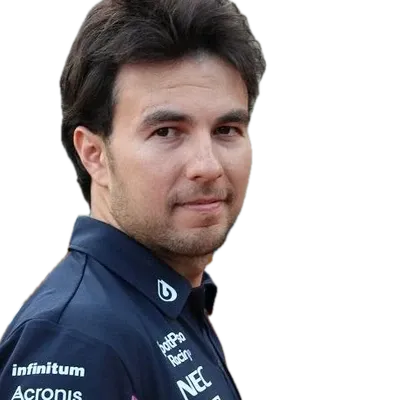 Sergio Pérez
 Cadillac$8mEstimated▼ $2m below CarlosRead the profile
- #13 on the 2026 pay scale
 Nico Hülkenberg
 Audi$7mEstimated▼ $3m below CarlosRead the profile
- #13 on the 2026 pay scale
 Esteban Ocon
 Haas$7mEstimated▼ $3m below CarlosRead the profile
Photo and logo credits
Openly licensed via Wikimedia Commons; a driver shown with initials has no portrait yet.
- Esteban Ocon: Rrtb505050, CC0
- Nico Hülkenberg: Marc Alvarado, CC BY-SA 2.0
- Sergio Pérez: XaviYuahanda, CC BY-SA 4.0
- Hero and alert photos: Press Service of the President of the Republic of Azerbaijan, CC BY 4.0
- Team cars, 2026 Chinese Grand Prix: Liauzh, CC BY 4.0
Trademarks of their owners, shown only to identify each team.
- Haas: Haas F1 Team, Public domain (trademarked logo)
- Cadillac: TedNauru, CC0
- Audi: Audi Revolut F1 Team / Sauber Motorsports AG, Public domain (trademarked logo)
Is Carlos Sainz’s Salary Included in F1’s $215 Million Cost Cap?
No, Carlos Sainz’s salary is not included in Formula 1’s $215 million cost cap. According to an article “EXPLAINED: What is the F1 cost cap and why has it gone up?” published by Formula1.com, driver salaries and retainers are excluded from the cap calculations. The exemption lets teams pay drivers like Carlos Sainz without affecting the financial limits set for operational and technical expenditures. The exclusion of driver and top executive salaries lets teams can negotiate competitive compensation packages based on market value and performance. This approach keeps the driver market competitive while controlling other escalating costs within the sport. Consequently, Williams can allocate its full cost cap to improve car performance and team operations, unaffected by Sainz’s salary.
Counts toward the cap$215m
- Car development
- Team operations
Outside the cap$10m
- Race-driver salaries
- Salaries of a team's three highest-paid personnel
Why Are Driver Salaries Excluded From the Budget Cap?
Driver salaries are excluded from Formula 1’s budget cap, which Formula1.com’s cost cap explainer lists alongside the salaries of the three highest-paid staff. The rule lets teams invest in their drivers without reducing the budget for car development and operations.
Why driver pay sits outside the cap
- 1
Listed as excluded
Driver salaries are named as excluded from the cap.
- 2
Alongside top staff
The cap explainer lists them with the three highest-paid staff.
- 3
Free to invest
Teams can invest in drivers without reducing the budget for car development and operations.
Does Carlos Sainz Get Prize Money for Race Wins?
No, Carlos Sainz does not receive direct prize money from Formula 1 for race wins. Instead, financial rewards for victories are usually structured as bonuses within his contract with Williams. In Formula 1, prize money is paid to teams, which decide how to allocate resources, including driver bonuses. Any additional earnings Sainz receives for winning races come from performance bonuses specified in his contract with Williams, not directly from the sport’s prize fund.
How F1 prize money flows
- 1
Formula 1
Prize money is paid to teams, not to drivers.
- 2
The team
Teams decide how to allocate it, including driver bonuses.
- 3
Williams
Pays Sainz under his contract.
- 4
Performance bonuses
A win's reward comes from contract bonuses, not the sport's prize fund.
Who Is the Lowest-Paid Driver on the 2026 F1 Grid?
The lowest-paid drivers on the 2026 Formula 1 grid are Arvid Lindblad and Franco Colapinto. Both drivers have an estimated salary ranging from $500,000 to $1 million, according to RacingNews365’s 2026 salary table. This salary range is far lower than that of established drivers, who command higher pay due to their experience and marketability. RacingNews365’s table places Lindblad and Colapinto at the bottom of the pay scale, showing the financial gap between newcomers and experienced racers.
Lowest paid
Arvid Lindblad
Joined the grid as a rookie.
Tied with
Franco Colapinto
Level at the bottom of the pay scale.
Estimated salary
$500K–$1M
A range, per year, for both drivers.
What Is Carlos Sainz’s Net Worth Beyond His Racing Salary?
Carlos Sainz’s net worth beyond his racing salary is estimated to be $50 million in 2026, according to Celebrity Net Worth. This figure reflects the value of assets he has acquired throughout his career in Formula 1, rather than a single season’s pay. While his racing salary from Williams forms a major part of his annual income, Sainz’s net worth reflects the total value of assets he has acquired throughout his career in Formula 1. His wealth comes from his contracts with teams such as McLaren, Ferrari, and Williams, along with his returns from investments and a varied sponsorship portfolio. This places him among the sport’s financially successful drivers, with wealth that extends beyond his annual earnings.
Estimated net worth, 2026
$50m
The accumulated value of his career assets, not a single season's pay.
Built from
Contracts and investments
Team contracts, investments and a varied sponsorship portfolio.
Contracts with
McLaren · Ferrari · Williams
Teams whose pay feeds the total.
How Carlos Sainz Racing Income Differs From Total Net Worth
Racing income refers to the annual earnings a driver receives from their team salary, bonuses, and race-related activities. In contrast, total net worth covers the cumulative value of all assets accumulated over a career, including investments, property, and previous earnings. For Carlos Sainz, his 2026 Williams salary and bonuses represent just one year of racing income. His net worth reflects years of earnings from teams like Ferrari, McLaren, Renault, and Toro Rosso. A driver’s total wealth usually exceeds any single season’s compensation package.
Income is a flow, net worth is a stock
Racing income
His 2026 Williams salary and bonuses: one year of earnings.
Career earnings
Years of pay from Ferrari, McLaren, Renault and Toro Rosso, plus investments and property.
Net worth
The cumulative value of all assets, which usually exceeds any single season's package.
Which Brands Sponsor Carlos Sainz Outside of Williams?
Carlos Sainz’s career extends beyond the racetrack through brand partnerships that raise his marketability and personal brand. These sponsorships add to his financial earnings and increase his visibility in different markets.
- Estrella Galicia 0,0: The Spanish beer brand has been a longstanding supporter of Sainz since 2013, drawing on his popularity in Spain and across Europe through promotional campaigns and brand ambassadorship, according to PlanetF1.
- Santander: The Spanish banking group was a long-term personal sponsor of Sainz, and its Williams partnership ended after the 2025 season.
Brands outside Williams
- Estrella Galicia 0,0The Spanish beer brand; a supporter since 2013, drawing on his popularity in Spain and across Europe
- SantanderThe Spanish banking group; a long-term personal sponsor, whose Williams partnership ended after 2025
How Carlos Sainz’s 2026 Salary Reflects His New Chapter at Williams
Carlos Sainz’s 2026 salary marks a key point in his career, showing his role at Williams as a leading driver in the team’s strategic growth. His salary package, reportedly about $13 million in total with a base of about $10 million, shows his value as an experienced race winner and the team’s commitment to building a competitive future. The compensation structure combines a substantial base salary with performance-related bonuses, giving Sainz a reason to deliver strong results that could raise his earnings and lift Williams’ championship standing.
2026 package, about
$13m
Base salary plus bonuses.
2026 base salary
$10m
A substantial base, with bonuses on top.
His role
Leading driver
Central to the team's strategic growth.
Carlos Sainz’s Salary in Context of His Williams Career
Carlos Sainz’s salary at Williams represents a strategic investment in an experienced driver known for his race-winning ability and commercial appeal. His compensation package, below his 2024 Ferrari total of $19 million, reflects the team’s aim to improve its standing in the constructors’ rankings. This salary structure combines a competitive base with performance-related bonuses and personal sponsorship opportunities, showing Sainz’s role in leading Williams’ resurgence.
How Williams sees it
Strategic investment
In an experienced driver known for race-winning ability and commercial appeal.
2024 Ferrari total
$19m
His 2026 package sits below this.
Structure
Base, bonuses, sponsorship
A competitive base with performance-related bonuses and personal deals.
Brand logo credits
Trademarks of their owners, shown only to identify each brand.
- Estrella Galicia 0,0: Wikimedia Commons
- Santander: Wikimedia Commons