
Yuki Tsunoda Salary
 Red Bull Racing 2026 season
Yuki Tsunoda's 2026 reserve-driver pay: an estimated $400,000–$800,000 retainer with Red Bull and Racing Bulls, plus call-up fees and sponsorships.
2026 base salary
$400k–$800k
- Grid rank
- —
- Contract to
- —
- With bonuses
- Not published
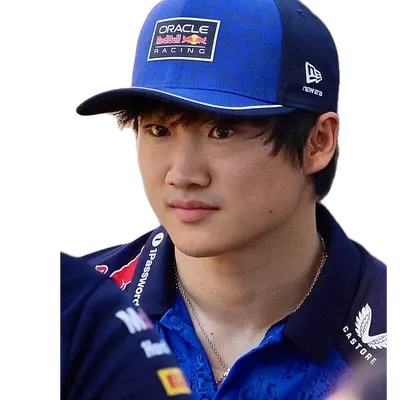

Yuki Tsunoda’s estimated 2026 reserve-driver pay is $530,000–$930,000 USD, including a $400,000–$800,000 retainer and up to $130,000 from three potential race call-ups. Tsunoda serves as reserve and test driver for Red Bull Racing and Racing Bulls, so his pay reflects availability and technical work rather than a full-time race contract. Estimates place his call-up fee near $43,000 per Grand Prix start; no reliable public source confirms reserve-driver performance bonuses.
Tsunoda’s sponsorship and endorsement income is estimated at about $550,000 per year, though contract values remain undisclosed. Honda is his principal commercial partner, while reported deals include Arai Helmet, Horo, Agon Managements, Platz, XMTrading, RDS, Meta Planning, GMG and Marina Bay Sands. His estimated total from retainer and three call-ups is $530,000–$930,000 before sponsorship income. Reported salary estimates rose from about $500,000 at his 2021 AlphaTauri debut to $2 million in 2025, then fell when Red Bull selected Isack Hadjar for its 2026 race seat.
Hadjar’s reported $5 million race salary substantially exceeds Tsunoda’s reserve retainer, which places Tsunoda near the lower end of F1’s full-time driver pay scale. Driver salaries sit outside the reported $215 million cost cap, according to PlanetF1; Tsunoda receives no publicly confirmed direct prize money from race starts. His estimated net worth is about $5 million, a separate measure from annual income. His 2026 earnings remain reserve pay plus possible call-up fees and estimated sponsorship income.
How Much Does Yuki Tsunoda Earn in 2026?
Yuki Tsunoda’s estimated 2026 reserve-driver earnings total $530,000–$930,000 USD, including his retainer and potential call-up pay. The estimate combines a projected $400,000–$800,000 retainer with about $130,000 for three potential race starts; Red Bull has not publicly confirmed his contract.
Tsunoda’s 2026 earnings depend mainly on his reserve and test-driver agreement and any race call-ups. PlanetF1’s salary reporting provides a comparison for reported F1 pay, but does not confirm Tsunoda’s private 2026 terms. The retainer accounts for the largest share of the estimate, as outlined below.
Yuki Tsunoda's Estimated 2026 Reserve Pay
Retainer plus call-ups$530k–$930k
- Reserve retainer$400k–$800k
- Three potential race starts$130k
- Up to the top of the total range
Tsunoda’s Red Bull and Racing Bulls Reserve Retainer
Yuki Tsunoda’s estimated 2026 reserve retainer is US$400,000–$800,000 per year. The estimate reflects his reserve and test-driver duties for Red Bull Racing and Racing Bulls, including simulator work, testing, and race-weekend support. The teams have not publicly confirmed his contract value, so the range remains an industry estimate rather than a disclosed salary.
Tsunoda’s retainer covers his ongoing reserve role; any payment for a Grand Prix call-up would be separate. The PlanetF1 salary report discusses F1 driver pay and the cost cap but does not verify Tsunoda’s reserve-retainer figure.
Role
Reserve and test driver
For Red Bull Racing and Racing Bulls.
What the retainer covers
Ongoing reserve duties
Simulator work, testing and race-weekend support. Any Grand Prix call-up payment would be separate.
Figure status
Estimate only
The teams have not publicly confirmed his contract value.
Tsunoda’s Weekly, Monthly and Per-Grand-Prix Pay Breakdown
Tsunoda’s estimated reserve retainer equals about $8,000–$15,000 per week, $33,000–$67,000 per month, or $17,000–$35,000 per Grand Prix. The figures convert a reported $400,000–$800,000 annual retainer across 52 weeks, 12 months, and 23 races; they exclude call-up pay, bonuses, and sponsorship income.
- Weekly: approximately $8,000–$15,000
- Monthly: approximately $33,000–$67,000
- Per Grand Prix: approximately $17,000–$35,000, averaged over 23 races
The weekly, monthly, and per-Grand-Prix figures are arithmetic estimates, not disclosed contract rates. No verifiable source confirms the underlying retainer estimate.
Tsunoda's Retainer by Week, Month and Grand Prix
- Per week$8k–$15k
- Per month$33k–$67k
- Per Grand Prix$17k–$35k
Why Is Tsunoda a Reserve Driver Instead of Red Bull’s Race Driver in 2026?
Tsunoda is a reserve driver instead of Red Bull’s race driver in 2026 because Red Bull selected Isack Hadjar for the seat after Tsunoda scored 33 points during a difficult 2025 campaign. Hadjar impressed in his rookie season with Racing Bulls, and Red Bull judged him to have stronger long-term potential. Tsunoda remained with the organization as a reserve and test driver for Red Bull Racing and Racing Bulls. His reserve role provides call-up pay when he fills in for either team.
Points in 2025
33
Scored during a difficult campaign.
2026 Red Bull race seat
Isack Hadjar
Red Bull judged him to have stronger long-term potential.
Tsunoda's 2026 role
Reserve and test driver
It provides call-up pay when he fills in for either team.
What Is Tsunoda’s Call-Up Pay for Filling In at Red Bull and Racing Bulls?
Yuki Tsunoda’s estimated call-up pay is about US$43,000 for each 2026 Grand Prix start. The reported estimate comes from a reserve-driver package that values three race appearances at approximately US$130,000.
Tsunoda earns the additional fee when he replaces a regular Red Bull Racing or Racing Bulls driver and starts a Grand Prix. Remaining available as a reserve driver does not trigger the per-start payment.
Call-up pay per start
$43k
Estimated, for each Grand Prix start in 2026.
What triggers it
A Grand Prix start
Replacing a regular Red Bull Racing or Racing Bulls driver.
Staying available
No per-start fee
Remaining available as a reserve driver does not trigger the payment.
Tsunoda’s Three 2026 Grand Prix Starts and Call-Up Earnings
Tsunoda made three Grand Prix starts in 2026, at Zandvoort, Monza, and Madrid, each time covering Liam Lawson’s seat at Racing Bulls while Lawson stood in for the injured Isack Hadjar at Red Bull, according to Formula1.com’s race-weekend lineup reporting. No reliable source confirms his call-up fee for any of the three starts.
- Dutch Grand Prix, Zandvoort: Tsunoda filled in for Racing Bulls; per-race earnings were not publicly reported.
- Italian Grand Prix, Monza: Tsunoda finished 10th and scored one point; per-race earnings were not publicly reported.
- Spanish Grand Prix, Madrid: Tsunoda finished 14th; call-up pay was not publicly reported.
Dutch GP, Zandvoort
Filled in
For Racing Bulls. Per-race earnings were not publicly reported.
Italian GP, Monza
10th
Scored one point. Per-race earnings were not publicly reported.
Spanish GP, Madrid
14th
Call-up pay was not publicly reported.
Call-Up Pay vs a Full-Time Race Salary
Tsunoda’s estimated call-up pay of about $43,000 per Grand Prix start is far below a full-time Formula 1 race salary. A race contract pays an annual base salary, while a reserve driver earns a retainer and receives additional pay only for race starts.
Three estimated 2026 starts would bring Tsunoda about $130,000 in call-up fees. In comparison, Isack Hadjar’s estimated Red Bull race salary is about $5 million for the season, before any potential bonuses, according to Spotrac’s contract-tracking data, which attributes the figure to Racing365.
Reserve deal
Retainer plus start pay
Additional pay comes only from race starts.
Race contract
Annual base salary
Far above his estimated call-up pay.
Does Tsunoda Earn Performance Bonuses as a Reserve Driver?
No, public reporting does not confirm a performance-bonus guarantee or amount in Yuki Tsunoda’s 2026 reserve-driver agreement. Available estimates identify his annual retainer and possible race call-up pay, but disclose no separate bonus for points, finishes, or other results.
Tsunoda’s reported call-up fee of about $43,000 per race start is separate from any performance incentive. The absence of public bonus details does not establish whether his contract contains undisclosed terms.
Performance bonus
Not confirmed
Public reporting confirms no guarantee or amount.
Call-up fee
Separate
His reported fee is separate from any performance incentive.
Undisclosed terms
Unknown
The absence of public details does not establish whether his contract contains them.
How Much Does Tsunoda Earn From Sponsorships and Endorsements?
Yuki Tsunoda’s sponsorship and endorsement income is estimated at about $550,000 per year. A 2025 industry-style earnings estimate places his annual commercial income between $300,000 and $800,000, but private contract values remain undisclosed.
RacingNews365’s “Yuki Tsunoda Net Worth 2025: Salary, Sponsors & More” lists Honda as Tsunoda’s longest-running commercial partnership, alongside deals involving Arai Helmet, Platz, Horo, GMG, and Marina Bay Sands. The $550,000 figure is an estimate, not a confirmed payment total.
Tsunoda's Sponsorship and Endorsement Income
- Estimate per year$550k
- 2025 estimate range$300k–$800k
Tsunoda’s Honda Partnership and Other Brand Deals
- Honda: Tsunoda has longstanding support through Honda’s driver-development program and marketing activities.
- Honda Racing: Honda has backed Tsunoda across his Formula 1 career, including his AlphaTauri and Red Bull team years.
- 2026 relationship: Honda’s Formula 1 partnership shifts to Aston Martin, while Tsunoda remains a Red Bull and Racing Bulls reserve and test driver.
- Other brand deals: Public sources do not confirm a complete, reliable list of Tsunoda’s non-Honda sponsors or their contract values.
Tsunoda's Honda Partnership and Other Deals
Driver development
Longstanding support through Honda's driver-development program and marketing activities.
Formula 1 career
Honda has backed him across his career, including his AlphaTauri and Red Bull team years.
2026 relationship
Honda's Formula 1 partnership shifts to Aston Martin, while he remains a Red Bull and Racing Bulls reserve.
Other brand deals
Public sources confirm no complete, reliable list of non-Honda sponsors or their contract values.
What Is Tsunoda’s Total Income Across Retainer, Call-Up Pay and Sponsorships?
Yuki Tsunoda’s estimated 2026 retainer and call-up income ranges from $530,000 to $930,000, before sponsorships. The estimate adds a reported $400,000–$800,000 reserve retainer to about $129,000 for three call-ups at roughly $43,000 per start; no public contract confirms these figures.
Tsunoda’s Honda partnership and other endorsements may add income, but their 2026 values are not publicly disclosed. The PlanetF1 salary report covers 2025 race-driver pay rather than Tsunoda’s reserve contract, so an authoritative all-in total cannot be established from the available sources.
All-in total
Not established
An authoritative total including sponsorship cannot be established.
2026 endorsement value
Not disclosed
Honda and other endorsements may add income.
Reserve Retainer vs Call-Up Pay vs Sponsorship Breakdown
Yuki Tsunoda’s estimated 2026 pay combines a reserve retainer, race-start fees, and commercial income.
- Reserve retainer: Estimated at US$400,000–US$800,000 for his Red Bull and Racing Bulls reserve and test role.
- Call-up pay: Estimated at US$43,000 per Grand Prix start, or about US$130,000 for three starts.
- Sponsorships: Honda and other brand partnerships add income, but individual contract values remain undisclosed.
- Estimated total: The US$530,000–US$930,000 estimate matches the retainer plus three call-up fees; sponsorship income cannot be separately verified or reliably added to that range.
What the Estimate Counts
Reserve retainer
Counted, for his Red Bull and Racing Bulls reserve and test role.
Call-up pay
Counted, per Grand Prix start, for three starts.
Sponsorships
Add income, but individual contract values remain undisclosed.
Estimated total
Retainer plus three call-up fees. Sponsorship income cannot be reliably added.
How Has Tsunoda’s Salary Changed Since His 2021 F1 Debut?
Yuki Tsunoda’s estimated salary rose from about $500,000 in 2021 to approximately $2 million in 2025. The 2021 figure reflects his rookie season with AlphaTauri, while the 2025 estimate reflects his Red Bull race seat.
Salary estimates for 2021–24 vary by source and currency. One tracker lists annual estimates of £405,000 in 2021, £607,500 in 2022, £810,000 in 2023, and £790,000 in 2024. Tsunoda’s 2026 compensation follows a different structure because he moved from a full-time race seat to a reserve and test-driver role.
Yuki Tsunoda's Salary by Year
- Low end of the 2026 retainer
- Reported salary estimate
- 2026 retainer range
2021 tracker estimate
£405,000
Estimates vary by source and currency.
2022 tracker estimate
£607,500
Estimates vary by source and currency.
2023 tracker estimate
£810,000
Estimates vary by source and currency.
2024 tracker estimate
£790,000
Estimates vary by source and currency.
Tsunoda’s $500k Rookie Salary at AlphaTauri in 2021
Yuki Tsunoda’s estimated AlphaTauri rookie salary in 2021 was $500,000 per year, though no independently verifiable source confirms this figure. Public F1 salary figures are estimates because teams do not routinely disclose driver contracts, especially for a driver’s rookie season.
Tsunoda’s estimated rookie salary preceded his rise to an estimated $2 million Red Bull race-seat salary in 2025.
Rookie team
AlphaTauri
His first season in Formula 1.
Figure status
Not verified
No independently verifiable source confirms the rookie figure.
Tsunoda’s $2 Million Red Bull Salary During His 2025 Race Seat
Yuki Tsunoda’s reported 2025 base salary was approximately $2 million, excluding bonuses, sponsorships, and endorsements, according to RacingNews365’s “Yuki Tsunoda Net Worth 2025: Salary, Sponsors & More,” a figure NBC Sports reproduced. The estimate is an annual salary figure, not a disclosed contract amount.
Tsunoda began 2025 with Racing Bulls before joining Red Bull Racing after the opening rounds. His estimated $2 million salary therefore describes his reported 2025 driver pay, not a confirmed contract figure tied to Red Bull; moving to a reserve role helps explain the lower reported pay for 2026.
2025 teams
Racing Bulls, then Red Bull
He joined Red Bull Racing after the opening rounds.
What the figure excludes
Bonuses and sponsorships
Endorsements are also left out.
Figure status
Estimate only
An annual salary figure, not a disclosed contract amount.
Why Did Tsunoda’s Salary Drop When He Lost His Red Bull Seat for 2026?
Tsunoda’s estimated salary fell for 2026 because Red Bull gave Isack Hadjar the race seat and moved Tsunoda into a reserve and test-driver role, according to Formula1.com’s official announcement of the 2026 driver lineup. His reported 2025 race-seat salary was about $2 million, compared with an estimated 2026 reserve retainer of $400,000–$800,000, before any call-up earnings.
The pay reduction reflects a change in contract role, not simply a performance-based cut: a reserve retainer replaces the guaranteed salary attached to a full-time race seat. Formula 1 salary reporting distinguishes driver pay from team budget-cap spending, while published salary figures remain estimates rather than confirmed contract terms. Tsunoda’s lower reserve compensation illustrates the wider gap between reserve-driver pay and a full-time race salary.
Why Tsunoda's Pay Fell for 2026
- 1
The race seat
Red Bull gave it to Isack Hadjar.
- 2
A new role
Tsunoda moved into a reserve and test-driver position.
- 3
A new contract status
A reserve retainer replaces the guaranteed salary of a full-time race seat.
How F1 Reserve Driver Pay Compares to a Full-Time Race Seat
F1 reserve-driver pay is generally lower than a full-time race salary because reserves earn for availability, simulator work, testing, and readiness rather than a guaranteed championship seat. Industry estimates put reserve retainers around $100,000–$800,000 per year, while rookie race salaries range from $500,000–$4 million, before bonuses and sponsorship income.
Yuki Tsunoda’s estimated 2026 retainer of $400,000–$800,000 places him toward the upper end of the reserve-driver range. His pay remains well below Isack Hadjar’s reported Red Bull race salary, which provides the direct comparison below.
Reserve Retainers vs Rookie Race Salaries
- Reserve retainers$100k–$800k
- Rookie race salaries$500k–$4m
For every other contract and earnings estimate on the grid, see our F1 salaries 2026 overview.
How Does Tsunoda’s Reserve Pay Compare to Isack Hadjar’s Red Bull Race Salary?
Yuki Tsunoda’s estimated 2026 reserve retainer of $400,000–$800,000 is far below Isack Hadjar’s estimated Red Bull race salary of about $5 million, an estimate Spotrac attributes to Racing365. Hadjar’s base salary is therefore roughly six times Tsunoda’s retainer at the top of that range, or about twelve times at the bottom of it.
The comparison uses reported estimates, not officially disclosed contract figures; neither Red Bull nor Racing Bulls has confirmed either driver’s pay.
Tsunoda vs Isack Hadjar, 2026
 Isack Hadjar$5m
 Yuki Tsunoda$400k–$800k
Reserve Retainer vs Hadjar’s Rookie Race Salary
A 2026 Spotrac estimate, attributed to Racing365, puts Isack Hadjar’s Red Bull race salary at about $5 million, against Tsunoda’s $400,000–$800,000 reserve retainer. Hadjar’s estimated base salary is therefore roughly six to twelve times Tsunoda’s retainer, or about $4.2 million–$4.6 million higher. The figures are reported estimates, not confirmed contract disclosures.
Multiple of Tsunoda's retainer
6–12×
Roughly, comparing Hadjar's estimated base salary with the retainer range.
Salary gap
$4.2m–$4.6m
Reported estimates, not confirmed contract disclosures.
Call-Up Pay vs a Full-Season Bonus Potential
Tsunoda’s call-up pay covers individual race starts, while Isack Hadjar’s Red Bull contract covers a full season. Public sources do not confirm Tsunoda’s per-start fee or Hadjar’s salary and bonus terms, so a precise cash comparison is unavailable. Hadjar’s full-season contract gives him more opportunities to earn points, podium, race-win, and championship bonuses. Tsunoda’s reserve-driver earnings therefore remain below the regular race-driver pay tier, placing him near the lower end of F1’s 2026 pay scale.
Precise cash comparison
Unavailable
Public sources confirm neither Tsunoda's per-start fee nor Hadjar's salary and bonus terms.
Hadjar's full-season contract
More bonus chances
Points, podium, race-win and championship bonuses.
Where Does Tsunoda Rank on F1’s 2026 Pay Scale?
Yuki Tsunoda ranks near the top of the 2026 reserve-driver pay scale, with an estimated $400,000–$800,000 annual retainer that exceeds most other reserve and junior drivers on the grid. His potential call-up earnings remain far below full-time race-driver salaries.
Reserve-driver scale
Near the top
His retainer exceeds most other reserve and junior drivers on the grid.
Race-driver scale
Far below
His potential call-up earnings remain far below full-time race salaries.
Tsunoda vs Max Verstappen and the Grid’s Highest Earners
Tsunoda’s reserve pay does not put him near the top of F1’s driver earnings scale. RacingNews365’s reported 2026 salary figures show the much higher pay available to established race drivers, including Max Verstappen’s estimated $70 million base salary.
Yuki Tsunoda’s estimated 2026 reserve retainer of $400,000–$800,000 is far below Max Verstappen’s reported $70 million salary, according to RacingNews365’s 2026 salary figures, which list Verstappen as the grid’s highest-paid driver. Verstappen earns roughly 88 to 175 times Tsunoda’s retainer before any call-up payments or sponsorship income. Teams do not publicly disclose every driver contract, so these figures remain estimates.
Verstappen's reported salary
$70m
Listed as the grid's highest-paid driver. Teams do not publicly disclose every contract.
Multiple of Tsunoda's retainer
88–175×
Before any call-up payments or sponsorship income.
Tsunoda vs Other Reserve and Test Drivers on the Grid
Yuki Tsunoda’s estimated 2026 reserve retainer of $400,000–$800,000 places him near the top of the reserve-driver market. The estimate exceeds the $100,000–$200,000 range associated with junior reserves Leonardo Fornaroli and Fred Vesti. Tsunoda’s estimated pay broadly matches former race drivers serving as reserves, including Zhou Guanyu, Stoffel Vandoorne, Antonio Giovinazzi, and Jack Doohan. Most reserve-driver contracts remain private, so these figures indicate an estimated comparison rather than an official ranking.
Junior reserves
$100k–$200k
Associated with Leonardo Fornaroli and Fred Vesti, below Tsunoda's estimate.
Former race drivers
Broadly matching pay
Zhou Guanyu, Stoffel Vandoorne, Antonio Giovinazzi and Jack Doohan.
Official ranking
None
Most reserve-driver contracts remain private.
Is Tsunoda’s Reserve Salary Included in F1’s $215 Million Cost Cap?
No, Yuki Tsunoda’s reserve-driver salary is excluded from Formula 1’s $215 million team cost cap. Formula1.com’s official explainer on the 2026 cost cap confirms that the FIA’s Financial Regulations exclude driver compensation, along with the salaries of a team’s three highest-paid staff, from capped expenditure, while the cap covers defined team spending.
The FIA’s exclusion applies to driver pay and specified travel and accommodation costs. Driver and top-team staff salaries receive separate treatment under the cost-cap rules.
Counts toward the cap$215m
- Car development
- Team operations
Outside the cap$400k
- Driver compensation
- Specified travel and accommodation costs
Why Are Driver and Top-Team Staff Salaries Excluded From the Budget Cap?
FIA financial regulations exclude Formula 1 driver compensation and a team’s three highest-paid individuals from the cost cap. The exemption leaves driver and senior-staff pay outside the spending limit while the cap controls most car-development and team-operating costs.
Also excluded
Top-team staff pay
A team's three highest-paid individuals sit outside the limit.
What the cap controls
Most team costs
Car-development and team-operating spending.
Who Is the Lowest-Paid Driver on the 2026 F1 Grid?
Franco Colapinto and Arvid Lindblad are reported to be the lowest-paid drivers on the 2026 Formula 1 grid, with estimated base salaries of $500,000 to $1 million each. Formula 1 teams do not publicly confirm individual driver contracts, and the figures exclude bonuses and personal sponsorship income.
Lowest-Paid Drivers on the 2026 Grid
 Franco Colapinto$500k–$1m
 Arvid Lindblad$500k–$1m
Does Tsunoda Earn Prize Money From His 2026 Race Starts?
No, Yuki Tsunoda does not receive Formula 1 prize money directly for his 2026 race starts. Formula 1 pays its commercial prize pool to teams based on their Constructors’ Championship finish, not to individual drivers, according to Motorsport Magazine’s “F1 prize money: How much do GP teams and drivers really make?” Any points or podium bonuses for Tsunoda depend on his Red Bull or Racing Bulls contract rather than on a direct F1 payout.
How F1 prize money flows
- 1
Commercial prize pool
Formula 1 pays it to teams, not to individual drivers.
- 2
Constructors' Championship
Each team's payment is based on its finish.
- 3
No direct driver payout
Tsunoda receives no Formula 1 prize money directly for his race starts.
- 4
Contract terms instead
Any points or podium bonuses depend on his Red Bull or Racing Bulls contract.
What Is Yuki Tsunoda’s Net Worth Beyond His Reserve Salary?
Yuki Tsunoda’s estimated net worth is about US$5 million. RacingNews365’s “Yuki Tsunoda Net Worth 2025: Salary, Sponsors & More” is the source of that estimate; the figure reflects accumulated earnings and assets, but public estimates remain uncertain because Tsunoda’s finances are not publicly disclosed.
Net worth differs from salary: Tsunoda’s net worth represents his accumulated assets minus liabilities, while his 2026 reserve-driver salary is gross income for one season. RacingNews365’s estimate accounts for his past Formula 1 earnings and commercial income, not only his current reserve retainer.
Estimated net worth
$5m
Reflects accumulated earnings and assets.
What it accounts for
Past F1 and commercial income
Not only his current reserve retainer.
His finances
Not disclosed
Public estimates of his net worth remain uncertain.
How Reserve-Driver Income Differs From Net Worth
Yuki Tsunoda’s reserve-driver income is the money he earns during 2026 from his retainer, call-up fees, and sponsorships. His estimated net worth of about $5 million represents accumulated assets, including retained past earnings and investments, minus liabilities; it is not his annual salary.
Reserve-Driver Income vs Net Worth
Reserve-driver income
The money he earns during the season from his retainer, call-up fees and sponsorships.
Net worth
Accumulated assets, including retained past earnings and investments, minus liabilities.
Which Brands Sponsor Tsunoda Outside of Honda?
Yuki Tsunoda’s non-Honda sponsors and commercial partners include motorsport suppliers, Japanese companies, and lifestyle brands.
- Arai Helmets supplies Tsunoda’s racing helmets and advertises the Japanese helmet manufacturer.
- Platz supports Tsunoda through a sponsorship connected to the Japanese model-kit company.
- Horo displays its Italian technology and fashion branding on Tsunoda’s helmet.
- GMG advertises its wellness and lifestyle business through Tsunoda’s helmet sponsorship.
- RDS supports Tsunoda as a Japanese engineering and manufacturing sponsor.
- META Planning features on Tsunoda’s helmet through its metaverse advertising and consulting business.
- Marina Bay Sands Singapore has partnered with Tsunoda around the Singapore Grand Prix.
- Venti Due (22) is Tsunoda’s own apparel and accessories brand, not an external sponsor.
Brands Outside Honda
Arai Helmets
Supplies his racing helmets.
Platz
Sponsorship connected to the Japanese model-kit company.
Horo
Italian technology and fashion branding on his helmet.
GMG
Wellness and lifestyle business advertised through his helmet sponsorship.
RDS
Japanese engineering and manufacturing sponsor.
META Planning
Metaverse advertising and consulting business, featured on his helmet.
Marina Bay Sands Singapore
Partnered with him around the Singapore Grand Prix.
Venti Due (22)
His own apparel and accessories brand, not an external sponsor.
How Tsunoda’s Reserve Salary Reflects His Standing After Losing His Red Bull Seat
Tsunoda’s estimated 2026 reserve retainer of $400,000–$800,000 reflects his reduced role after losing Red Bull’s race seat. The estimate compares with his reported $2 million 2025 race salary, while roughly $130,000 in projected call-up earnings from three starts would raise his team pay.
The lower salary reflects a change in contract status, not a loss of all team value. Red Bull and Racing Bulls retain Tsunoda’s five seasons of Formula 1 experience, simulator knowledge, and readiness to substitute for a race driver.
F1 seasons of experience
5
Retained by Red Bull and Racing Bulls.
Also retained
Simulator knowledge
His lower salary is not a loss of all team value.
On call
Ready to substitute
For a race driver when needed.
Tsunoda’s Pay Outlook Heading Into a Possible 2027 F1 Return
Yuki Tsunoda’s 2027 pay depends on whether he secures a full-time Formula 1 seat; no agreement has been confirmed. A race contract would likely pay more than reserve-driver work, while his 2026 earnings remain based on reserve pay, potential call-up fees, and sponsorship income.
2027 full-time seat
No agreement
None has been confirmed, and his 2027 pay depends on securing one.
With a race contract
Likely higher pay
A race contract would likely pay more than reserve-driver work.